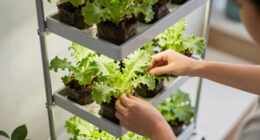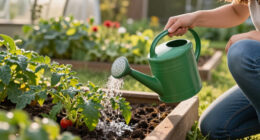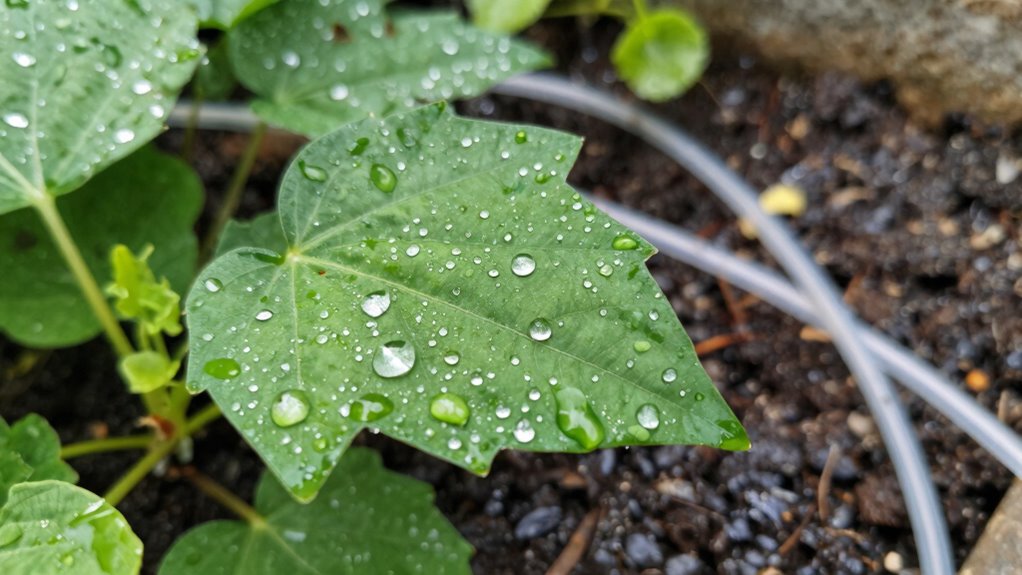

Switching to water-efficient fixtures might seem like a small change, but it can considerably cut water use throughout the season. Upgrading toilets, faucets, and showerheads reduces waste without losing performance. Coupled with mindful habits like turning off taps when not in use, this simple upgrade helps save gallons each day. Over time, these small adjustments add up, lowering bills and reducing your environmental impact. Keep exploring, and you’ll discover even more ways to make your water use smarter.

Get garden gear delivered free with Prime
- Fast, free delivery on millions of items
- Prime Video, Amazon Music and more included
- Member-only deals all year
Key Takeaways
- Small routine habits, like turning off taps when not in use, significantly conserve water year-round.
- Upgrading fixtures, such as toilets and showerheads, reduces water waste consistently across seasons.
- Fixing leaks promptly prevents hidden water loss that accumulates over time.
- Shortening showers by a minute saves gallons daily without sacrificing comfort.
- Engaging household members in mindful water use amplifies the seasonal impact of small changes.
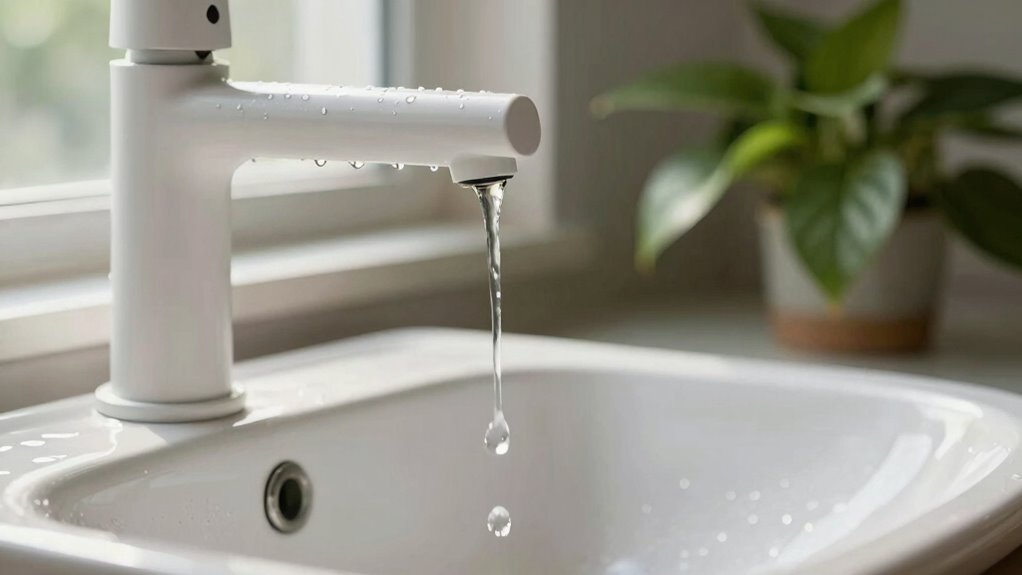
Have you ever considered how small changes in your daily routine can make a big difference in conserving water? Sometimes, it’s the little adjustments that add up over time, especially when it comes to saving this precious resource. One simple but impactful change is addressing inefficient fixtures around your home. Old toilets, leaky faucets, or outdated showerheads can waste gallons of water without you even realizing it. Replacing these with modern, water-efficient models can considerably cut your water usage. These fixtures, designed with water conservation in mind, use less water per flush or shower without sacrificing performance. It’s a straightforward upgrade that pays off in the long run, both environmentally and financially.
Small changes like upgrading fixtures can significantly reduce water use and save money over time.
Implementing water conservation tips doesn’t have to be complicated or expensive. Start by inspecting your fixtures regularly for leaks—they’re often hidden in plain sight but drain your water supply and increase your utility bills. A small drip from a faucet or toilet can waste hundreds of gallons annually. Fixing these leaks promptly is one of the easiest and most cost-effective water-saving strategies you can adopt. Additionally, consider installing aerators on your faucets. These devices mix air with water, reducing flow without decreasing pressure, and are a quick fix to improve efficiency. Water conservation efforts are most effective when combined with mindful usage habits. Recognizing the importance of efficient fixtures and making these upgrades can significantly enhance your water conservation efforts as well.
Another key water conservation tip involves changing your habits. Turn off the tap while brushing your teeth or washing dishes. It might seem minor, but these small actions add up, especially when practiced consistently. When you’re washing your hands or rinsing vegetables, use a basin or fill the sink instead of letting the water run freely. This simple shift in routine can save hundreds of gallons each month.
Your shower routine also offers room for improvement. Lowering your showerhead to a water-efficient model is a simple upgrade that makes a noticeable difference. Shortening your showers by just a minute or two can save gallons of water daily. If everyone in your household commits to these small adjustments, the collective impact is substantial. Recognizing the importance of water-efficient fixtures and making these upgrades can significantly enhance your water conservation efforts. Engaging everyone in your household and educating them about these small but impactful changes can amplify their benefits.
In essence, the water-saving change that feels small—upgrading inefficient fixtures and adopting water conservation tips—can have a lasting effect all season. It’s about making mindful choices and small upgrades that add up over time. These simple steps help reduce your water footprint, lower your bills, and contribute to a healthier environment. The best part? They require minimal effort but deliver considerable results, proving that sometimes, the smallest changes truly matter most.
As an affiliate, we earn on qualifying purchases.
Frequently Asked Questions
How Much Water Can I Save With This Change Annually?
You can save about 30,000 gallons of water annually with this small change. By adjusting your outdoor design and prioritizing drought-tolerant plants, you reduce the need for frequent watering. This not only conserves water but also maintains your garden aesthetics. Over time, these small tweaks in your outdoor design have a big impact, helping you save water all season long while keeping your landscape vibrant and healthy.
Does This Change Affect Plant Health or Irrigation?
You won’t rock the boat when you make this change; it actually benefits plant health. By maintaining proper soil moisture, you help plants absorb essential plant nutrients more efficiently. This adjustment prevents overwatering or underwatering, keeping your irrigation balanced. As a result, your plants stay healthy, thriving through the season. Rest assured, this small tweak supports overall plant robustness without compromising their growth or nutrient uptake.
Is This Water-Saving Method Suitable for All Climates?
This water-saving method isn’t suitable for all climates, as its regional effectiveness depends on climate adaptability. In areas with high humidity or frequent rainfall, it might not make much difference, but in arid or drought-prone regions, it can markedly reduce water use. You should consider your local climate before applying this change, ensuring it aligns with regional conditions for the best results and maximum water conservation.
What Equipment or Tools Are Needed to Implement This Change?
You only need a few tools to implement this change effectively. A reliable watering schedule is essential, so consider using a timer or smart irrigation system to automate it. A soil moisture meter helps you monitor ground conditions, ensuring you don’t over or underwater. These tools make it easy to maintain ideal soil moisture while conserving water. Small investments, like a timer, can greatly impact your water savings efforts.
Can This Change Be Combined With Other Water Conservation Efforts?
Yes, you can combine rain collection and greywater reuse with other water conservation efforts. Setting up rain barrels helps gather rainwater for outdoor use, while greywater systems recycle water from sinks and showers for landscape irrigation. These strategies, when used together, greatly reduce your water consumption. Incorporate low-flow fixtures and drought-tolerant plants to maximize savings, creating an all-encompassing approach that benefits your water bill and the environment all season long.
Conclusion
By embracing this small, simple switch, you’re making a mighty move towards mindful water management. Every drop you save, every effort you make, matters more than you might imagine. Your conscious commitment creates a cascade of change, cultivating conservation and caring for the climate. So, start small, stay steady, and see how such a subtle shift sparks a significant, sustainable season of saving. Together, these tiny tweaks turn tides toward a healthier, happier planet.
Halloween Picks
halloween
As an affiliate, we earn on qualifying purchases.