TL;DR

Get garden gear delivered free with Prime
- Fast, free delivery on millions of items
- Prime Video, Amazon Music and more included
- Member-only deals all year
Spekboom in Mpumalanga has seen a notable surge in global media coverage, with 26 mentions in recent reports—26 times higher than usual. The reason for this spike is currently unconfirmed, but it indicates growing international attention on the plant and region.
Spekboom in Mpumalanga, South Africa, has experienced a dramatic surge in global media coverage, with 26 mentions recorded in the latest reporting window—26 times more than the usual baseline, according to the GDELT database. The cause of this spike remains unconfirmed, but it signals increasing international interest in the plant and the region, which could have implications for environmental, tourism, and conservation discussions.
The recent surge in mentions was identified through the GDELT database, which tracks global media coverage. The 26 mentions represent a significant jump from typical levels, which are generally very low or negligible. It is not yet clear what specific event, report, or development triggered this spike, as no official statements or media campaigns have been linked to the increase.
Spekboom, a plant native to South Africa, particularly in Mpumalanga, is often highlighted for its ecological benefits, including carbon sequestration and its role in sustainable agriculture. The plant’s rising profile could be related to increased environmental focus, conservation efforts, or regional developments, but these are currently only speculations.
Experts and regional officials have noted the coverage spike but emphasize that the cause remains unconfirmed. Analysts suggest that the interest may be driven by environmental groups, media outlets, or international organizations highlighting the plant’s ecological significance or regional initiatives, but no definitive source has been identified.
Implications of the Global Media Surge on Spekboom Awareness
The sharp increase in global coverage of Spekboom in Mpumalanga could elevate international awareness of the plant’s ecological and economic importance. This heightened attention might influence conservation policies, attract eco-tourism, or support sustainable agriculture initiatives in the region. It also underscores growing global interest in plant-based solutions to climate change, with Spekboom often cited as a natural carbon sink.
However, the lack of specific details about what caused the coverage spike means the actual impact remains uncertain. If the surge is tied to a particular event or campaign, it could lead to increased funding or policy focus. Conversely, if it is a transient media trend, the long-term effects may be limited.
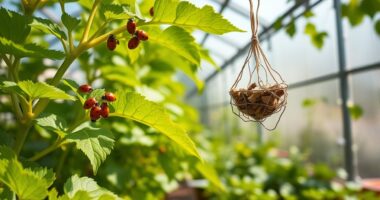
Spekboom plant for environmental sustainability
As an affiliate, we earn on qualifying purchases.
As an affiliate, we earn on qualifying purchases.
Recent Trends in Media Coverage of South African Eco-initiatives
Over the past few years, South Africa has gained international attention for its innovative environmental projects, including the promotion of native plants like Spekboom for climate mitigation. The plant has been featured in various environmental reports and sustainability initiatives, often praised for its ability to absorb carbon dioxide efficiently.
The current spike in mentions is unlinked to any confirmed new policy, event, or announcement, and appears to be a sudden anomaly. Historically, media coverage of Spekboom has been sporadic, mainly confined to environmental circles or regional tourism promotion. The recent data suggests a shift toward broader international interest, but the underlying cause remains to be clarified.
Regional authorities and environmental groups have not issued statements explaining the surge, and no major international campaigns have been publicly identified as the trigger. The trend appears to be driven by unconfirmed media or social media activity, which has yet to be substantiated by specific reports or events.
Unconfirmed Causes Behind the Media Coverage Spike
It is not yet clear what specific event, report, or campaign triggered the surge in mentions of Spekboom in Mpumalanga. The increase appears to be an anomaly, with no official statements or media campaigns directly linked to it. Analysts emphasize that the cause remains unconfirmed, and the spike could be due to social media activity, a viral report, or coincidental media interest.
Further investigation is needed to determine whether this trend will sustain or fade, and whether it signifies a broader shift in international focus on South African ecological initiatives.
Monitoring Media Trends and Regional Responses
Researchers and regional officials will likely monitor media coverage and social media activity to identify potential causes of the spike. Follow-up reports or official statements could clarify whether this is part of a larger campaign or a transient media phenomenon.
In the coming weeks, stakeholders may also assess whether the increased attention leads to tangible benefits, such as funding, policy support, or tourism growth. Experts suggest that sustained coverage could help position Spekboom as a global symbol of sustainable agriculture and climate mitigation.
Key Questions
What is Spekboom and why is it important?
Spekboom is a native South African plant known for its high capacity to absorb carbon dioxide, making it significant for climate change mitigation. It also has ecological and economic benefits, particularly in the Mpumalanga region.
Why has media coverage of Spekboom suddenly increased?
The exact cause of the surge in mentions is currently unconfirmed. It may be related to environmental campaigns, social media activity, or regional developments, but no specific event has been publicly identified.
Could this media spike lead to real-world benefits?
If the coverage sustains and is linked to meaningful initiatives, it could attract funding, promote eco-tourism, or influence policy. However, the current uncertainty means the long-term impact remains unknown.
Is this trend likely to continue?
It is too early to predict whether the spike in media mentions will persist. Monitoring ongoing media activity and official communications will clarify whether this is a temporary trend or part of a larger movement.
Source: gdelt
Fall yard work Picks
leaf blowers
As an affiliate, we earn on qualifying purchases.