
TL;DR

Get garden gear delivered free with Prime
- Fast, free delivery on millions of items
- Prime Video, Amazon Music and more included
- Member-only deals all year
Homeowners and gardeners are increasingly replacing traditional floodlights with solar-powered lamps. This shift is driven by the desire for softer, more ambient outdoor lighting, with benefits like lower costs and flexibility. The trend is gaining momentum but still faces some limitations related to light intensity and battery life.
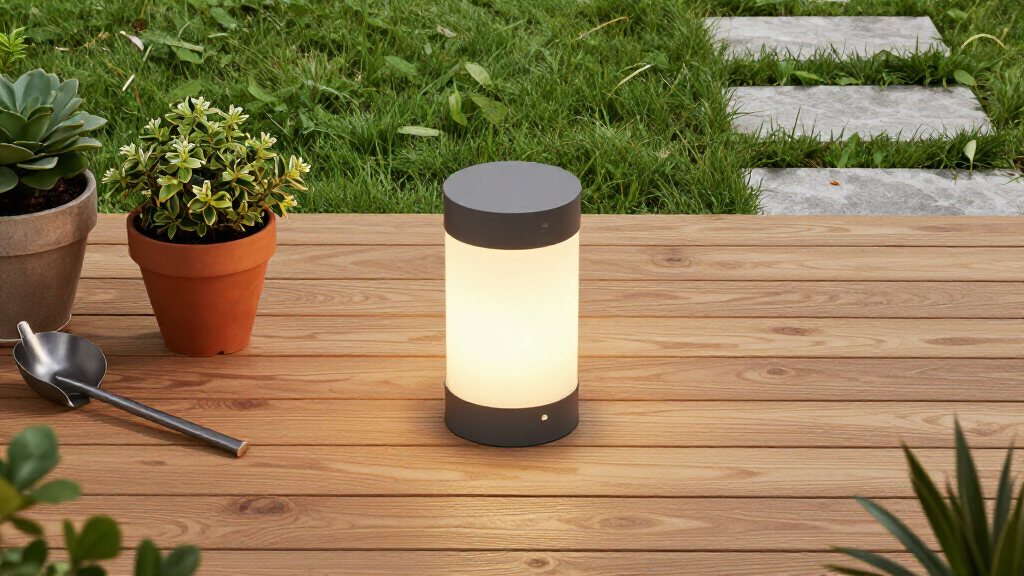
Homeowners and gardeners are increasingly replacing traditional floodlights with solar-powered lamps to create a softer, more inviting outdoor ambiance. This shift is driven by the desire for aesthetically pleasing, energy-efficient lighting that enhances outdoor spaces without the harsh glare of floodlights, making it a notable trend in outdoor design for 2024.
Many garden professionals and homeowners favor solar-powered lighting because it offers a cost-effective, flexible alternative to traditional floodlights, which are often large, anchored, and produce intense illumination. Experts note that the longer daylight hours in summer allow solar lamps to charge fully, providing better performance during the evening. The trend is also fueled by the aesthetic appeal of warm, subtle lighting that creates a cozy atmosphere, contrasting with the harshness of floodlights.
While solar lamps are praised for their ease of installation, low maintenance, and decorative options, they are limited by their dependence on sunlight and battery lifespan. Some experts highlight that in shady areas or during cloudy days, solar lights may not provide sufficient illumination, and batteries typically last only a few years before needing replacement. Despite these drawbacks, many see solar lamps as a valuable addition to outdoor spaces, especially when placed in optimal sunlight.
Why This Trend Matters for Outdoor Spaces
This shift impacts outdoor design by encouraging a move away from harsh floodlights toward more ambient, energy-efficient lighting. It reflects broader consumer preferences for sustainable, low-cost solutions that enhance aesthetic appeal. For homeowners, this means a more inviting atmosphere for evening gatherings and greater flexibility in outdoor space management. The trend could influence industry standards, pushing manufacturers to develop more effective solar lighting options with improved brightness and battery longevity.
As an affiliate, we earn on qualifying purchases.
Growing Popularity of Solar Lighting in Gardens
Over recent years, solar-powered outdoor lighting has gained popularity due to technological improvements and increased environmental awareness. Garden designers and homeowners have favored solar lamps for their ease of use and decorative versatility. The trend has accelerated during 2023 and into 2024, with many opting to replace traditional floodlights that often produce a harsh glare and consume more energy. The summer months, with longer days and abundant sunlight, have particularly favored this shift, making solar lamps a practical and aesthetic choice for outdoor lighting.
“Garden professionals are seeing a clear preference for solar lamps over floodlights, especially during summer when they can fully charge and perform well.”
— an anonymous researcher
Remaining Questions About Solar Lighting Effectiveness
It is still unclear how solar lamps will perform in less sunny seasons or shaded areas, and whether technological advances will address current limitations related to brightness and battery longevity. Industry experts note that some models may not provide sufficient light for larger or darker outdoor spaces, and battery replacement remains a recurring concern. The long-term impact of this trend on outdoor lighting standards is still developing.
Future Developments in Solar Outdoor Lighting
Manufacturers are likely to focus on improving solar lamp brightness, battery lifespan, and weather resistance. Consumers may see more innovative designs that combine aesthetic appeal with higher functionality. Industry trends suggest a gradual decline in reliance on harsh floodlights as solar options become more capable, potentially leading to broader adoption in residential and commercial outdoor spaces. Monitoring product innovations and consumer preferences over the coming year will clarify how widespread this shift becomes.
Key Questions
Will solar-powered outdoor lamps fully replace floodlights?
It is unlikely that solar lamps will completely replace floodlights in the near term, especially for security or large-scale lighting needs. However, they are increasingly favored for aesthetic and ambient lighting in residential gardens and yards.
Are solar lamps suitable for all outdoor spaces?
Solar lamps perform best in areas with ample sunlight and minimal shading. For shaded or cloudy locations, additional lighting sources may be necessary.
How long do solar light batteries typically last?
Batteries in solar lamps usually last around two to five years, depending on quality and usage. Replacement is generally straightforward but adds to maintenance considerations.
What are the main advantages of solar outdoor lighting?
Solar lighting offers low operating costs, easy installation, flexibility in placement, and a warm, inviting glow that enhances outdoor aesthetics.
Will the trend impact outdoor lighting industry standards?
As solar technology advances, industry standards may shift to prioritize higher brightness, durability, and longer-lasting batteries, influencing future product offerings.
Source: rss
Fall yard work Picks
leaf blowers
As an affiliate, we earn on qualifying purchases.