
China's 1+N Policy Framework is a bold strategy aimed at peaking carbon emissions before 2030. It sets clear emission reduction targets, promotes renewable energy development, and encourages electric vehicle adoption. This comprehensive approach emphasizes a shift from fossil fuels and enhances energy security. With initiatives like an expanded emissions trading system and a focus on a circular economy, China is paving the way for significant changes in its environmental impact. There's more to uncover about these ambitious goals.

Get garden gear delivered free — and shop member deals
- Fast, free delivery on millions of items
- Access to Prime Big Deal Days deals on October 6–7
- Prime Video, Amazon Music and more included
Key Takeaways
- The 1+N Policy Framework aims to peak carbon emissions before 2030, driving significant emissions reduction initiatives.
- China targets a 65% reduction in CO2 emissions per GDP unit by 2030, compared to 2005 levels.
- Non-fossil fuel sources are projected to make up 25% of primary energy consumption by 2030, supporting cleaner energy transitions.
- The framework emphasizes renewable energy development, targeting 1,200 gigawatts of installed wind and solar power by 2030.
- Electric vehicle sales are expected to reach 20% of new car sales by 2025, significantly reducing transportation-related emissions.
As China confronts the urgent challenge of climate change, its 1+N Policy Framework for carbon emissions stands out as a strategic initiative aimed at significant environmental reform. Launched by the National Development and Reform Commission in 2021, this framework consists of one overarching policy document and multiple action plans, each tailored to various sectors.
By setting ambitious goals to peak carbon emissions before 2030 and achieve carbon neutrality by 2060, you can see the urgency behind this comprehensive approach.
The guidance document, released on October 24, 2021, lays down the principles for this climate strategy, while the action plan, unveiled shortly after, outlines specific measures to achieve these targets. You'll notice that the framework emphasizes reducing CO2 emissions per unit of GDP by over 65% compared to 2005 levels by 2030.
It also aims for non-fossil fuels to comprise around 25% of primary energy consumption by that year, alongside increasing forest stock volume by 6 billion cubic meters. Notably, China is currently the world's largest contributor to global growth in gas demand, indicating a significant shift in energy consumption patterns.
One of the standout features of the 1+N framework is its focus on renewable energy developments. By aiming for at least 1,200 gigawatts of installed wind and solar power by 2030, the shift from fossil fuels to renewable sources becomes a pivotal strategy for reducing carbon emissions.
Furthermore, electric vehicle adoption is set to rise, with a target of 20% of new car sales being electric by 2025.
To enhance the effectiveness of this initiative, China is also strengthening its National Emissions Trading System, expanding its coverage, and incorporating carbon sink trading.
You'll find that the framework encourages a circular economy and improved energy efficiency across various sectors, fostering a collaborative approach among government ministries.
As an affiliate, we earn on qualifying purchases.
Frequently Asked Questions
How Does the 1+N Policy Impact China's Economy?
The 1+N policy significantly impacts China's economy by promoting innovative and green development.
You'll notice a shift towards sustainable industries, reducing reliance on high-carbon sectors. As investments in renewables like solar and wind grow, job opportunities increase.
The expansion of the national carbon market encourages efficient emissions management, while energy efficiency measures lower costs.
What Industries Are Most Affected by the 1+N Policy?
Did you know that the steel industry alone accounts for around 15% of global carbon emissions?
Under the 1+N policy, industries like energy and utilities, manufacturing, and transport are deeply affected.
You'll see a significant push for renewable energy, electrification, and green building practices.
As coal usage declines, electric vehicles will rise, transforming how you interact with your environment and creating a more sustainable future for everyone.
How Will the Policy Be Enforced at Local Levels?
Local enforcement of carbon peaking plans involves several steps.
You'll see local governments created specific strategies tailored to their regions. The National Development and Reform Commission oversees these efforts, ensuring compliance and coordination among sectors.
Regular assessments will track progress and adjust plans as needed. Additionally, public awareness campaigns will educate citizens about green practices, fostering community support for emissions reduction goals.
This collaborative approach aims for effective implementation at all levels.
What Role Do International Partnerships Play in This Framework?
Imagine a team of chefs collaborating to whip up a delectable dish. That's what international partnerships do for climate action.
They bring together diverse expertise and resources, allowing you to tackle climate challenges more effectively. Through joint research initiatives and technology sharing, you can innovate and implement solutions.
These partnerships also pave the way for coordinated policies, ensuring your efforts resonate globally and amplify the impact of local actions on climate change.
How Does Public Opinion Influence the 1+N Policy Implementation?
Public opinion significantly influences policy implementation by shaping the priorities and strategies that governments adopt.
When you engage with environmental issues, your voice helps raise awareness and can lead to more effective policies. Policymakers often rely on feedback from surveys and public discussions to refine their approaches.
Conclusion
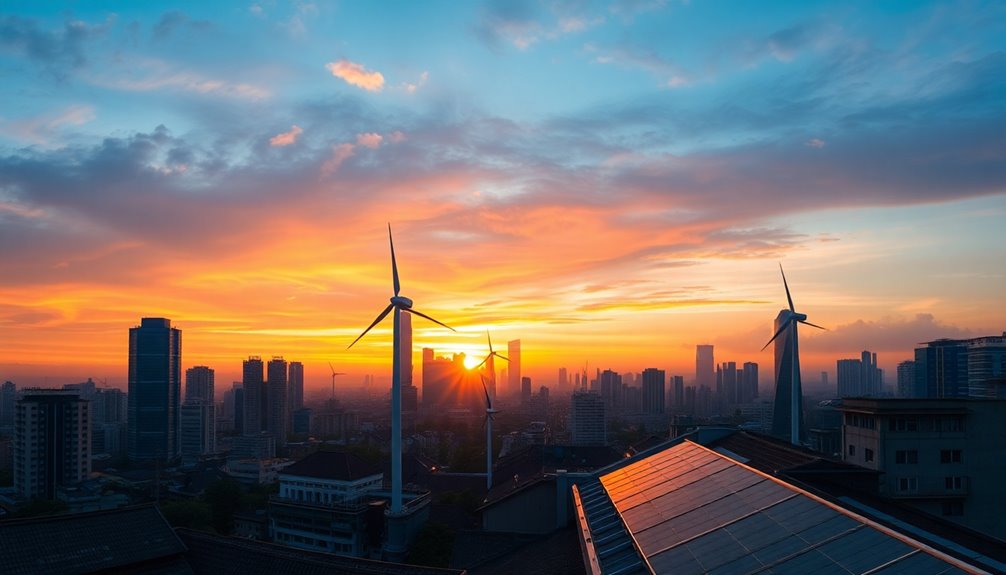
In China's 1+N policy framework, you see a bold commitment to peak carbon emissions while balancing economic growth. Picture a bustling city, where skyscrapers rise alongside green parks—this duality represents a future where sustainability thrives amidst development. As the nation navigates this path, it's not just about limiting emissions but fostering innovation and resilience. With each step forward, China's vision becomes clearer, showing that environmental responsibility and economic vitality can indeed coexist harmoniously.
Fall Picks
fall essentials
As an affiliate, we earn on qualifying purchases.