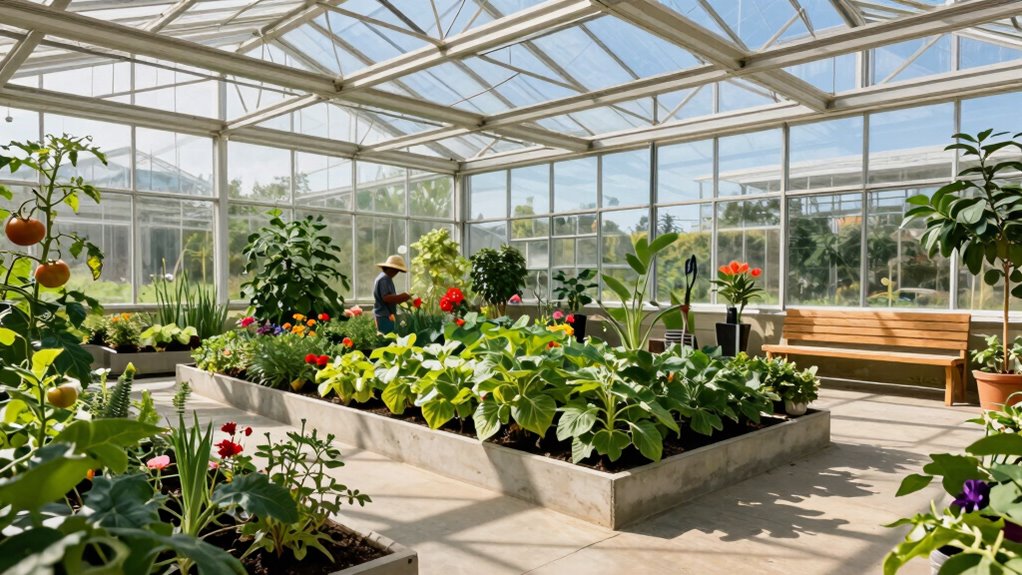
To turn a big greenhouse purchase into a long-term win, prioritize sustainable practices like composting, rainwater harvesting, and energy-efficient systems to cut costs and support environmental health. Use integrated pest management and biodiversity principles to maintain healthy crops naturally. Organize your space efficiently and incorporate automation for resource optimization. Invest in staff training to keep your team skilled and proactive. By continuously analyzing data and refining strategies, you’ll build resilience and profitability, revealing lasting success—keep exploring how to maximize your greenhouse’s potential.
Key Takeaways
- Invest in energy-efficient systems and sustainable materials to reduce long-term operational costs and environmental impact.
- Incorporate automation for watering, ventilation, and lighting to optimize resource use and increase productivity.
- Implement integrated pest management and biodiversity principles to maintain healthy crops and reduce chemical reliance.
- Provide ongoing staff training on sustainable practices and pest control to ensure consistent, eco-friendly operations.
- Use data tracking to monitor performance, refine practices, and adapt to environmental changes for continuous improvement.
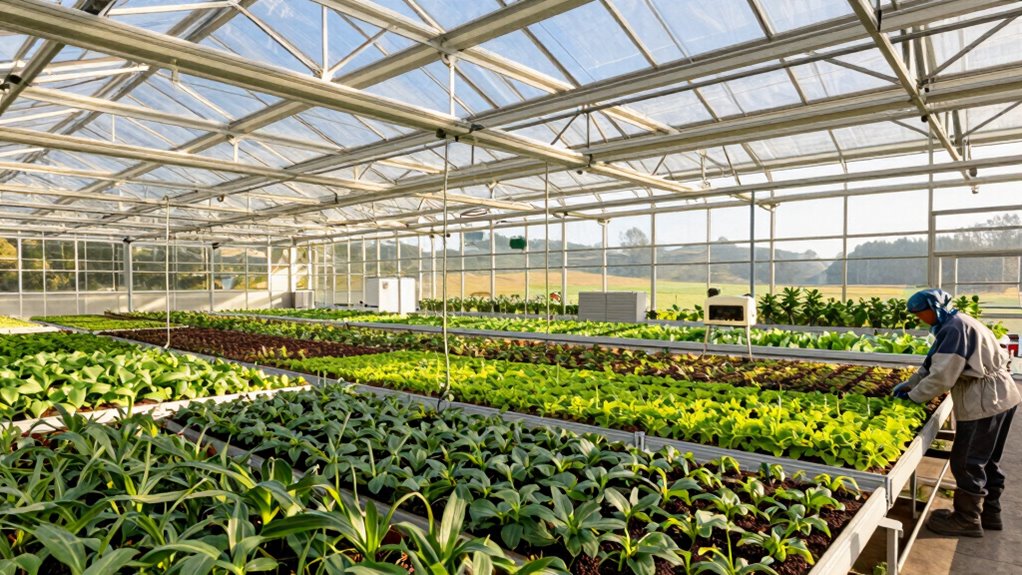
Investing in a large greenhouse is a significant decision that can pay off richly when approached with a strategic mindset. To turn this investment into a long-term win, you need to focus on sustainable practices that not only support the environment but also boost your productivity and reduce costs over time. Incorporating eco-friendly methods, like composting, rainwater harvesting, and energy-efficient heating and cooling, can create a more resilient operation. These practices help you maintain healthier plants, reduce your carbon footprint, and lower operational expenses, all of which contribute to your greenhouse’s long-term profitability.
Equally important is establishing effective pest management strategies that minimize chemical use while safeguarding your crops. Instead of relying solely on pesticides, consider integrated pest management (IPM), which combines biological controls, crop rotation, and physical barriers. Beneficial insects, such as ladybugs or predatory mites, can naturally control pest populations without harming your plants or the environment. Regular monitoring is essential; by catching pest issues early, you prevent infestations from escalating and causing significant damage. This proactive approach not only saves money but also maintains the quality of your harvest, helping you build a reputation for sustainable, high-quality produce.
Your greenhouse’s design and layout should support these sustainable and pest management strategies. Select materials that promote energy efficiency and consider automation systems that optimize watering, ventilation, and lighting. Automated systems can reduce waste, save labor costs, and ensure that your plants receive consistent care, which is indispensable for long-term success. Additionally, organizing your space efficiently allows you to implement crop rotation and companion planting, naturally reducing pest risks and improving soil health. Incorporating biodiversity principles into your planning can further bolster ecosystem resilience and pest control. Developing a comprehensive integrated management plan ensures your practices remain adaptable and effective in the face of environmental changes. A well-designed layout that considers environmental impact can also enhance sustainability and operational efficiency.
Investing in staff training and education is another essential step. When you and your team understand sustainable practices and pest management techniques, you create a culture of responsibility and innovation. Regular workshops or courses can keep everyone updated on the latest methods, ensuring your greenhouse remains environmentally friendly and pest-free over time. Continual learning about sustainable practices and emerging pest control methods helps you stay ahead of potential challenges and adapt to evolving environmental conditions.
Finally, tracking and analyzing your operations helps you identify what works best. Use data to refine your practices continually, improve resource efficiency, and adapt to changing conditions. When you approach your big greenhouse as a dynamic, learning-driven enterprise, your initial investment transforms into a sustainable, profitable venture that thrives year after year.
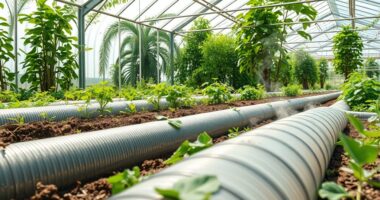
energy-efficient greenhouse heating system
As an affiliate, we earn on qualifying purchases.
As an affiliate, we earn on qualifying purchases.
Frequently Asked Questions
What Are the Best Financing Options for Large Greenhouse Purchases?
You should explore greenhouse loans and equipment leasing as top financing options. Greenhouse loans offer favorable terms and can help spread costs over time, making large purchases manageable. Equipment leasing allows you to use the greenhouse without immediate full payment, preserving cash flow. Both options give you flexibility, lower upfront costs, and help turn your big greenhouse investment into a long-term success.
How Can I Ensure My Greenhouse Remains Energy-Efficient Over Time?
Did you know that proper insulation can reduce greenhouse energy costs by up to 40%? To keep your greenhouse energy-efficient, focus on insulation strategies like sealing gaps and using reflective materials. Pair this with effective ventilation systems to control humidity and temperature. Regular maintenance ensures these systems work at their best, saving you money and energy over time. Staying proactive with insulation and ventilation keeps your greenhouse eco-friendly and cost-effective long-term.
What Maintenance Schedule Is Recommended for a Large Greenhouse?
You should create a regular maintenance schedule that includes weekly inspections for plant propagation and pest management. Check ventilation systems, clean glass or plastic panels, and monitor humidity levels to prevent mold and disease. Schedule monthly pest control treatments and prune overgrown plants. Keep an eye on irrigation systems, ensuring they’re functioning correctly. Consistent upkeep helps your greenhouse stay energy-efficient and productive, safeguarding your investment long-term.
How Do I Choose the Right Location for My Greenhouse?
Choosing the right location for your greenhouse is like planting the seed for success. You want a spot with plenty of sun, ideally 6-8 hours daily, and good air circulation to help with pest control. Avoid low-lying areas prone to frost or flooding. Consider your plant selection’s needs, guaranteeing easy access for maintenance. A strategic location ensures healthy growth, reduces pest issues, and turns your greenhouse into a thriving oasis.
Are There Grants or Subsidies Available for Greenhouse Investments?
Yes, there are grant programs and subsidy options available for greenhouse investments. You can research government agencies, local agriculture departments, or environmental organizations that offer funding support. Applying for these grants can substantially reduce your upfront costs and boost your project’s sustainability. Make sure to check eligibility criteria and application deadlines carefully. Taking advantage of these financial resources helps turn your greenhouse purchase into a smart, long-term investment.
Conclusion
By choosing wisely and planning ahead, your greenhouse investment can grow into a thriving garden of long-term success. Think of it as planting a seed today that will blossom for years to come. With patience, smart maintenance, and a focus on sustainability, you’ll turn this big purchase into a harvest of rewards—making your gardening dreams not just a fleeting bloom but a perennial wonder. Keep nurturing it, and watch your green thumb flourish.