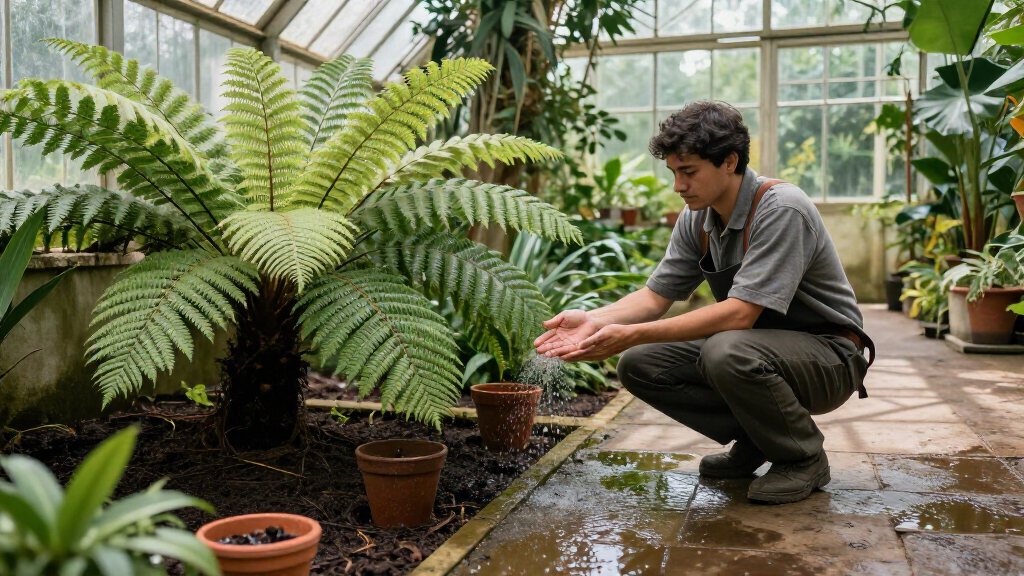

Choosing among the best tree ferns comes down to where you plan to grow one and how closely you can manage its moisture and temperature. I rank the Australian Tree Fern first for its fast growth and bold outdoor presence, the Silver Lady as the most flexible choice for indoor or sheltered growing, and the Tasmanian Tree Fern for shoppers drawn to Dicksonia antarctica who are willing to confirm care details before buying. The main tradeoff is scale versus control: the Australian option is listed at a much larger potential height, while the Silver Lady arrives in a six-inch pot and is easier to place in a container or indoor setting.

Get garden gear delivered free with Prime
- Fast, free delivery on millions of items
- Prime Video, Amazon Music and more included
- Member-only deals all year
These are not interchangeable ferns. Frost exposure, available space, humidity, and the amount of watering you can provide matter more than a broad label such as “tree fern.” I compare the three by how clearly their listings explain growing needs, the settings they suit, and the practical risks a buyer should weigh.
Complete the kit


Key Takeaways
- Best outdoor focal point: The Australian Tree Fern is the clearest choice for a warm, sheltered garden or patio where rapid growth and a potential height of 20 feet fit the plan.
- Best indoor and container option: Silver Lady comes in a six-inch grower pot and is described for indoor use, though it still needs warmth, humidity, and protection from harsh sun.
- Most information-limited pick: Tasmanian Tree Fern offers the distinctive Dicksonia antarctica species, but its listing gives little detail beyond the plant identity and a hardiness-zone claim.
- Water needs differ: Australian Tree Fern calls for regular watering, while Silver Lady is described as needing moderate watering and evenly moist soil.
- Cold protection is a shared concern: The Australian and Silver Lady descriptions explicitly warn about frost or cold; I would verify local suitability rather than relying on a zone number alone.
| Australian Tree Fern (Sphaeropteris cooperi), Live Outdoor Plant |  | Best Overall for a Warm, Sheltered Outdoor Focal Point | Scientific name: Sphaeropteris cooperi | Intended use: Outdoor | Growth rate: Fast | VIEW LATEST PRICE | See Our Full Breakdown |
| Silver Lady Tree Fern Live Plant in 6-Inch Grower Pot |  | Best for Indoor and Container Growing | Scientific name: Blechnum gibbum ‘Silver Lady’ | Plant type: Evergreen tree fern | Pot size: 6-inch grower pot | VIEW LATEST PRICE | See Our Full Breakdown |
| Tasmanian Tree Fern (Dicksonia antarctica), Live Plant |  | Best for Buyers Seeking Dicksonia antarctica | Plant: Tasmanian Tree Fern | Scientific name: Dicksonia antarctica | Quantity: One live plant | VIEW LATEST PRICE | See Our Full Breakdown |
| tree fern | Scientific name | Light guidance |
|---|---|---|
| Australian Tree Fern | Sphaeropteris cooperi | Full sun listed; description recommends filtered light |
| Silver Lady Tree Fern Live Pla | Blechnum gibbum ‘Silver Lady’ | Full sun listed; description recommends dappled shade and protection from harsh afternoon sun |
| Tasmanian Tree Fern | Dicksonia antarctica | — |
More Details on Our Top Picks
Australian Tree Fern (Sphaeropteris cooperi), Live Outdoor Plant
The Australian Tree Fern takes the top spot because this listing gives the clearest picture of a plant intended to make a substantial outdoor statement. It identifies Sphaeropteris cooperi, describes a fast growth rate, and lists a potential height of 20 feet. That combination makes it a stronger landscape centerpiece candidate than the potted Silver Lady, which is presented as a more manageable indoor or shaded-garden option.
Its appeal depends on the site. The description recommends warm conditions, filtered light, moist well-drained soil, and frost protection; the specifications separately list full sun. Because those directions do not line up cleanly, I would plan around filtered or sheltered light and ask the seller for clarification about sun exposure before placing it in a bright, exposed spot. It also calls for regular watering, so this is not the pick for a garden that dries out between visits.
The USDA-inspected-and-certified detail is useful information about the plant’s stated inspection status, but it does not remove the need to check local growing conditions or protect a frost-tender fern. Compared with the Tasmanian Tree Fern listing, this product supplies more detail about growth, planting season, soil, and watering. It is my best overall choice for buyers with room to grow a tall specimen and a mild, protected site—not for someone seeking a compact, low-attention houseplant.
Pros:- Fast growth and a listed potential height of 20 feet suit a prominent garden feature.
- The description gives useful guidance on filtered light, moist soil, warmth, and frost protection.
- Intended for outdoor patios and shaded gardens.
- Arrives described as USDA inspected and certified.
Cons:- Regular moisture and frost protection add ongoing care demands.
- The full-sun specification conflicts with the description’s filtered-light guidance.
- Its potential size makes it unsuitable for many small patios and indoor spaces.
Best for: Gardeners with a warm, sheltered outdoor site who want a fast-growing, tall tropical focal point and can water regularly.
Not ideal for: Buyers in frost-prone areas without winter protection, small-space growers, or anyone who needs an unambiguous full-sun planting recommendation.
- Scientific name:Sphaeropteris cooperi
- Intended use:Outdoor
- Growth rate:Fast
- Listed potential height:20 feet
- Light guidance:Full sun listed; description recommends filtered light
- Soil and moisture:Peat soil; regular watering; moist, well-drained soil recommended
- Planting period:Spring
- Plant status:One plant; described as USDA inspected and certified
Our verdict“I rank this first for warm-climate outdoor growers who want the largest stated presence and can provide shelter, water, and room.”
Silver Lady Tree Fern Live Plant in 6-Inch Grower Pot
Silver Lady is the most adaptable pick in this group for buyers who want a tree-fern look without starting with a plant listed at 20 feet tall. It is supplied in a six-inch grower pot, described for indoor use, and can also suit a shaded garden or large container. Its finely cut bright-green fronds and slender trunk offer a distinctive appearance, while the smaller supplied pot gives the buyer more control over placement than the Australian Tree Fern listing does.
That manageable format should not be mistaken for low care. The plant description calls for warm, humid conditions, dappled shade, and evenly moist, well-drained soil. It also warns against frost and harsh afternoon sun. The specification field lists full sun, so the listing contains a care-direction mismatch similar to the Australian fern’s light guidance. I would favor the more detailed description’s sheltered-light advice and confirm the plant’s preferred exposure with the seller before choosing a site.
Compared with the Tasmanian Tree Fern, Silver Lady provides much more guidance about setting, pot size, and moisture. Compared with the Australian option, it is a better match for indoor or container growers, but its listing does not give a mature height or a hardiness zone. Choose it when warm indoor conditions or a protected, shaded outdoor spot are available; skip it if your space is cold, dry, or exposed to strong afternoon sun.
Pros:- A six-inch grower pot provides a defined starting size for placement and container planning.
- The listing identifies both indoor use and suitability for shaded gardens.
- Finely cut fronds and a slender trunk offer a different look from a broad, large-scale outdoor specimen.
- Care guidance specifies warmth, humidity, shade, and evenly moist, well-drained soil.
Cons:- Frost-tender and described as needing protection from cold.
- The full-sun specification conflicts with the description’s dappled-shade guidance.
- Warmth, humidity, and steady soil moisture may be difficult to maintain in some homes.
Best for: Indoor plant owners or container gardeners who can offer warmth, humidity, dappled light, and evenly moist soil.
Not ideal for: People seeking a cold-tolerant outdoor fern, a plant for harsh direct afternoon sun, or a low-humidity room with infrequent watering.
- Scientific name:Blechnum gibbum ‘Silver Lady’
- Plant type:Evergreen tree fern
- Pot size:6-inch grower pot
- Listed use:Indoor; description also mentions shaded gardens
- Light guidance:Full sun listed; description recommends dappled shade and protection from harsh afternoon sun
- Water and soil:Moderate watering; evenly moist, well-drained soil recommended
- Temperature guidance:Warm, humid conditions; protect from frost and cold
- Foliage:Bright green, finely cut fronds; green and silver color listing
Our verdict“I recommend Silver Lady for growers who need a more controllable indoor or container tree fern and can meet its warm, humid care needs.”
Tasmanian Tree Fern (Dicksonia antarctica), Live Plant
The Tasmanian Tree Fern earns a place for buyers specifically seeking Dicksonia antarctica, but it ranks third because the supplied listing gives far less to work with than the other two. It confirms a single live plant and green foliage, and it lists a USDA hardiness zone of 3. It does not provide the same practical detail on light, watering, soil, mature size, or planting conditions that appears in the Australian Tree Fern and Silver Lady listings.
That information gap matters for a plant purchase. The Australian option spells out regular watering, filtered light in its description, frost protection, and a stated potential height; Silver Lady identifies its six-inch pot and indoor use. By comparison, this Tasmanian listing leaves a buyer to confirm the plant’s actual size, arrival format, and care expectations before ordering. Its zone field is not enough by itself to conclude that it will suit a particular garden, especially when the listing offers no accompanying explanation of exposure or winter care.
I would choose it when species identity is the priority and the seller can answer questions about the plant being shipped and its growing requirements. It is not my default recommendation for a first-time tree-fern buyer who needs complete instructions. The limited listing detail is not proof that the plant itself is poor; it simply makes the purchase harder to evaluate than the better-documented alternatives here.
Pros:- Identifies the plant as the distinctive Tasmanian species Dicksonia antarctica.
- The listing states that one live plant is supplied.
- A USDA hardiness-zone field is provided for buyers to investigate further.
Cons:- The listing gives no clear light, soil, or watering instructions.
- No plant height or pot size is provided, making scale and arrival format difficult to judge.
- The zone 3 claim is not accompanied by care context or a stated method for handling cold.
Best for: Buyers specifically looking for a live Dicksonia antarctica who are comfortable confirming plant size and care details with the seller.
Not ideal for: First-time growers who need clear light, watering, soil, and winter-care guidance before choosing a tree fern.
- Plant:Tasmanian Tree Fern
- Scientific name:Dicksonia antarctica
- Quantity:One live plant
- Listed USDA hardiness zone:Zone 3
- Foliage color:Green
- Brand:segawe
- Pot size and plant height:Not stated in the supplied product details
- Light, soil, and watering:Not stated in the supplied product details
Our verdict“I would select this only when Dicksonia antarctica is the specific goal and the seller can fill the listing’s care and size gaps.”
How We Picked
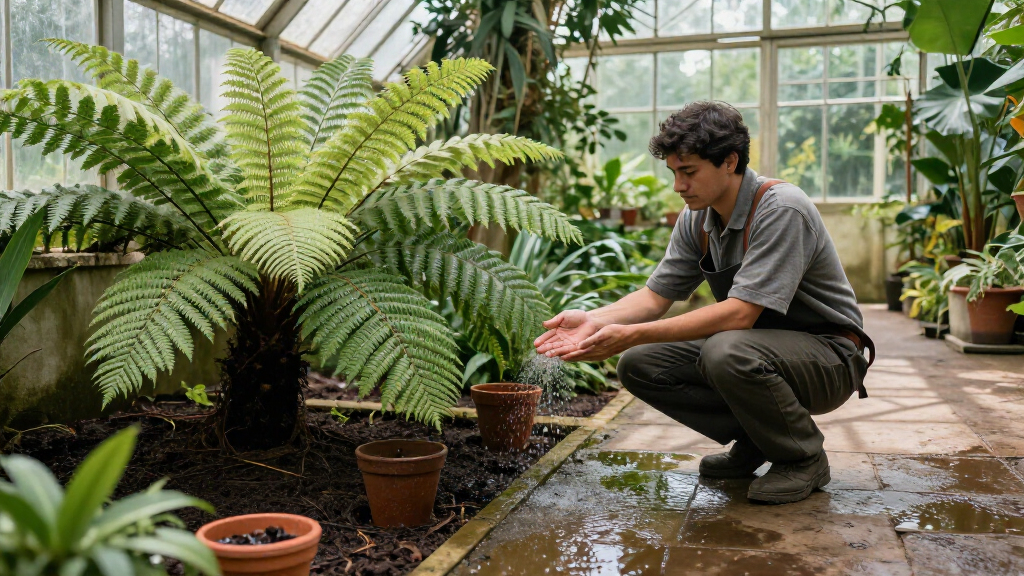
I ranked these plants for the practical decisions behind a tree-fern purchase: growing location, likely scale, care demands, and how much useful information the listing gives a buyer. A fern that suits a warm shaded garden is not automatically the best pick for an indoor grower, so I gave each plant a distinct role rather than treating similar tropical foliage as a single category.
Growing fit comes first. I compared the stated indoor or outdoor use, light guidance, moisture needs, and warnings about frost, heat, or harsh sun. Those details help indicate whether a plant could suit a patio, sheltered garden, or indoor space, though local climate and the conditions in a particular home still matter.
Scale and supplied format also affect the ranking. The Australian Tree Fern is listed with a potential height of 20 feet and a fast growth rate, which can make it an impressive focal point but a poor match for a small room. Silver Lady’s six-inch grower pot offers a more manageable starting format. The Tasmanian listing identifies a single live plant but provides fewer growing details, so I rank it behind options whose stated uses and care expectations are clearer.
I do not treat a hardiness-zone field or a broad sunlight label as a guarantee of success. Product information can be brief or internally inconsistent: the Australian listing mentions full sun in its specifications while recommending filtered light in its description, and Silver Lady’s sunlight field says full sun despite the care description advising dappled shade and avoiding harsh afternoon exposure. I flag those discrepancies rather than silently choosing one. The order reflects the balance of usable information and a distinct buyer fit—not a promise that any plant will thrive in every climate.
| tree fern | Scientific name | Light guidance |
|---|---|---|
| Australian Tree Fern | Sphaeropteris cooperi | Full sun listed; description recommends filtered light |
| Silver Lady Tree Fern Live Pla | Blechnum gibbum ‘Silver Lady’ | Full sun listed; description recommends dappled shade and protection from harsh afternoon sun |
| Tasmanian Tree Fern | Dicksonia antarctica | — |
Factors to Consider When Choosing Best Tree Ferns
I would choose a tree fern by matching its stated needs to the conditions I can actually provide, rather than by foliage alone. For this trio, the biggest differences are intended setting, listed scale, care information, and how much uncertainty remains after reading the product details.
Start with the growing location
The Australian Tree Fern is the strongest match for an outdoor focal point in a warm, protected garden or patio. Silver Lady is the more flexible pick if you want an indoor plant or a fern for a shaded garden container, but its warm and humid needs still apply indoors. The Tasmanian listing names its species without explaining its preferred setting, so I would ask the seller for placement advice before deciding. If the plant must live outdoors year-round, local winter conditions and frost exposure should weigh heavily in the choice.
Plan for mature size, not just arrival size
A listed potential height of 20 feet makes the Australian Tree Fern a major landscape commitment, not a small accent for every patio. Silver Lady arrives in a six-inch grower pot, which makes it easier to place at first, though the listing does not state its eventual height. The Tasmanian fern’s pot size and plant height are also missing from the supplied details. Before ordering either of those, ask what size plant will arrive and what dimensions to expect as it grows. Container size, overhead clearance, and room for fronds can change the right pick.
Read light guidance with care
Two listings have conflicting light information. The Australian fern’s specifications say full sun, while its description recommends filtered light. Silver Lady’s specification also says full sun, but its description recommends dappled shade and warns against harsh afternoon sun. I would not treat those fields as interchangeable instructions. Ask the seller to clarify the specific plant’s preferred exposure, and favor a sheltered position if the detailed care text stresses shade. A bright site with afternoon heat may not behave like gentle morning light.
Match watering demands to your routine
The Australian Tree Fern explicitly calls for regular watering and moist, well-drained soil. Silver Lady is described as needing moderate watering, with the soil kept evenly moist. Neither description makes these plants a natural fit for a grower who routinely lets pots or garden beds dry out. The Tasmanian listing provides no watering directions, which is another reason to ask questions before purchase. Good drainage still matters alongside moisture: keeping soil moist does not mean leaving roots in standing water.
Treat cold tolerance claims as one part of the decision
The Australian listing calls for frost protection, and Silver Lady is described as frost-tender and needing protection from cold. The Tasmanian listing gives a zone 3 field, but the supplied description does not explain how that claim relates to the plant’s specific exposure, size, or winter care. I would verify the seller’s guidance and compare it with the climate at the planting site. If winters bring frost, consider whether you can move a container indoors or provide a suitable protected space before choosing a tree fern.
Ask about shipping and the plant supplied
Live plants can differ in size and form, and these listings do not provide the same level of arrival detail. Silver Lady specifies a six-inch grower pot; the Tasmanian listing says one live plant but does not state its pot size or height; the Australian listing describes a plant but gives no shipping dimensions in the supplied details. I would confirm the plant’s approximate size, pot or root-ball format, and any acclimation instructions. That information helps you prepare a suitable container or planting spot before the fern arrives.
Choose by the care you can sustain
For a large outdoor feature with regular watering, the Australian fern is the clearest fit. For a smaller starting footprint and indoor or container placement, Silver Lady makes more sense if warmth and humidity are available. For a specific interest in Dicksonia antarctica, the Tasmanian fern may be appealing, but I would first get care details and a clearer description of the plant being sent. The best choice is the one whose size, location, and maintenance demands match your routine—not simply the one with the most dramatic name or foliage.
Frequently Asked Questions
Which of these tree ferns is best for indoor growing?
Silver Lady is the clearest indoor option because its listing specifically names indoor use and provides a six-inch grower pot. It still needs warm, humid conditions, evenly moist soil, and protection from harsh afternoon sun. I would not treat the full-sun specification as a simple placement instruction because the description advises dappled shade. The Australian fern is framed as an outdoor plant, while the Tasmanian listing does not specify an indoor setting.
Which tree fern is best for a large outdoor focal point?
The Australian Tree Fern is the strongest match for that purpose in this comparison. Its listing describes fast growth and a potential height of 20 feet, far more scale information than the other two provide. That size calls for room, a warm and sheltered site, regular watering, and frost protection. If your garden is small or exposed to cold, Silver Lady in a container may be easier to manage, though it also needs protection from frost.
Can I grow these ferns in full sun?
I would not rely on the full-sun fields alone. The Australian Tree Fern listing conflicts with itself, listing full sun in its specifications but recommending filtered light in the description. Silver Lady also has a full-sun specification while its description calls for dappled shade and protection from harsh afternoon sun. Before planting in a bright, exposed location, ask the seller to clarify the intended light conditions for the specific plant.
Which option is easiest for a first-time tree-fern buyer?
There is no clearly low-maintenance choice here, since the first two detailed descriptions call for moisture management and protection from cold. Silver Lady gives a manageable six-inch starting format and more explicit care guidance than the Tasmanian listing, making it easier to evaluate for a first purchase if you can provide warmth and humidity. The Australian fern has clearer outdoor care information but is listed as potentially reaching 20 feet. I would avoid choosing the Tasmanian option as a first fern until its seller clarifies light, soil, watering, and plant size.
Is the Tasmanian Tree Fern’s zone 3 listing enough to judge cold suitability?
No. The zone 3 field is useful information, but the supplied listing gives no explanation of winter exposure, planting conditions, or protection needs. I would ask the seller how the stated zone applies to the plant being sold and compare that guidance with local conditions before relying on it. The other two products explicitly mention frost or cold protection, so buyers should pay particular attention to winter care rather than assuming that a single zone label settles the question.
Conclusion
For a warm, sheltered garden with enough room for a tall specimen, I would choose the Australian Tree Fern; it has the strongest stated outdoor scale and the most complete landscape-care description. For an indoor grower or container gardener who can provide warmth, humidity, and dappled light, Silver Lady is the more manageable starting point. If you specifically want Dicksonia antarctica, the Tasmanian Tree Fern may suit your plans, but I would first confirm its size and care instructions because its listing leaves major growing questions unanswered. Across all three, match the plant to your site and watering routine, and clarify conflicting or missing care details before ordering.
Halloween Picks

Haunted Hill Farm 2-Ft. Zombie Raccoon Halloween Animatronic

Kalolary 11 ft Halloween Inflatable Archway Ghost House Tunnel

12-Foot Inflatable Pumpkin Halloween Archway with LED Lights
As an affiliate, we earn on qualifying purchases.