
TL;DR

Get garden gear delivered free with Prime
- Fast, free delivery on millions of items
- Prime Video, Amazon Music and more included
- Member-only deals all year
A Homes & Gardens report urges gardeners to check and clear drainage holes in potted plants before winter weather sets in. Blocked holes can leave soil waterlogged, increasing the risk of root damage, freezing and cracked pots; raising containers on pot feet and removing saucers can help water drain.
A Homes & Gardens report advises gardeners to check and clear the drainage holes in outdoor pots before winter weather worsens, warning that blocked outlets can leave soil saturated and expose both plants and containers to waterlogging and freeze damage. The report recommends clearing debris, removing saucers and raising pots so excess water can drain.
Drainage holes allow excess water to escape from containers. The report says they can become blocked by compacted soil, debris, roots, pests or mineral and salt deposits. Gardeners should inspect each pot, often by lifting or tilting it to view the base, and check that water can pass through the holes.
If an opening is obstructed, the report suggests gently pushing a chopstick or wooden skewer through it and twisting to dislodge debris. It also recommends removing plant saucers during winter, since a pot left sitting in collected water may remain wet or freeze at its base.
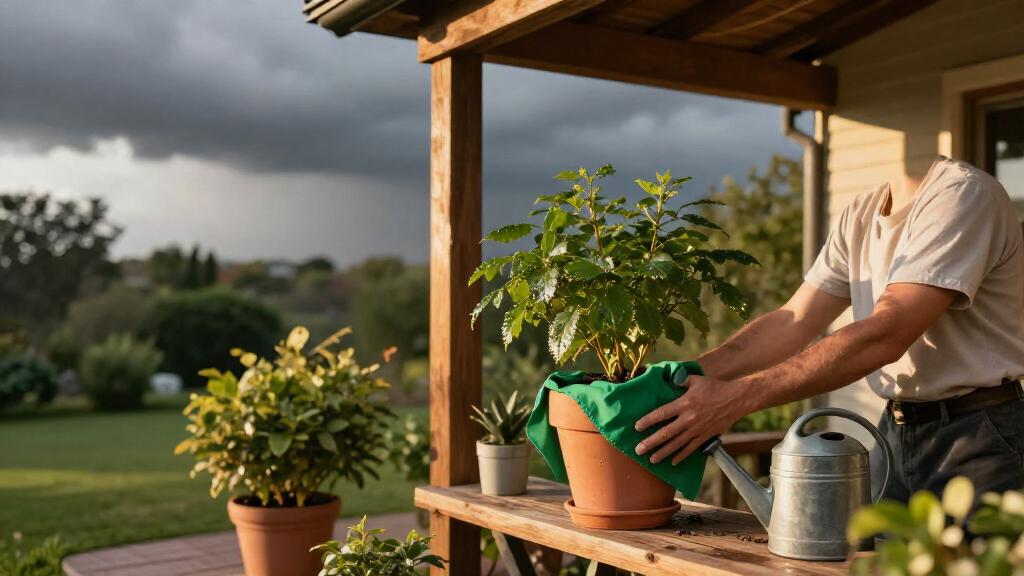
Containers should be raised on pot feet rather than placed directly on cold paving or concrete, which can obstruct drainage. The article also suggests grouping pots in a sheltered place, such as against a wall or under an overhang, and checking plants during winter for yellowing, wilting or mold at the soil surface.
How Blocked Pots Face Winter Damage
When soil becomes saturated, water fills the air spaces that roots need. The Homes & Gardens report says this can deprive roots of oxygen and lead to root rot and plant decline. It lists yellow foliage, wilting and dieback as possible visible signs, while affected roots may become black and soft and the soil may develop a sour smell.
Cold weather can compound the problem: moisture in saturated soil may freeze, leaving plants in containers exposed to prolonged frozen conditions. The report also warns that expanding frozen moisture can crack porous containers, including terracotta and clay pots. These are risks described in the source, not a guarantee that every blocked or wet pot will suffer damage.
The recommended inspection is a low-effort preventive step, but its value depends on the conditions at each site. Pots, soil, plant type and local weather vary, so clearing holes cannot by itself protect every plant from winter cold or excess rain.
Products Worth Considering

Orbit B-hyve XR Smart Indoor/Outdoor Sprinkler Controller, 16 Zones

Orbit B-hyve Smart Indoor/Outdoor 12-Zone Sprinkler Controller
Orbit B-hyve XR 8-Zone Indoor/Outdoor Smart Sprinkler Controller
As an affiliate, we earn on qualifying purchases.
Why Pots Need Clear Outlets
The advice focuses on a less visible winter hazard than frost itself: water that cannot escape from the bottom of a container. The report notes that not every planter sold has drainage holes and says containers should be checked before planting. It mentions drilling holes as one option for suitable planters, but gives no detailed instructions for different materials.
Even pots that drain when first used may develop blockages over time. The article links winter checks to the added risk of wet weather and freezing, and says container-grown plants are more exposed to frost than plants in the ground. It also identifies fiberglass, fiberstone, resin and wood as materials that are generally more resistant to freezing than porous clay, while noting that covers can be used to protect containers.
“All pots and planters need drainage holes to allow excess moisture to escape.”
— Homes & Gardens report
Risks Depend on Local Conditions
The source does not provide a specific forecast, a date by which gardeners should complete the check, or evidence quantifying how often blocked drainage causes winter plant losses. The degree of risk will depend on rainfall, frost, container material, plant hardiness and exposure. The reported symptoms can signal trouble but are not, by themselves, proof that blocked drainage is the cause.
The article also does not specify how to drill drainage holes safely in every kind of pot or how to tailor winter protection to individual plant species. Gardeners should avoid damaging containers or roots while clearing holes and should take account of the needs of the plants they are growing.
Check Pots Before the Next Frost
The practical next step is to inspect outdoor containers before sustained wet or freezing weather arrives: check each base, clear visible blockages, remove saucers and raise pots so water can escape. Gardeners can then move vulnerable containers to a more sheltered position and monitor the soil and foliage through winter.
The report offers general seasonal advice rather than a local weather alert or a scheduled follow-up. It does not identify a specific upcoming cold spell, so the timing of the task should be guided by local forecasts and the needs of each plant.
Key Questions
What should I do before winter with my potted plants?
Check that each container’s drainage holes are clear. Remove debris, take away saucers and raise pots on pot feet so water can drain instead of collecting beneath them.
How can I clear a blocked drainage hole?
The Homes & Gardens report suggests gently working a chopstick or wooden skewer through the opening and twisting to loosen debris. Take care not to damage the pot or disturb roots unnecessarily.
Why is waterlogged potting soil a problem in winter?
Saturated soil can leave roots without the air they need and may contribute to root rot. If the wet soil freezes, plants and containers may also face additional cold-related damage.
Should outdoor pots sit on saucers in winter?
The report recommends removing saucers outdoors during winter because they can hold water beneath a container. Raising the pot on pot feet helps keep drainage openings clear of the ground.
Which pots are more vulnerable to freezing?
The report identifies porous terracotta and clay as vulnerable to cracking when moisture freezes and expands. It describes fiberglass, fiberstone, resin and wood as more resistant materials, though local conditions and the specific container still matter.
Source: homesandgardens.com