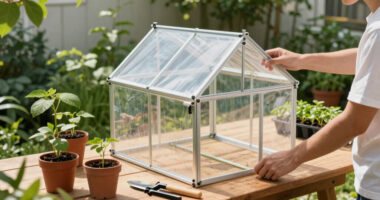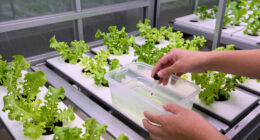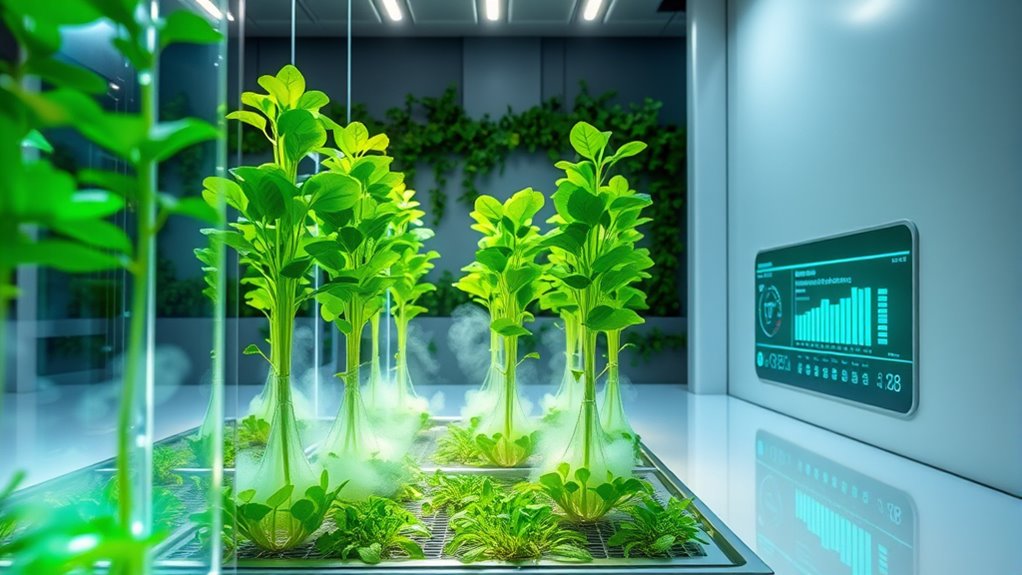

When exploring aeroponics technology, the goal is efficient, high-yield plant growth with minimal space and resource use. The Best Overall pick, the Vertical Hydroponic Grow Tower, balances performance and ease of use. The Aeroponics for Beginners system offers a straightforward entry point, while the Indoor Agriculture Systems stands out for its versatility. The main tradeoffs in this category involve balancing cost, complexity, and scalability. Continue reading for a detailed breakdown of the top options and what makes each unique.

Get garden gear delivered free with Prime
- Fast, free delivery on millions of items
- Prime Video, Amazon Music and more included
- Member-only deals all year
Complete the kit


Key Takeaways
- Top picks are distinguished by their ease of setup, maintenance, and scalability for both beginners and experienced growers.
- Performance varies significantly based on automation features and system design, affecting yields and resource efficiency.
- Budget options tend to compromise on automation or durability, while premium systems offer advanced controls and customization.
- Vertical tower designs dominate the lineup, maximizing space for small-scale and commercial growers alike.
- Most high-end options include integrated monitoring, but simpler models often require manual oversight, influencing long-term usability.
| Functional Guide to Aeroponics Garden System |  | Best for DIY Enthusiasts and Beginners Who Need Clear Setup Instructions | Scope: Comprehensive instructions for setting up aeroponics | Intended Use: Domestic and small commercial | VIEW ON AMAZON | See Our Full Breakdown | |
| Aeroponics |  | Best for Those Who Value Soil-less Growth Support and Nutrient Efficiency | Support: Soil-less plant growth | Efficiency: Efficient nutrient delivery | VIEW ON AMAZON | See Our Full Breakdown | |
| AEROPONIC TECHNOLOGY: Blessing, Curse & Automation, 2nd Edition |  | Best for Advanced Readers Interested in Automation and In-Depth Principles | Content Focus: Principles, benefits, challenges, automation | Intended Audience: Advanced learners and professionals | VIEW ON AMAZON | See Our Full Breakdown | |
| Vertical Hydroponic Grow Tower for Herbs, Fruits, and Vegetables – 15 Layers, 45 Plant Sites |  | Best for Small-Scale Indoor Growers Seeking Water Efficiency and Automation | Layers: 15 | Plant Sites: 45 | Water Savings: 90% | VIEW ON AMAZON | See Our Full Breakdown |
| AEROPONICS: The Ultimate Guide To Build Your Aeroponic System In Your Home, Bio Cultivation Of Fruits, Vegetables, And Herbs | 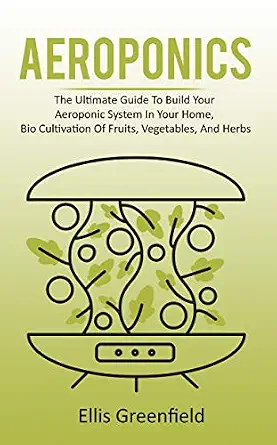 | Best for Enthusiasts Eager to Build and Explore Bio Cultivation Techniques | Content Focus: System building and bio cultivation | Target Audience: Experienced hobbyists and sustainable growers | VIEW ON AMAZON | See Our Full Breakdown | |
| Aeroponics for Beginners: Step-by-Step Comprehensive Blueprint to Aeroponics Gardening Made Easy for Beginners |  | Best for Beginners | Target Audience: Beginners in aeroponics | Content Type: Step-by-step guide | Difficulty Level: Beginner | VIEW ON AMAZON | See Our Full Breakdown |
| Simplified Guide to Aeroponics Tower Gardening |  | Best for Vertical Gardening Enthusiasts | Target Audience: Vertical gardening enthusiasts | Content Focus: Setup and maintenance of tower systems | Technical Detail: Basic, no specific equipment list | VIEW ON AMAZON | See Our Full Breakdown |
| Indoor Agriculture Systems: Hydroponics, Aeroponics, and Precision Growing Design |  | Best for Design-Oriented Indoor Farmers | Target Audience: Design-focused indoor growers | Content Type: Design and planning guide | Technical Depth: Intermediate to advanced | VIEW ON AMAZON | See Our Full Breakdown |
| Vertical Hydroponic Grow Tower with 9 Layers and 36 Pots |  | Best for Space-Constrained Growing | Layers: 9 | Pots: 36 | Water Tank: Included | VIEW ON AMAZON | See Our Full Breakdown |
| AEROPONICS FOR THE MODERN AGE: Growing Tomorrow |  | Best for Future-Focused Innovators | Target Audience: Innovators and sustainability advocates | Content Type: Visionary and future-oriented | Practicality: Limited | VIEW ON AMAZON | See Our Full Breakdown |
| Aeroponics Gardening System |  | Best for DIY Enthusiasts and Hobbyists | Intended Use: DIY home aeroponics system | Skill Level: Beginner to intermediate | Construction Type: Custom-built | VIEW ON AMAZON | See Our Full Breakdown |
More Details on Our Top Picks
Functional Guide to Aeroponics Garden System
This guide stands out for its detailed instructions, making it a valuable resource for those looking to build their own aeroponics systems from scratch. Unlike the more technical books like AEROPONIC TECHNOLOGY: Blessing, Curse & Automation, 2nd Edition, it offers practical steps without overwhelming with theory, which is ideal for beginners or hobbyists. The main tradeoff is that it doesn’t include specific product features or equipment, so users will need to source components separately. This makes it less suitable for those seeking an all-in-one solution, but perfect for hands-on learners who want to understand the process thoroughly.
Pros:- Provides comprehensive, step-by-step setup instructions
- Suitable for both home and small commercial projects
- Encourages a hands-on understanding of aeroponics
Cons:- Lacks specific equipment recommendations or specifications
- No included materials or hardware, requiring additional sourcing
Best for: Home growers or small-scale entrepreneurs eager to learn and customize their aeroponics setup
Not ideal for: Experienced growers seeking ready-to-use systems or detailed automation features
- Scope:Comprehensive instructions for setting up aeroponics
- Intended Use:Domestic and small commercial
Our verdict“This guide is ideal for DIYers and beginners who want to understand aeroponics fundamentals and build systems themselves.”
Aeroponics
Compared with the more detailed guides, this product emphasizes the core benefit of aeroponics: soil-less growth with efficient nutrient delivery. Its minimal information makes it less suitable for beginners or those unfamiliar with aeroponics, but for growers with some experience, it highlights the method’s efficiency. The lack of detailed features and setup instructions means buyers need prior knowledge or supplementary resources. Despite these limitations, its support for soil-less cultivation and nutrient efficiency make it appealing for those already exploring aeroponics and seeking a straightforward concept.
Pros:- Supports soil-less plant growth effectively
- Highlights efficient nutrient delivery systems
- Suitable for experimental or research-focused applications
Cons:- Lacks detailed setup instructions or product specifications
- Potentially complex to implement without prior experience
Best for: Intermediate growers or researchers interested in the core principles of aeroponics and nutrient efficiency
Not ideal for: Beginners or hobbyists who need detailed setup guidance and comprehensive instructions
- Support:Soil-less plant growth
- Efficiency:Efficient nutrient delivery
Our verdict“This product makes the most sense for growers familiar with aeroponics looking for a concise overview of its benefits.”
AEROPONIC TECHNOLOGY: Blessing, Curse & Automation, 2nd Edition
This book provides a comprehensive exploration of aeroponic technology, including automation aspects, making it suitable for advanced enthusiasts and agricultural professionals. Unlike the more practical guides or systems, it offers in-depth insights into the principles, benefits, and challenges of aeroponics, with a focus on automation’s role. The main tradeoff is its lack of practical applications or step-by-step building instructions, which limits its usefulness for hobbyists. It is best suited for readers wanting to deepen their theoretical understanding and explore cutting-edge automation within aeroponics.
Pros:- Provides detailed insights into aeroponic principles
- Explores automation extensively
- Suitable for professional or academic use
Cons:- No practical system-building guidance
- Limited information on specific products or implementations
Best for: Agricultural researchers or serious practitioners seeking detailed knowledge and automation insights
Not ideal for: Beginners or those wanting straightforward, hands-on system building instructions
- Content Focus:Principles, benefits, challenges, automation
- Intended Audience:Advanced learners and professionals
Our verdict“This book is ideal for those looking to study aeroponics at an advanced level, especially with automation considerations.”
Vertical Hydroponic Grow Tower for Herbs, Fruits, and Vegetables – 15 Layers, 45 Plant Sites
This vertical grow tower excels in maximizing space while reducing water use by 90%, making it suitable for urban gardeners and small-scale growers. Compared with simpler aeroponics setups, it offers a highly automated system that promotes faster growth and higher yields. Its compact design and easy assembly suit indoor environments, but its limited scalability and reliance on water and power connections mean it’s less ideal for large operations. This model makes the most sense for those wanting a ready-to-use, efficient system that can be easily integrated into home or small commercial setups.
Pros:- Water-efficient with 90% savings over traditional methods
- Supports faster growth and higher yields
- Compact, suitable for indoor use
- Easy to assemble and connect multiple units
Cons:- Requires connection to water and power for automation
- Limited capacity for large-scale farming
Best for: Urban gardeners and hobbyists interested in high-yield, water-saving indoor gardening
Not ideal for: Large-scale growers or those without access to water and power outlets
- Layers:15
- Plant Sites:45
- Water Savings:90%
- Automation:Yes
- Assembly:Easy
Our verdict“This grow tower offers an efficient, automated solution ideal for small, indoor setups focused on high productivity.”
AEROPONICS: The Ultimate Guide To Build Your Aeroponic System In Your Home, Bio Cultivation Of Fruits, Vegetables, And Herbs
This comprehensive guide targets dedicated home growers interested in constructing their own aeroponic systems and exploring bio cultivation methods. Unlike the more hardware-focused products, it offers detailed instructions on system building and bio techniques, making it ideal for passionate hobbyists. Its main drawback is that the content can be quite technical, which might overwhelm beginners. For those already familiar with basic aeroponics, this book provides valuable insights into sustainable, bio-based growing practices, but less so for quick-start or plug-and-play users.
Pros:- Detailed instructions for building aeroponic systems
- Covers bio cultivation techniques for diverse plants
- Great for passionate hobbyists seeking sustainability
Cons:- May be too technical for beginners
- No ready-to-use systems or products included
Best for: Gardeners with technical aptitude and interest in bio cultivation who want to build systems at home
Not ideal for: Total beginners looking for simple, ready-made solutions or minimal technical content
- Content Focus:System building and bio cultivation
- Target Audience:Experienced hobbyists and sustainable growers
Our verdict“This guide is perfect for dedicated home growers who want to master system building and bio cultivation, despite its technical depth.”
Aeroponics for Beginners: Step-by-Step Comprehensive Blueprint to Aeroponics Gardening Made Easy for Beginners
This book stands out for its clear, step-by-step guidance tailored for newcomers to aeroponics, making it an ideal starting point. Unlike more technical guides like Indoor Agriculture Systems, it simplifies complex concepts into practical advice, though it lacks detailed technical specifications that advanced growers might seek. Its straightforward approach helps users grasp the basics without feeling overwhelmed, but experienced gardeners may find it too basic. This makes it perfect for hobbyists starting out, but less suitable for those wanting in-depth technical design. Overall, it’s a practical choice for beginners looking to learn aeroponics from scratch.
Pros:- Comprehensive step-by-step guidance simplifies learning
- Easy-to-understand language makes it accessible for beginners
- Provides practical tips for successful initial setups
Cons:- Lacks detailed technical or equipment specifications
- Content may be too basic for experienced gardeners
Best for: People new to aeroponics who want a simple, accessible guide to start growing.
Not ideal for: Experienced growers or those needing detailed technical specifications and advanced setup tips.
- Target Audience:Beginners in aeroponics
- Content Type:Step-by-step guide
- Difficulty Level:Beginner
- Format:Printed book
- Included Topics:Basic techniques, troubleshooting
- Language:Easy-to-understand
Our verdict“This book is ideal for beginners who prefer straightforward instructions over technical complexity.”
Simplified Guide to Aeroponics Tower Gardening
This manual excels at demystifying the process of setting up and maintaining aeroponics tower systems, making it a strong choice for those interested in vertical gardening. Compared with the more general Indoor Agriculture Systems, it provides targeted advice on tower-specific challenges and solutions. However, it doesn’t list specific product features or recommend particular equipment, which may leave some users wanting more technical precision. Its focus on setup and maintenance is perfect for hobbyists and urban growers, but those seeking detailed equipment specs or advanced automation might find it lacking. It’s best suited for growers eager to implement vertical aeroponics without heavy technical details.
Pros:- Clear guidance on tower setup and maintenance
- Suitable for both beginners and experienced vertical growers
- Emphasizes practical steps for successful system operation
Cons:- No specific details on equipment or tools
- Lacks advanced technical or automation guidance
Best for: Gardeners interested in vertical, space-efficient aeroponics setups, especially beginners or hobbyists.
Not ideal for: Growers seeking detailed product specifications, automation features, or professional-scale systems.
- Target Audience:Vertical gardening enthusiasts
- Content Focus:Setup and maintenance of tower systems
- Technical Detail:Basic, no specific equipment list
- Design Focus:Vertical, space-saving
- Difficulty:Beginner to intermediate
- Format:Manual
Our verdict“This guide makes vertical aeroponics accessible for hobbyists and urban gardeners without overwhelming technical details.”
Indoor Agriculture Systems: Hydroponics, Aeroponics, and Precision Growing Design
This book offers a broad overview of indoor farming techniques, including aeroponics, with a focus on designing efficient systems. Compared to Aeroponics for Beginners, it targets those interested in integrating multiple methods and optimizing layouts, making it suitable for tech-savvy growers. The lack of step-by-step instructions means it’s less useful for hands-on beginners but valuable for experienced growers seeking to refine their system designs. Its practical design tips are beneficial, yet it doesn’t include specific product recommendations or detailed setup procedures, which might limit its usefulness for DIYers. It’s best for those looking to conceptualize and plan indoor aeroponics or hydroponics setups.
Pros:- Comprehensive coverage of indoor farming techniques
- Useful design tips for efficient system setup
- Suitable for both beginners with technical interest and experienced growers
Cons:- No detailed step-by-step instructions
- No specific product or equipment recommendations
Best for: Indoor growers interested in designing or optimizing multi-tech systems, especially with some technical background.
Not ideal for: Beginners needing detailed setup instructions or hands-on guidance with equipment.
- Target Audience:Design-focused indoor growers
- Content Type:Design and planning guide
- Technical Depth:Intermediate to advanced
- Focus Areas:System design, efficiency
- Format:Book
- Included Topics:Hydroponics, aeroponics, precision growing
Our verdict“This book is ideal for experienced indoor farmers who want to plan and optimize aeroponics within a broader system design context.”
Vertical Hydroponic Grow Tower with 9 Layers and 36 Pots
This vertical grow tower offers a space-efficient solution for growing a variety of fruits and vegetables indoors or outdoors. Its water recycling system, which recycles up to 98% of water, distinguishes it from traditional soil gardening and offers significant resource savings. Compared with the more conceptual books, it provides tangible hardware that makes aeroponics practical, though it involves setup and ongoing maintenance of water and nutrient systems. The need for an electrical pump and limited plant types suitable for hydroponics are tradeoffs to consider. It’s an excellent choice for small-scale, nutrient-rich crop production, especially where space is limited. This system is best for hobbyists or urban growers wanting immediate, hands-on results.
Pros:- Water-efficient recycling system reduces water usage
- Vertical design maximizes limited space
- Accelerates plant growth compared to soil-based methods
Cons:- Requires ongoing maintenance of water and nutrient systems
- Dependent on electricity for pump operation
- Limited to plants compatible with hydroponic growth
Best for: Home gardeners and urban farmers seeking a compact, ready-to-use aeroponic system with minimal space requirements.
Not ideal for: Growers looking for large-scale commercial systems or those unwilling to handle water and electrical maintenance.
- Layers:9
- Pots:36
- Water Tank:Included
- Pump:Included
- Water Recycling:Up to 98%
- Suitable for:Fruits, vegetables
Our verdict“This grow tower makes aeroponics accessible for small-scale growers who want quick, space-saving results without complex infrastructure.”
AEROPONICS FOR THE MODERN AGE: Growing Tomorrow
This book explores the potential of aeroponics as a sustainable farming method, emphasizing innovative techniques and the future landscape of agriculture. Unlike the more practical guides like Aeroponics for Beginners or hardware-focused options, it offers a visionary perspective that appeals to those interested in the long-term evolution of aeroponics. It discusses revolutionary ideas and global implications but provides limited practical, step-by-step instructions for immediate application. For readers seeking actionable setup advice, this may feel abstract, yet it sparks ideas for future projects. It’s best suited for researchers, sustainability advocates, or entrepreneurs imagining the next steps in aeroponics. It’s not a manual but a visionary exploration of what’s possible.
Pros:- Provides deep insights into innovative techniques
- Focuses on sustainability and future potential
- Encourages forward-thinking in agricultural technology
Cons:- Lacks practical implementation details
- Limited immediate application guidance
- No specific product or equipment information
Best for: Innovators, researchers, or entrepreneurs interested in the future of sustainable aeroponics farming.
Not ideal for: Beginners or hobbyists looking for hands-on setup instructions or specific product details.
- Target Audience:Innovators and sustainability advocates
- Content Type:Visionary and future-oriented
- Practicality:Limited
- Focus:Innovation, sustainability
- Format:Book
- Topics:Future of aeroponics, revolutionary techniques
Our verdict“This book is best suited for those envisioning the future of aeroponics rather than immediate setup or technical guidance.”
Aeroponics Gardening System
This aeroponics system stands out for its straightforward, step-by-step instructions, making it an excellent choice for hobbyists eager to build their own soil-less garden. Unlike more complex or commercial systems like the Vertical Hydroponic Grow Tower, this guide empowers users to customize their setup with minimal prior experience. However, it lacks detailed specifications, which could leave some DIYers guessing on component compatibility or system efficiency. Compared to the comprehensive guides like “AEROPONIC TECHNOLOGY: Blessing, Curse & Automation,” this option is less technical but more accessible for beginners. The absence of customer reviews also makes gauging real-world performance difficult, so it’s better suited for those willing to experiment.
Pros:- Easy-to-follow, step-by-step instructions for beginners
- Perfect for DIY enthusiasts with basic handyman skills
- Cost-effective, enabling custom builds without expensive pre-made systems
Cons:- Lacks detailed technical specifications for troubleshooting or scaling
- No customer reviews, making it hard to assess real-world success or reliability
Best for: DIY hobbyists interested in custom, small-scale aeroponics projects
Not ideal for: Commercial growers or those seeking ready-to-use systems with detailed specs and reviews
- Intended Use:DIY home aeroponics system
- Skill Level:Beginner to intermediate
- Construction Type:Custom-built
- System Size:Variable, based on user design
- Materials Needed:PVC pipes, pumps, tubing, containers
- Ease of Assembly:High
- Maintenance:Moderate, user-dependent
- Support/Guidance:Step-by-step instructions
Our verdict“This guide is ideal for DIYers who want to learn and build their own aeroponic system on a budget and don’t mind some trial and error.”

How We Picked
Our evaluation focused on performance, usability, build quality, maintenance needs, and overall value. We considered how well each system supports healthy plant growth, the ease of assembly, and the level of automation offered. Systems with reliable construction and proven scalability ranked higher, as they provide better long-term investment. We also balanced price against features to identify options suitable for a range of users—from beginners to seasoned growers—ensuring the final list reflects real-world needs and tradeoffs.Factors to Consider When Choosing Aeroponics Technology
Choosing the right aeroponics technology involves weighing several key factors. Compatibility with your space, automation features, and ease of maintenance are crucial. Cost is also a major consideration, especially when balancing initial investment against long-term savings and yields. Understanding these factors helps ensure you select a system that matches your growing goals, whether for hobbyist gardening or commercial production.System Size and Scalability
Start by assessing how much space you have and your future growth plans. Some systems are designed for small-scale indoor use, while others scale up for larger setups. Modular designs offer flexibility, allowing you to expand as needed. Choosing a system that can grow with your needs avoids costly replacements down the line.
Automation and Monitoring
Automation features like nutrient delivery, misting schedules, and environmental controls can save time and improve consistency. However, higher automation often comes with increased complexity and upfront costs. Manual systems may require more oversight but are generally more affordable and easier for beginners. Consider your comfort level and willingness to manage technical details.
Ease of Setup and Maintenance
Some aeroponics systems are plug-and-play, making installation straightforward, while others demand significant assembly and calibration. Maintenance routines vary; systems with accessible components and clear instructions reduce downtime. Be realistic about your DIY skills and how much effort you’re willing to invest regularly.
Build Quality and Durability
Investing in robust materials like high-grade plastics or stainless steel pays off through longer lifespan and fewer repairs. Cheaper plastics may degrade faster, especially under constant moisture. Durability is especially important if you plan to run the system continuously or in commercial environments.
Cost and Long-Term Value
Initial costs vary widely, but the most expensive options often include features that improve yields and reduce labor. Cheaper systems may seem attractive but could incur higher maintenance or replacement costs sooner. Evaluate the total cost of ownership to find the best value for your budget and needs.
Frequently Asked Questions
Can I set up an aeroponics system in my small apartment?
Yes, many compact aeroponics systems are designed specifically for small indoor spaces, making them suitable for apartments. Look for models with vertical or tower designs that maximize limited space. Keep in mind that you’ll need adequate lighting and ventilation, and select a system that fits your available area without overwhelming it. Proper setup ensures healthy growth while maintaining your living environment.
How much maintenance does an aeroponics system require?
Maintenance levels depend on the system’s automation and build quality. Generally, you’ll need to check nutrient levels, clean nozzles and reservoirs regularly, and monitor plant health. Automated systems reduce manual oversight but still require periodic calibration and cleaning to prevent clogs or algae buildup. A well-designed system simplifies routine tasks, making ongoing care more manageable.
Is aeroponics more efficient than traditional hydroponics?
In many cases, aeroponics can deliver faster growth rates and higher yields because of its precise nutrient delivery and better oxygenation. However, it also tends to be more sensitive to system failures—clogs or pump issues can quickly affect plants. While more resource-efficient, aeroponics demands a higher level of vigilance and maintenance, which may offset some gains for less experienced growers.
What features should I prioritize if I want an easy-to-use system?
Look for systems with straightforward assembly, automated watering and nutrient delivery, and minimal components that require frequent cleaning. Clear instructions and accessible parts reduce setup time and ongoing maintenance. For beginners, pre-calibrated pH and nutrient monitors can also simplify operation, making the system more forgiving and user-friendly.
Are premium aeroponics systems worth their higher price?
Premium systems often include advanced automation, superior build materials, and integrated environmental controls that can significantly boost productivity and ease of use. If you’re committed to high yields or commercial-scale growing, these features justify the investment. For hobbyists, however, more affordable models may provide sufficient performance while saving money, especially if you’re willing to handle some manual aspects.
Conclusion
For those starting out or with limited space, the Aeroponics for Beginners system offers an accessible entry point. Growers seeking a balance of performance and affordability will find the Vertical Hydroponic Grow Tower to be an excellent overall choice. Commercial or high-demand growers should consider premium, fully automated options like Indoor Agriculture Systems for maximum control and yields. Ultimately, your choice depends on your experience level, budget, and scalability needs—matching the right system to your specific goals will ensure successful aeroponic gardening in 2026.
Columbus Day / Indigenous Peoples' Day Picks
long weekend sales
As an affiliate, we earn on qualifying purchases.