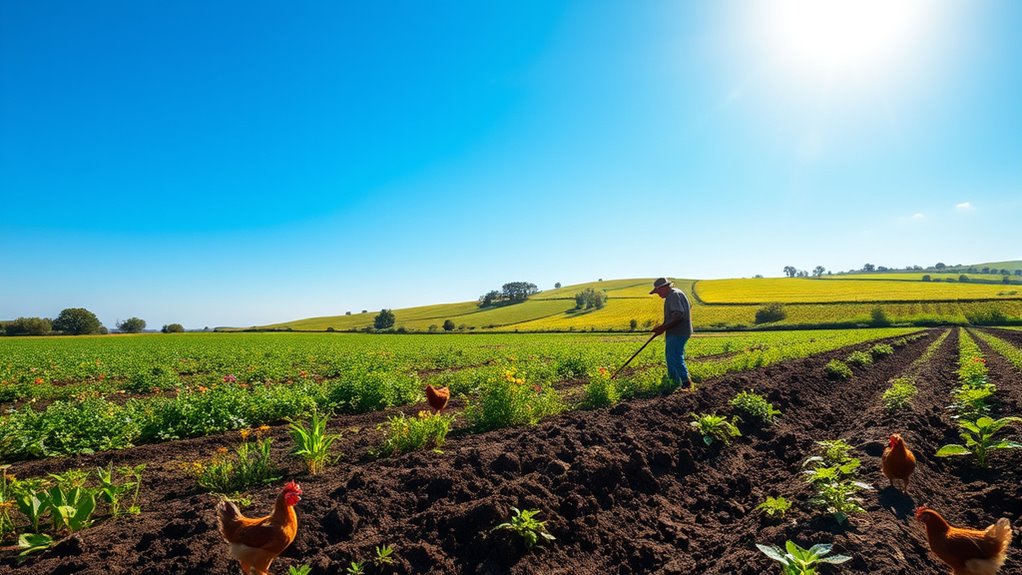

Biodynamic methods offer a holistic, spiritual approach to farming and gardening that emphasizes harmony with nature. The Spiritual Foundations of the Biodynamic Method stands out as the best overall resource for understanding core principles. For practical guidance, Biodynamics for Beginners provides accessible instructions, while Barefoot Biodynamics explores community-based practices that integrate animals and compost. Readers face tradeoffs between spiritual depth, practicality, and accessibility. Continue reading for a detailed comparison of these methods to find what best fits your goals.

Get garden gear delivered free with Prime
- Fast, free delivery on millions of items
- Prime Video, Amazon Music and more included
- Member-only deals all year
Complete the kit


Key Takeaways
- The top picks differ mainly in their focus—spiritual principles, practical instructions, or community integration—and cater to different types of biodynamic practitioners.
- The best overall resource balances spiritual depth with practical applicability, making it suitable for both novices and experienced farmers.
- Many methods emphasize the importance of compost and preparations, but their complexity and spiritual context vary significantly.
- Accessibility varies; beginner guides tend to simplify concepts, while more advanced texts delve into spiritual and philosophical foundations.
- Choosing the right method depends on whether a practitioner values holistic philosophy, practical steps, or community involvement.
| Agriculture: Spiritual Foundations of the Biodynamic Method |  | Best for Theoretically Minded Practitioners | Type: Theoretical/Philosophical | Focus: Spiritual Foundations | Audience: Practitioners and enthusiasts | VIEW ON AMAZON | See Our Full Breakdown |
| Barefoot Biodynamics: How Cows, Compost, and Community Help Us Understand Rudolf Steiner’s Agriculture |  | Best for Community-Focused Practitioners | Type: Conceptual/Community Focus | Focus: Animals, Compost, Community | Audience: Practitioners interested in Steiner’s methods | VIEW ON AMAZON | See Our Full Breakdown |
| A Biodynamic Manual: Practical Instructions for Farmers and Gardeners |  | Best for Hands-On Farmers and Gardeners | Type: Practical Manual | Audience: Farmers and Gardeners | Content: Techniques and principles | VIEW ON AMAZON | See Our Full Breakdown |
| Biodynamics for Beginners: Principles and Practice |  | Best for Newcomers to Biodynamics | Type: Introductory Guide | Audience: Beginners and small-scale practitioners | Content: Principles and basic practices | VIEW ON AMAZON | See Our Full Breakdown |
| Agriculture Course: The Birth of the Biodynamic Method |  | Best for Historical and Practical Context | Type: Historical/Practical Course | Focus: Origins and foundational practices | Audience: Practitioners interested in history | VIEW ON AMAZON | See Our Full Breakdown |
| The Biodynamic Spray and Compost Preparations Production Methods, Booklet 1 |  | Best for Practical Implementation of Biodynamic Preparations | Type of content: Production methods for biodynamic sprays and composts | Intended audience: Practitioners and small-scale farmers | Format: Printable booklet | VIEW ON AMAZON | See Our Full Breakdown |
| What Is Biodynamics?: A Way to Heal and Revitalize the Earth |  | Best for Theoretical Understanding and Ecological Context | Type of content: Principles and ecological impact of biodynamics | Intended audience: Environmental enthusiasts and farmers | Format: Paperback | VIEW ON AMAZON | See Our Full Breakdown |
| Biodynamic Gardening: Organic Growing Guided by the Moon for Bountiful Harvests |  | Best for Practical, Moon-Cycle Based Gardening Tips | Type of content: Lunar cycle-based gardening tips | Intended audience: Amateur and experienced biodynamic gardeners | Format: Paperback | VIEW ON AMAZON | See Our Full Breakdown |
| biodynamic method | Format | Publication Date | Type | Focus |
|---|---|---|---|---|
| Agriculture: Spiritual Foundat | Book | N/A | Theoretical/Philosophical | Spiritual Foundations |
| Barefoot Biodynamics: How Cows | Book | N/A | Conceptual/Community Focus | Animals, Compost, Community |
| A Biodynamic Manual: Practical | Book | N/A | Practical Manual | Practical application |
| Biodynamics for Beginners: Pri | Book | N/A | Introductory Guide | Holistic and sustainable farming |
| Agriculture Course: The Birth | Course | — | Historical/Practical Course | Origins and foundational practices |
| The Biodynamic Spray and Compo | Printable booklet | Unknown | — | — |
| What Is Biodynamics?: A Way to | Paperback | 1999 | — | — |
| Biodynamic Gardening: Organic | Paperback | 2022 | — | — |
More Details on Our Top Picks
Agriculture: Spiritual Foundations of the Biodynamic Method
This book stands out for its deep exploration of the spiritual principles that underpin biodynamic farming, making it ideal for those interested in the philosophical and holistic side of the method. Unlike A Biodynamic Manual, which provides hands-on techniques, this publication offers a broader conceptual framework, appealing to practitioners seeking a philosophical grounding. Its detailed insights into biodynamic spirituality make it less suitable for readers craving practical step-by-step instructions. The absence of concrete techniques means it’s more suited to enthusiasts who want to understand the ‘why’ rather than the ‘how.’
Pros:- Provides in-depth understanding of biodynamic philosophy and spiritual principles
- Offers comprehensive insights into holistic agricultural practices
- Suitable for readers seeking a philosophical approach to biodynamics
Cons:- Lacks practical or actionable steps for implementation
- Can be too abstract for those wanting hands-on guidance
Best for: Readers interested in the philosophical and spiritual foundations of biodynamic farming, especially those pursuing a holistic understanding.
Not ideal for: Practical farmers or gardeners looking for step-by-step instructions or scientific explanations, as it is more theoretical.
- Type:Theoretical/Philosophical
- Focus:Spiritual Foundations
- Audience:Practitioners and enthusiasts
- Format:Book
- Depth:Deep philosophical insights
- Publication Date:N/A
Our verdict“This book is best suited for those exploring the spiritual and philosophical underpinnings of biodynamic methods rather than seeking immediate practical guidance.”
Barefoot Biodynamics: How Cows, Compost, and Community Help Us Understand Rudolf Steiner’s Agriculture
This book excels at connecting biodynamic principles with community and ecological sustainability, making it a strong choice for those interested in the social aspects of biodynamic farming. Compared to A Biodynamic Manual, which emphasizes technical practices, this work highlights the importance of animals, composting, and community involvement, giving it a more holistic and social perspective. Its focus on Rudolf Steiner’s methods is detailed, but the book can feel dense for newcomers unfamiliar with Steiner’s philosophy. Its practical insights are rooted in community-based approaches, which might seem less applicable to commercial-scale operations seeking straightforward techniques.
Pros:- Provides detailed insights into Steiner’s biodynamic principles
- Highlights the role of animals and compost in sustainable farming
- Emphasizes community and ecological health
Cons:- Dense for readers new to biodynamics or Steiner’s philosophy
- Less focus on modern, industrial farming practices
Best for: Farmers and gardeners who value community, ecological sustainability, and Rudolf Steiner’s holistic approach.
Not ideal for: Beginners or commercial farmers looking for clear, direct instructions without a focus on community or philosophical context.
- Type:Conceptual/Community Focus
- Focus:Animals, Compost, Community
- Audience:Practitioners interested in Steiner’s methods
- Format:Book
- Depth:In-depth community and ecological insights
- Publication Date:N/A
Our verdict“Ideal for practitioners who prioritize community, ecological health, and Steiner’s holistic approach over straightforward technical guidance.”
A Biodynamic Manual: Practical Instructions for Farmers and Gardeners
This manual makes it easier for those seeking actionable biodynamic techniques, contrasting with the more theoretical Agriculture: Spiritual Foundations of the Biodynamic Method. It offers clear, practical instructions that can be directly applied in the field or garden, making it suitable for both amateur gardeners and professional farmers. However, it does not delve into scientific explanations, which might leave more inquisitive readers wanting a deeper understanding of the principles behind the practices. Its lack of a specific publication date also suggests it may not include the latest developments in biodynamic techniques.
Pros:- Provides clear, practical biodynamic farming techniques
- Suitable for both farmers and amateur gardeners
- Easy to follow and implement
Cons:- Lacks detailed scientific explanations or background theory
- No specific edition, which may limit its relevance to recent practices
Best for: Farmers and gardeners who want straightforward, practical guidance on biodynamic methods.
Not ideal for: Readers seeking philosophical context or scientific explanations, as it focuses primarily on techniques.
- Type:Practical Manual
- Audience:Farmers and Gardeners
- Content:Techniques and principles
- Format:Book
- Focus:Practical application
- Publication Date:N/A
Our verdict“This manual is best for hands-on practitioners looking for straightforward biodynamic techniques without complex theory.”
Biodynamics for Beginners: Principles and Practice
This book offers a gentle yet comprehensive introduction to biodynamics, making it ideal for those just starting out. Unlike Basic Manuals that focus solely on techniques, this book balances fundamental principles with practical guidance, easing new practitioners into the method. While it covers essential concepts well, it doesn’t include advanced practices or detailed scientific explanations, which can be a limitation for those wanting a deeper dive. Its focus on sustainability and holistic practices makes it accessible, but it may leave more experienced practitioners wanting more detailed technical content.
Pros:- Provides a clear, accessible overview of biodynamic principles
- Practical guidance suitable for beginners
- Focuses on sustainable and holistic farming practices
Cons:- Lacks detailed, advanced techniques
- No specific technical features or recent updates included
Best for: Beginners or small-scale gardeners seeking a clear, accessible introduction to biodynamics.
Not ideal for: Experienced farmers or practitioners looking for in-depth technical methods or advanced techniques.
- Type:Introductory Guide
- Audience:Beginners and small-scale practitioners
- Content:Principles and basic practices
- Format:Book
- Focus:Holistic and sustainable farming
- Publication Date:N/A
Our verdict“This book makes the most sense for newcomers wanting a straightforward, easy-to-understand introduction to biodynamics.”
Agriculture Course: The Birth of the Biodynamic Method
This course provides valuable historical context about the origins of biodynamic farming, making it valuable for practitioners interested in the roots of the method. Compared with Barefoot Biodynamics, which emphasizes community and ecological aspects, this course offers a deeper look into the foundational ideas and early practices that shaped biodynamics. Its focus on history and practical approaches makes it more suitable for those wanting to understand the ‘why’ behind biodynamics, though it lacks detailed course content or instructor information that could enhance its educational value. For active farmers seeking specific techniques, this may feel somewhat limited.
Pros:- Provides detailed historical insights into biodynamic origins
- Offers practical approaches rooted in tradition
- Enhances understanding of the philosophical roots of biodynamics
Cons:- Lacks detailed course content or instructor specifics
- Less focus on modern, practical application
Best for: Practitioners interested in the historical evolution and foundational principles of biodynamic farming.
Not ideal for: Farmers seeking hands-on, detailed, or current techniques without historical context.
- Type:Historical/Practical Course
- Focus:Origins and foundational practices
- Audience:Practitioners interested in history
- Format:Course
- Depth:Historical and practical insights
- Instructor Info:Not specified
Our verdict“This course is ideal for those wanting to understand the historical and foundational principles behind biodynamic methods rather than immediate practical application.”
The Biodynamic Spray and Compost Preparations Production Methods, Booklet 1
This booklet excels as a hands-on guide for producing biodynamic sprays and compost preparations, making it ideal for practitioners who want concrete methods. Compared to the more conceptual What Is Biodynamics?, this resource offers tangible instructions, though its lack of detailed content may leave beginners wanting more context. Its focus on practical steps makes it a valuable tool for gardeners and farmers committed to biodynamic methods, but it falls short for those seeking comprehensive theory or technical specifications. Clear guidance on preparation techniques stands out, but the absence of detailed content limits its standalone usefulness.
Pros:- Provides detailed, practical methods for preparations
- Useful resource for implementing biodynamic practices
- Supports sustainable farming efforts
Cons:- Limited information without additional context or theory
- No detailed specifications or troubleshooting guidance
Best for: Small-scale biodynamic farmers and gardeners who need step-by-step production methods.
Not ideal for: Beginners seeking foundational knowledge about biodynamics without existing experience in preparation techniques.
- Type of content:Production methods for biodynamic sprays and composts
- Intended audience:Practitioners and small-scale farmers
- Format:Printable booklet
- Language:English
- Length:Brief guide
- Publisher:Unknown
- Publication date:Unknown
- Technical detail:Step-by-step procedures
Our verdict“This booklet is best suited for practitioners seeking clear, practical instructions for making biodynamic preparations.”
What Is Biodynamics?: A Way to Heal and Revitalize the Earth
This book offers a comprehensive exploration of biodynamics, making it a valuable resource for those interested in the philosophical and ecological foundations of the practice. Unlike the more technical The Biodynamic Spray and Compost Preparations Production Methods, it dives into principles and the ecological impact of biodynamic farming, appealing to environmental enthusiasts and farmers seeking a deeper understanding. However, its lack of specific application instructions and technical data means it’s less useful for immediate implementation. Ideal for readers wanting to grasp the holistic and healing aspects of biodynamics, but less suitable for those seeking practical, hands-on guidance.
Pros:- Provides in-depth insights into biodynamic principles
- Promotes understanding of ecological and healing aspects
- Suitable for environmentally minded readers
Cons:- Lacks detailed technical or practical instructions
- Requires prior knowledge of ecological concepts
Best for: Eco-conscious farmers and environmental advocates interested in the broader principles of biodynamics.
Not ideal for: Practitioners looking for detailed production instructions or technical steps for preparations.
- Type of content:Principles and ecological impact of biodynamics
- Intended audience:Environmental enthusiasts and farmers
- Format:Paperback
- Language:English
- Pages:Approximately 150
- Publisher:North Atlantic Books
- Publication date:1999
- Technical detail:Theoretical insights and ecological context
Our verdict“This book is perfect for those seeking a philosophical and ecological understanding of biodynamics, rather than hands-on methods.”
Biodynamic Gardening: Organic Growing Guided by the Moon for Bountiful Harvests
This book makes a compelling case for using lunar cycles to guide planting and harvesting, making it especially useful for gardeners interested in a holistic, biodynamic approach. Compared with What Is Biodynamics?, which focuses on principles, this guide offers immediate, actionable tips rooted in lunar phases, appealing to those wanting tangible results. Its focus on organic practices and lunar timing makes it less suitable for gardeners unfamiliar with or uninterested in moon-based methods. Ideal for enthusiastic gardeners seeking to maximize yields through biodynamic lunar planting schedules, but not for traditional gardeners or those seeking conventional organic advice.
Pros:- Detailed guidance on biodynamic gardening techniques
- Emphasizes organic, sustainable practices
- Includes lunar cycle-based planting tips
Cons:- Requires some prior gardening knowledge
- Limited focus on conventional gardening methods
Best for: Amateur and experienced biodynamic gardeners eager to optimize harvests with lunar cycle guidance.
Not ideal for: Gardeners lacking prior knowledge of biodynamic principles or lunar cycle-based planting.
- Type of content:Lunar cycle-based gardening tips
- Intended audience:Amateur and experienced biodynamic gardeners
- Format:Paperback
- Language:English
- Pages:Around 200
- Publisher:Storey Publishing
- Publication date:2022
- Technical detail:Lunar phases and organic techniques
Our verdict“This book is best for gardeners interested in applying lunar cycles to biodynamic planting for better harvests.”

How We Picked
We evaluated these biodynamic methods based on clarity of principles, practical usability, depth of spiritual and ecological content, and suitability for different experience levels. Sources were selected for their comprehensive coverage, ease of understanding, and relevance to modern biodynamic farming and gardening. Each product’s role in guiding users toward successful implementation was considered, with a focus on balancing spiritual authenticity with practical outcomes. The ranking reflects a combination of accessibility, depth, and applicability for a range of practitioners from beginners to seasoned biodynamic farmers.| biodynamic method | Type | Focus | Audience | Format |
|---|---|---|---|---|
| Agriculture: Spiritual Foundat | Theoretical/Philosophical | Spiritual Foundations | Practitioners and enthusiasts | Book |
| Barefoot Biodynamics: How Cows | Conceptual/Community Focus | Animals, Compost, Community | Practitioners interested in Steiner’s methods | Book |
| A Biodynamic Manual: Practical | Practical Manual | Practical application | Farmers and Gardeners | Book |
| Biodynamics for Beginners: Pri | Introductory Guide | Holistic and sustainable farming | Beginners and small-scale practitioners | Book |
| Agriculture Course: The Birth | Historical/Practical Course | Origins and foundational practices | Practitioners interested in history | Course |
| The Biodynamic Spray and Compo | — | — | — | Printable booklet |
| What Is Biodynamics?: A Way to | — | — | — | Paperback |
| Biodynamic Gardening: Organic | — | — | — | Paperback |
Factors to Consider When Choosing Biodynamic Methods
When choosing a biodynamic method, consider your level of experience, your specific goals—whether spiritual, practical, or ecological—and the resources available to you. Compatibility with your farm or garden’s size and climate also matters. It’s important to recognize that some methods prioritize spiritual philosophy over practical techniques, while others focus on hands-on procedures. Be aware of potential misconceptions, such as assuming all methods require spiritual belief, which may not suit everyone. Understanding these factors can help you select a method that aligns with your values and practical needs.Experience Level and Learning Curve
If you’re new to biodynamics, starting with a straightforward guide like Biodynamics for Beginners can prevent overwhelm. More comprehensive texts, like A Biodynamic Manual, offer deeper insights but require more time to digest. Advanced practitioners interested in spiritual philosophy may prefer resources like Spiritual Foundations of the Biodynamic Method. Matching your experience with your chosen material ensures steady progress without frustration, but be prepared for some methods to demand more time and spiritual reflection than others.
Focus on Spiritual vs. Practical Aspects
Some biodynamic methods emphasize spiritual principles and cosmic rhythms, which can deepen your connection to the land but may feel abstract or challenging to implement. Conversely, practical guides focus on compost, preparations, and planting schedules, offering tangible steps. Balancing these approaches depends on your personal philosophy—are you seeking a spiritual journey or concrete techniques? Many effective methods find a middle ground, integrating spiritual insights with practical application, but understanding your preference helps prevent investing in a resource that doesn’t align with your goals.
Resource Accessibility and Cost
Some resources are comprehensive books or courses that require a financial investment, while others are more affordable or free, such as online articles or community-based guides. Consider whether you prefer in-depth, structured learning or flexible, on-demand information. Keep in mind that more expensive resources often provide detailed insights and community support, which can be invaluable for complex practices. Cheaper or free options may be perfect for initial experimentation but might lack depth. Your budget and learning style should guide your choice.
Community and Support Networks
Practicing biodynamics often benefits from community engagement, whether through local farming cooperatives, online forums, or workshops. Some methods, like Barefoot Biodynamics, explicitly emphasize community involvement, making peer support and shared knowledge critical. If you value ongoing assistance, look for resources that connect you to a network of practitioners. Conversely, if you prefer working independently, self-guided manuals and books may suffice. Incorporating community can accelerate learning and troubleshooting but requires time commitment and openness to collaboration.
Compatibility with Your Environment
Different biodynamic methods suit various climates, soil types, and scales of operation. For example, practices centered around lunar planting schedules may work well in certain regions but less so elsewhere. Ensure the method you choose aligns with your local conditions and farm size. Some resources offer region-specific advice or adaptable techniques, which can make implementation smoother. Ignoring environmental compatibility can lead to frustration or suboptimal results, so assess your land and climate before committing to a particular approach.
Frequently Asked Questions
Do I need to believe in the spiritual aspects of biodynamics to succeed?
No, belief isn’t a requirement for applying biodynamic principles effectively. Many practitioners focus on the practical techniques such as composting, planting schedules, and soil preparations. While some resources emphasize spiritual philosophy, the core outcomes—healthy soil, vibrant plants—can be achieved through practical application alone. Understanding the underlying principles can deepen your connection and results, but they are not mandatory for success.
Can I combine biodynamic methods with organic farming?
Absolutely. Biodynamic methods are often viewed as an extension of organic farming, emphasizing soil health and ecological balance. Many organic farmers incorporate biodynamic preparations and lunar cycles to enhance their practices. Combining these approaches can amplify sustainability and productivity, but it’s important to maintain a consistent focus on soil vitality and avoid overcomplicating your system. Careful integration ensures you benefit from both philosophies without creating conflicting practices.
How much time and effort does practicing biodynamics typically require?
The effort involved depends on your chosen method and level of engagement. Basic practices like lunar planting and composting can be incorporated gradually with minimal extra effort. More advanced practices, including preparations and spiritual rituals, demand more time and dedication. For many, the initial learning curve can be steep, but ongoing routines tend to become part of a natural farming rhythm. Balancing your available time with your goals will help determine how deeply you can commit.
Are biodynamic preparations necessary for successful results?
While not absolutely mandatory, biodynamic preparations are considered fundamental by many practitioners for revitalizing soil and plants. They are designed to enhance the biological activity in your land and foster a balanced ecosystem. However, some successful biodynamic farms rely heavily on composting, crop rotation, and lunar cycles without complex preparations. The choice depends on your philosophy, resources, and specific farm needs—some see preparations as a spiritual ritual, others as practical tools.
What are the common mistakes to avoid when adopting biodynamic methods?
A common mistake is misapplying lunar or cosmic timing without understanding local conditions, which can diminish effectiveness. Overcomplicating practices or expecting immediate results can lead to frustration. Neglecting soil health in favor of ritual or spiritual focus might reduce overall farm vitality. Lastly, ignoring community support or local advice can create isolation and hinder progress. Prioritizing education, patience, and context-specific adaptations helps prevent these pitfalls.
Conclusion
For beginners eager to explore biodynamics without feeling overwhelmed, Biodynamics for Beginners provides a gentle entry point. Experienced farmers seeking a comprehensive understanding might favor Spiritual Foundations of the Biodynamic Method. Those interested in community-driven approaches will find Barefoot Biodynamics particularly inspiring. If spiritual depth is less important than practical results, focus on resources that emphasize soil health and crop growth. The best choice depends on your experience level, values, and goals—select the method that aligns best with your farm or garden’s needs and your personal commitment to holistic farming.
Halloween Picks

Haunted Hill Farm 2-Ft. Zombie Raccoon Halloween Animatronic

8.5 Foot Halloween Inflatable Haunted House Castle with Skeleton, Ghost & Skulls

Vexalify 11-Inch Halloween Pumpkin Fog Machine with 12-Color Lights
As an affiliate, we earn on qualifying purchases.