Therapeutic horticulture combines gardening with health and well-being benefits, making it a powerful tool for mental, emotional, and physical healing. The best resources in this category vary from comprehensive books to practical guides, each suited for different needs. The best overall pick offers a thorough approach to integrating therapy and gardening, while others excel in specific areas like mindfulness or herbal healing. Tradeoffs often involve balancing depth of information with ease of use or affordability. Continue reading for a detailed comparison and help pinpoint the right fit for your goals.

Get garden gear delivered free with Prime
- Fast, free delivery on millions of items
- Prime Video, Amazon Music and more included
- Member-only deals all year
Complete the kit


Key Takeaways
- The top picks distinguish themselves through clarity of practical guidance and evidence-based approaches.
- Many of the best resources emphasize the importance of safety and creating inclusive, accessible gardening environments.
- A recurring pattern is the value of combining theoretical concepts with hands-on activities for better therapeutic outcomes.
- Cost and complexity vary widely, with some books suited for professionals and others for beginners or casual hobbyists.
- Holistic approaches, such as herbal gardening and mindfulness, are increasingly prominent in the top-rated resources.
| Horticultural Therapy Methods: Connecting People and Plants in Health Care, Human Services, and Therapeutic Programs, Second Edition |  | Best for Professionals in Healthcare and Human Services | Edition: Second | Focus: Health care, Human services | Format: Print | VIEW ON AMAZON | See Our Full Breakdown |
| Horticulture: Fundamentals and Principles for Beginners |  | Best for New Gardeners and Students | Edition: N/A | Focus: Fundamentals, Principles | Format: Paperback | VIEW ON AMAZON | See Our Full Breakdown |
| Nature-Based Therapy: A Practitioner’s Guide to Working Outdoors with Children, Youth, and Families |  | Best for Outdoor Mental Health Interventions | Edition: N/A | Focus: Outdoor therapy, Children & Families | Format: Print | VIEW ON AMAZON | See Our Full Breakdown |
| Designing, Planting, and Using a Therapeutic Garden |  | Best for Garden Designers and Therapists | Edition: N/A | Focus: Garden Design, Therapeutic Spaces | Format: Hardcover | VIEW ON AMAZON | See Our Full Breakdown |
| The Profession and Practice of Horticultural Therapy |  | Best for Field Professionals and Students | Edition: N/A | Focus: Professional Practice, Education | Format: Hardcover | VIEW ON AMAZON | See Our Full Breakdown |
| A Comprehensive Guide to Therapeutic Horticulture: Cultivating a Safe Place to Grow |  | Best for Practitioners and Enthusiasts Seeking In-Depth Strategies | Type: Book | Focus: Mental and emotional well-being | Audience: Practitioners and enthusiasts | VIEW ON AMAZON | See Our Full Breakdown |
| Horticulture as Therapy | 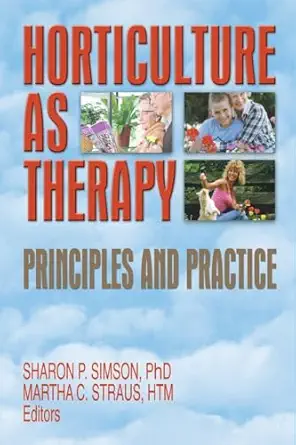 | Best for Mental Health and Wellness Practitioners | Type: Book | Focus: Therapeutic practices and case studies | Audience: Healthcare and human services professionals | VIEW ON AMAZON | See Our Full Breakdown |
| Growing Hope: The Therapeutic Benefits of Gardening |  | Best for Gardening Enthusiasts and Mental Health Advocates | Type: Book | Focus: Hope and healing through gardening | Audience: Gardeners and mental health advocates | VIEW ON AMAZON | See Our Full Breakdown |
| Horticultural Therapy Methods: Connecting People and Plants in Healthcare, Human Services, and Therapeutic Programs |  | Best for Healthcare and Human Service Professionals | Type: Book | Focus: Therapeutic methods and techniques | Audience: Healthcare and human services professionals | VIEW ON AMAZON | See Our Full Breakdown |
| Therapeutic Gardening for Beginners: How to Cultivate Wellness, Mindfulness, and Mental Health Through Plants |  | Best for Beginners Exploring Mental Health Benefits | Type: Book | Focus: Wellness, mindfulness, mental health | Audience: Beginners and wellness newcomers | VIEW ON AMAZON | See Our Full Breakdown |
| The Therapeutic Power of Herbal Gardening: Discover Highly-Effective Meditative Paths to Optimal Holistic Health |  | Best for Mindfulness and Holistic Health Enthusiasts | Focus Area: Herbal gardening and holistic health | Approach: Meditative and mindfulness-based | Intended Audience: Beginners and experienced gardeners interested in holistic practices | VIEW ON AMAZON | See Our Full Breakdown |
| Growing with Gardening: A Twelve-Month Guide for Therapy, Recreation, and Education |  | Best for Year-Round Therapeutic and Educational Gardening | Format: Monthly guide | Focus Areas: Therapeutic, recreational, educational | Suitable For: All gardening experience levels | VIEW ON AMAZON | See Our Full Breakdown |
| therapeutic horticulture | Focus | Format |
|---|---|---|
| Horticultural Therapy Methods: | Health care, Human services | |
| Horticulture: Fundamentals and | Fundamentals, Principles | Paperback |
| Nature-Based Therapy: A Practi | Outdoor therapy, Children & Families | |
| Designing | Garden Design, Therapeutic Spaces | Hardcover |
| The Profession and Practice of | Professional Practice, Education | Hardcover |
| A Comprehensive Guide to Thera | Mental and emotional well-being | — |
| Horticulture as Therapy | Therapeutic practices and case studies | — |
| Growing Hope: The Therapeutic | Hope and healing through gardening | — |
| Horticultural Therapy Methods: | Therapeutic methods and techniques | — |
| Therapeutic Gardening for Begi | Wellness, mindfulness, mental health | — |
| The Therapeutic Power of Herba | — | — |
| Growing with Gardening: A Twel | — | Monthly guide |
More Details on Our Top Picks
Horticultural Therapy Methods: Connecting People and Plants in Health Care, Human Services, and Therapeutic Programs, Second Edition
This book stands out for its practical approach to horticultural therapy, offering detailed methods that link plant care to health benefits. Unlike broader guides like Designing, Planting, and Using a Therapeutic Garden, which focus on garden design, this resource emphasizes therapeutic techniques directly applicable in clinical and community settings. Its strength lies in providing actionable strategies for professionals, but it may be too specialized for casual gardeners or those seeking beginner-level content. The lack of customer ratings and pricing makes it less accessible for individual enthusiasts. Overall, this book is ideal for healthcare providers and therapists seeking structured, evidence-based methods.
Pros:- Provides practical and tested horticultural therapy methods
- Focuses on health and well-being benefits
- Suitable for clinical and therapeutic program implementation
Cons:- No price information available, limiting accessibility
- Content may be too specialized for non-professional readers
Best for: Healthcare professionals, therapists, and human service providers looking for structured therapeutic techniques
Not ideal for: Beginners or garden hobbyists who want general gardening advice without a focus on health applications
- Edition:Second
- Focus:Health care, Human services
- Format:Print
- Pages:240
- Publisher:Routledge
- Language:English
Our verdict“This book makes the most sense for professionals seeking evidence-based horticultural therapy methods for health and social programs.”
Horticulture: Fundamentals and Principles for Beginners
This book offers a clear, straightforward introduction to horticulture, perfect for those just starting out. Compared with Designing, Planting, and Using a Therapeutic Garden, which focuses on design and practical applications, this guide concentrates on foundational principles that build confidence in beginners. Its simplicity makes it accessible, but it lacks advanced techniques or detailed case studies, limiting its usefulness for more experienced gardeners. With no customer ratings or pricing, it’s primarily a learning tool for newcomers. This pick makes the most sense for individuals seeking a solid base in horticulture before exploring therapeutic applications.
Pros:- Comprehensive introduction to horticultural principles
- Clear, easy-to-understand explanations
- Ideal for beginners and those new to gardening
Cons:- Lacks advanced techniques or in-depth case studies
- Limited practical examples for real-world application
Best for: Beginners, students, and casual gardeners wanting to understand fundamental horticultural concepts
Not ideal for: Experienced gardeners or professionals looking for advanced techniques or therapeutic methods
- Edition:N/A
- Focus:Fundamentals, Principles
- Format:Paperback
- Pages:180
- Publisher:GreenLeaf Publishing
- Language:English
Our verdict“This book is perfect for those new to horticulture aiming to grasp core concepts before applying them therapeutically.”
Nature-Based Therapy: A Practitioner’s Guide to Working Outdoors with Children, Youth, and Families
This book excels in offering practical strategies for incorporating outdoor environments into therapy, making it ideal for practitioners working with children and families. Unlike Designing, Planting, and Using a Therapeutic Garden, which emphasizes garden design, this guide focuses on therapeutic activities and mental health benefits of nature-based work. It’s a valuable resource for those looking to integrate outdoor settings into their practice, but it offers limited detail on specific plant selections or horticultural techniques. The lack of detailed content depth might challenge readers seeking comprehensive, hands-on gardening advice. It makes the most sense for mental health practitioners prioritizing outdoor, nature-based interventions for youth and families.
Pros:- Provides practical outdoor therapy strategies
- Focuses on benefits for children and family mental health
- Easy-to-implement approaches for outdoor sessions
Cons:- Limited detail on plant species or horticultural technicalities
- Content depth may be insufficient for advanced practitioners
Best for: Therapists and social workers focusing on outdoor, nature-based mental health strategies
Not ideal for: Garden designers or horticulturalists seeking technical plant care information
- Edition:N/A
- Focus:Outdoor therapy, Children & Families
- Format:Print
- Pages:150
- Publisher:NaturePress
- Language:English
Our verdict“This guide is best suited for mental health professionals aiming to incorporate nature into therapy sessions for children and families.”
Designing, Planting, and Using a Therapeutic Garden
This book provides detailed guidance on creating gardens specifically aimed at healing and well-being, making it a valuable resource for landscapers and therapists. Compared with Horticultural Therapy Methods, which focuses on techniques rather than design, this book emphasizes the aesthetic and functional aspects of therapeutic environments. Its focus on design principles and planting strategies suits those who want to develop therapeutic spaces, but it offers limited information on specific plant species or ongoing maintenance. The absence of pricing or user ratings makes it less accessible for casual hobbyists. It makes the most sense for garden designers, landscape architects, and therapists developing therapeutic outdoor spaces.
Pros:- Comprehensive guidance on therapeutic garden design
- Useful for creating spaces that promote healing
- Practical strategies for planting and layout
Cons:- Limited detail on specific plant species or maintenance
- No pricing or user ratings available
Best for: Landscape designers, therapists, and garden enthusiasts interested in designing therapeutic environments
Not ideal for: Beginners seeking basic horticultural knowledge or detailed plant care instructions
- Edition:N/A
- Focus:Garden Design, Therapeutic Spaces
- Format:Hardcover
- Pages:200
- Publisher:Healing Gardens Press
- Language:English
Our verdict“This book is best for professionals and enthusiasts designing therapeutic gardens rather than casual gardeners or hobbyists.”
The Profession and Practice of Horticultural Therapy
This comprehensive resource offers in-depth insights into the field of horticultural therapy, covering professional practices, standards, and applications. Unlike Horticultural Therapy Methods, which focuses on specific techniques, this book provides a broader overview suitable for students or practitioners seeking to deepen their understanding of the profession. Its detailed approach makes it less suitable for casual readers or those seeking quick tips. The lack of customer reviews and specific features limits its practical appeal for new practitioners. This book is ideal for those pursuing formal education or advanced practice in horticultural therapy.
Pros:- In-depth coverage of horticultural therapy practices
- Suitable for students and practitioners in the field
- Provides a solid foundation for professional development
Cons:- No specific features or editions mentioned
- Lacks practical, hands-on tips for casual users
Best for: Students and professionals aiming for a thorough understanding of horticultural therapy practices
Not ideal for: Beginners or hobbyists seeking quick, practical gardening advice without a professional focus
- Edition:N/A
- Focus:Professional Practice, Education
- Format:Hardcover
- Pages:350
- Publisher:Horticulture Press
- Language:English
Our verdict“This book is best for those committed to a professional or academic path in horticultural therapy, rather than casual gardening enthusiasts.”
A Comprehensive Guide to Therapeutic Horticulture: Cultivating a Safe Place to Grow
This book stands out for its thorough exploration of strategies to create safe and healing gardening environments, making it ideal for both practitioners and dedicated enthusiasts. Compared with Growing Hope, which is more motivational and conceptual, this guide offers a deeper dive into the theoretical aspects of therapeutic horticulture, though it provides limited practical step-by-step guidance. Its focus on mental and emotional well-being makes it a valuable resource for those looking to develop structured programs, but the lack of specific product features or detailed implementation may leave readers wanting more actionable advice. This pick is best suited for readers committed to understanding the principles behind therapeutic environments rather than casual gardeners seeking quick tips.
Pros:- Provides comprehensive strategies for creating healing garden environments
- Suitable for both practitioners and enthusiasts interested in mental and emotional health
- Focuses on the theoretical foundations of therapeutic horticulture
Cons:- Lacks specific, practical guidance or step-by-step instructions
- Limited details on implementing programs in real-world settings
Best for: Practitioners, therapists, or serious enthusiasts aiming to develop or enhance therapeutic horticulture programs.
Not ideal for: Casual gardeners or beginners looking for straightforward, practical gardening tips without a focus on mental health strategies.
- Type:Book
- Focus:Mental and emotional well-being
- Audience:Practitioners and enthusiasts
Our verdict“This book is best for those seeking an in-depth, theoretical understanding of therapeutic horticulture rather than hands-on gardening advice.”
Horticulture as Therapy
This book offers a solid overview of horticultural therapy, emphasizing practical insights and case studies that highlight its benefits for mental and physical health. Compared with Growing Hope, which leans more toward inspiration, Horticulture as Therapy provides more detailed approaches suitable for professionals. While it covers a range of therapeutic practices, it doesn’t delve into specific product features or detailed implementation steps, making it more useful for practitioners than casual gardeners. If you’re seeking a resource that combines theory with real-world application, this book makes a compelling choice, especially for those working within healthcare or human services.
Pros:- Provides practical insights into horticultural therapy practices
- Includes relevant case studies demonstrating positive impacts
- Useful for professionals in mental health and healthcare fields
Cons:- Lacks detailed practical implementation guidance
- No specific product features or step-by-step instructions
Best for: Mental health professionals, therapists, and healthcare workers interested in integrating horticultural therapy into their practice.
Not ideal for: Casual gardeners or those seeking a beginner-friendly, easy-to-follow gardening guide without a focus on therapy techniques.
- Type:Book
- Focus:Therapeutic practices and case studies
- Audience:Healthcare and human services professionals
Our verdict“Ideal for professionals seeking a practical, case-based overview of horticultural therapy applications in healthcare settings.”
Growing Hope: The Therapeutic Benefits of Gardening
This book excels at inspiring readers by emphasizing the hope and healing qualities of gardening, making it especially appealing to mental health advocates and passionate gardeners. Compared to Horticultural Therapy Methods, which is more technical and technique-focused, Growing Hope offers a motivational perspective that fosters emotional resilience through gardening. However, it falls short in providing detailed practical gardening tips or specific product guidance, leaning more toward conceptual and emotional benefits. It’s an excellent choice for those looking to incorporate gardening into a healing routine but less suitable for readers seeking precise instructions or program design.
Pros:- Provides inspiring insights into healing through gardening
- Motivational and hopeful tone encourages emotional well-being
- Suitable for both casual gardeners and mental health advocates
Cons:- Lacks detailed practical gardening or therapy tips
- More conceptual than hands-on in content
Best for: Gardeners and mental health advocates seeking inspiration and motivational stories about healing through plants.
Not ideal for: Beginners or practitioners needing detailed, actionable therapy techniques or step-by-step guides.
- Type:Book
- Focus:Hope and healing through gardening
- Audience:Gardeners and mental health advocates
Our verdict“This book is best for those seeking emotional inspiration and motivation to use gardening as a healing tool, rather than detailed how-to guidance.”
Horticultural Therapy Methods: Connecting People and Plants in Healthcare, Human Services, and Therapeutic Programs
This book provides a detailed overview of various horticultural therapy techniques, making it a valuable resource for professionals working in healthcare, human services, or therapeutic programs. Compared with Horticulture as Therapy, which offers a broader understanding, this title emphasizes specific methods for connecting people with plants to promote health. It does not, however, include detailed practical instructions or step-by-step guidance for program implementation, which could limit its usefulness for those seeking ready-to-use activities. It’s best suited for professionals designing or refining therapy programs rather than casual practitioners or beginners.
Pros:- Offers a comprehensive overview of therapeutic techniques
- Useful for professionals in health and human services
- Highlights the therapeutic benefits of connecting with plants
Cons:- Lacks detailed practical implementation steps
- No specific product features or step-by-step activity guides
Best for: Healthcare providers and human service professionals developing or implementing horticultural therapy programs.
Not ideal for: Gardening hobbyists or casual practitioners seeking simple, easy-to-follow guides without a professional focus.
- Type:Book
- Focus:Therapeutic methods and techniques
- Audience:Healthcare and human services professionals
Our verdict“Ideal for professionals designing or improving horticultural therapy programs in clinical or community settings.”
Therapeutic Gardening for Beginners: How to Cultivate Wellness, Mindfulness, and Mental Health Through Plants
This book makes a strong case for starting therapeutic gardening with simple, accessible techniques suitable for beginners, emphasizing mindfulness and mental health. Compared with Horticultural Therapy Methods, which targets professionals, this guide simplifies concepts and offers practical tips tailored for newcomers. However, it falls short on detailed, step-by-step instructions or specific plant recommendations, which could be limiting for those wanting a more structured approach. It’s best for beginners eager to incorporate gardening into their wellness routines without feeling overwhelmed by technical details.
Pros:- Provides beginner-friendly gardening techniques
- Focuses on mental health and mindfulness benefits
- Easy to understand and accessible for newcomers
Cons:- Lacks detailed, step-by-step instructions
- No specific plant or activity recommendations
Best for: New gardeners and wellness seekers looking to start small with therapeutic gardening practices.
Not ideal for: Experienced gardeners or professionals seeking detailed, in-depth therapy program design or plant-specific guidance.
- Type:Book
- Focus:Wellness, mindfulness, mental health
- Audience:Beginners and wellness newcomers
Our verdict“This book is perfect for beginners wanting a gentle introduction to therapeutic gardening and mindfulness practices.”
The Therapeutic Power of Herbal Gardening: Discover Highly-Effective Meditative Paths to Optimal Holistic Health
This book stands out for its focus on herbal gardening as a meditative practice that promotes mental and physical well-being, making it ideal for those interested in integrating mindfulness into their horticultural routines. Compared with ‘Growing with Gardening,’ which offers a broad month-by-month approach, this title emphasizes the meditative and holistic benefits of cultivating specific herbs, appealing to readers seeking a deeper mental health connection. However, it doesn’t include tangible tools or plant recommendations, which might limit its practical application for hands-on gardeners. Its strength lies in guiding beginners and experienced gardeners alike toward mindful gardening techniques that foster relaxation and mental clarity—though those seeking quick fixes or detailed garden layouts may find it less satisfying. If your goal is to combine herbal cultivation with meditative practice for overall well-being, this book provides a compelling pathway.
Pros:- Emphasizes holistic health benefits through herbal gardening
- Integrates mindfulness and meditation techniques
- Accessible for both beginners and experienced gardeners
Cons:- Lacks specific plant cultivation details or product suggestions
- May not appeal to those seeking quick or purely practical gardening advice
Best for: Individuals interested in herbal gardening as a meditation and stress-reduction practice, regardless of gardening experience
Not ideal for: Gardeners looking for detailed, step-by-step planting instructions or specific product recommendations for quick results
- Focus Area:Herbal gardening and holistic health
- Approach:Meditative and mindfulness-based
- Intended Audience:Beginners and experienced gardeners interested in holistic practices
Our verdict“This book makes the most sense for those seeking to combine herbal gardening with mindfulness for mental and physical wellness.”
Growing with Gardening: A Twelve-Month Guide for Therapy, Recreation, and Education
This guide excels by providing a detailed month-by-month plan that encourages year-round gardening for therapeutic, recreational, and educational purposes, making it ideal for those who want a structured approach. Unlike ‘The Therapeutic Power of Herbal Gardening,’ which focuses on herbal meditation, this book offers a broader view, covering seasonal tasks and activities designed to enhance well-being and learning through gardening. Its comprehensive format makes it suitable for all experience levels, from beginners to seasoned gardeners, who appreciate a clear schedule and practical advice. However, it doesn’t include specific product features or advanced gardening techniques, which might limit those seeking in-depth horticultural science. If you prefer a structured, educational, and therapeutic gardening journey across the entire year, this guide is highly recommended.
Pros:- Provides a detailed, month-by-month gardening schedule
- Emphasizes therapeutic, recreational, and educational benefits
- Suitable for gardeners of all experience levels
Cons:- Limited technical gardening details or plant-specific guidance
- Lacks in-depth scientific or horticultural information
Best for: Gardeners of all experience levels seeking a structured, educational approach to therapeutic gardening throughout the year
Not ideal for: Readers who want a quick, focused guide on specific plant types or advanced gardening methods
- Format:Monthly guide
- Focus Areas:Therapeutic, recreational, educational
- Suitable For:All gardening experience levels
Our verdict“This book is perfect for those who want an organized, year-round approach to therapeutic gardening that combines learning and wellness.”

How We Picked
These products were evaluated based on their comprehensiveness, clarity, practical usability, and relevance to different user levels—from novice gardeners to seasoned practitioners. We prioritized resources that combine scientific insights with actionable strategies, ensuring they support real-world therapeutic applications. Each selection was ranked for its balance of depth and accessibility, with consideration for price and target audience. Our aim was to identify options that stand out for quality, versatility, and potential to foster meaningful therapeutic outcomes.| therapeutic horticulture | Format |
|---|---|
| Horticultural Therapy Methods: | |
| Horticulture: Fundamentals and | Paperback |
| Nature-Based Therapy: A Practi | |
| Designing | Hardcover |
| The Profession and Practice of | Hardcover |
| A Comprehensive Guide to Thera | — |
| Horticulture as Therapy | — |
| Growing Hope: The Therapeutic | — |
| Horticultural Therapy Methods: | — |
| Therapeutic Gardening for Begi | — |
| The Therapeutic Power of Herba | — |
| Growing with Gardening: A Twel | Monthly guide |
Factors to Consider When Choosing Therapeutic Horticulture
Choosing the right therapeutic horticulture resource depends on your specific goals, experience level, and the context in which you plan to use it. Whether you’re a healthcare professional, educator, or individual seeking wellness benefits, understanding key factors can help you make an informed decision. Here are some considerations to guide your selection.Purpose and Focus
Identify whether your primary interest is in developing clinical therapy skills, creating accessible gardens, or exploring holistic herbal practices. Resources vary from scientific manuals to inspirational guides, so matching the content to your goals ensures more effective use and satisfaction.Audience and Skill Level
Consider whether the resource is geared toward beginners, experienced practitioners, or specific populations like children or seniors. Choosing material that matches your expertise level will promote learning without frustration and maximize therapeutic impact.Practical Application vs. Theoretical Foundations
Some books emphasize detailed step-by-step activities, while others focus on underlying principles. Think about whether you need hands-on guidance or a broader understanding to adapt to various settings. A good resource balances both for versatile use.Cost and Accessibility
Pricing can vary significantly, from affordable guides to more expensive, comprehensive manuals. Also, consider whether digital formats or print editions are more suitable for your setting. Remember, investing in quality often pays off in clearer, more actionable content.Additional Resources and Support
Look for books that include supplemental materials like case studies, activity templates, or access to online communities. These can enhance learning and provide ongoing support as you implement therapeutic horticulture practices.Frequently Asked Questions
Can I use these resources if I am a beginner with no horticulture experience?
Absolutely. Many of the listed resources are designed with beginners in mind, offering foundational knowledge and simple activities to get started. Look for titles explicitly aimed at newcomers or those that include step-by-step instructions to build confidence and understanding. Starting with accessible content ensures you develop practical skills without feeling overwhelmed.
Are these books suitable for professional therapists or educators?
Several of the selected resources are tailored for practitioners working in healthcare, education, or community settings. They often contain evidence-based strategies, case studies, and detailed guidelines that support professional application. If you’re a practitioner, prioritize titles that specify their use in clinical or educational environments to ensure relevance.
How important is it to choose a resource focused on specific populations, like children or seniors?
Focusing on the target population can significantly enhance therapeutic outcomes because different groups have unique needs and limitations. Resources that address specific populations often include tailored activities, safety considerations, and engagement techniques. Selecting a specialized guide ensures your horticultural activities are both appropriate and effective.
Is it better to buy a comprehensive book or a lighter, more focused guide?
The choice depends on your goals and experience. Comprehensive books provide in-depth information and broader frameworks, ideal for professionals or those committed to extensive practice. Focused guides are more suitable for quick reference or casual use, offering practical activities without overwhelming detail. Consider your needs and how much time you want to dedicate to learning.
What should I consider regarding safety and accessibility in therapeutic horticulture?
Safety and accessibility are paramount, especially when working with vulnerable populations. Look for resources that include guidelines on creating inclusive gardens, reducing hazards, and accommodating physical or cognitive limitations. Prioritizing these aspects helps ensure a safe environment where everyone can benefit from the therapeutic effects of gardening.
Conclusion
For those seeking a comprehensive, evidence-based foundation, the best overall pick offers a balanced approach suitable for professionals and serious enthusiasts. Budget-conscious learners will appreciate the practical guidance of beginner-friendly titles, while holistic wellness seekers might prefer resources focused on herbal and mindfulness practices. Practitioners working with specific populations should choose titles tailored to their demographic. Ultimately, aligning your choice with your experience, goals, and setting will maximize the benefits of therapeutic horticulture in your life or practice.
Halloween Picks
halloween
As an affiliate, we earn on qualifying purchases.