
TL;DR
Researchers have discovered a flower that naturally repels squirrels, providing a humane alternative to traditional traps. This development could change pest control methods for gardeners seeking eco-friendly solutions.
Researchers have identified a specific flower that naturally repels squirrels, providing a humane, eco-friendly alternative to traditional trapping methods. This discovery, announced in late 2023, could significantly impact pest control practices for gardeners and conservationists.
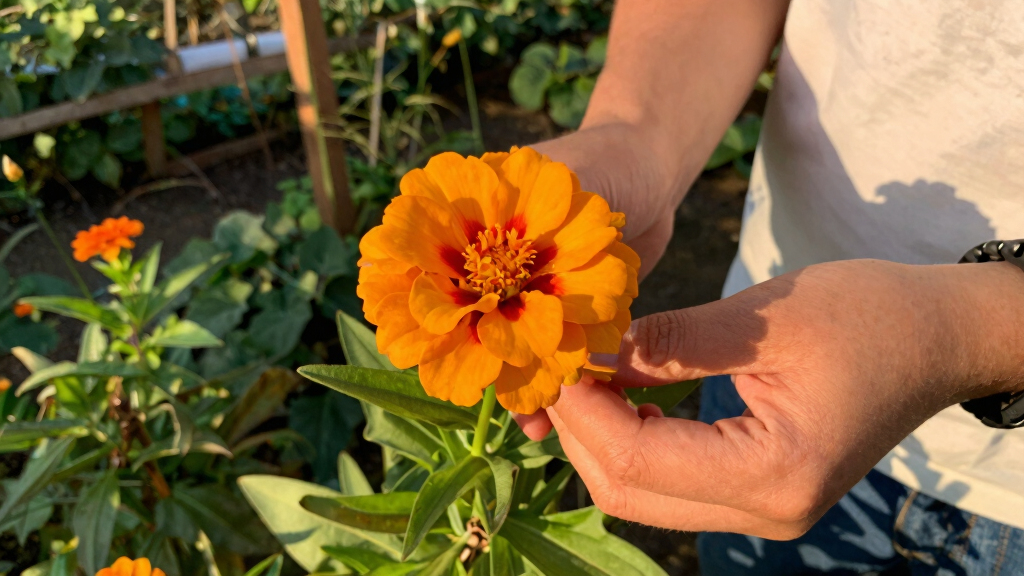
The flower in question is the California fuchsia (Epilobium canum), which has been observed to emit scents that squirrels find unappealing. According to a report from the University of California’s Department of Ecology, experiments showed that squirrels avoided areas planted with this flower, reducing damage to gardens and crops. Experts suggest that the flower’s natural scent acts as a deterrent without harming the animals or the environment. This discovery offers a potential alternative to lethal traps, aligning with humane pest management practices. The research team emphasizes that while the flower is promising, further studies are needed to determine its effectiveness across different environments and squirrel populations.Potential Shift Toward Humane Squirrel Deterrence
This development matters because it offers gardeners and conservationists a more humane, environmentally friendly way to manage squirrel populations. Traditional traps often raise ethical concerns and can harm non-target species. The use of natural plant-based deterrents like California fuchsia could lead to widespread adoption of eco-friendly pest control methods, reducing reliance on lethal traps and chemical repellents. Additionally, this approach aligns with growing public interest in sustainable gardening and wildlife conservation, potentially influencing policy and gardening practices worldwide.California fuchsia plant for squirrel deterrent
As an affiliate, we earn on qualifying purchases.
As an affiliate, we earn on qualifying purchases.
Background on Squirrel Deterrent Methods and Recent Discoveries
Historically, gardeners have relied on traps, chemical repellents, and physical barriers to control squirrel damage. These methods often face criticism for ethical concerns, environmental impact, or limited effectiveness. Recent years have seen increased interest in natural deterrents, including scents and plants that repel pests without harming them. The discovery of the squirrel-repelling properties of California fuchsia builds on previous research into plant-based pest control solutions. While some plants like garlic and peppermint have been tested, California fuchsia’s effectiveness appears promising based on initial trials. Experts note that such natural solutions could complement or replace existing methods, especially in eco-conscious gardening communities.“The scent emitted by California fuchsia appears to be highly effective at deterring squirrels without causing them harm. This could be a game-changer in humane pest management.”
— Dr. Lisa Montgomery, lead researcher at UC Berkeley
Effectiveness Across Different Environments Still Unconfirmed
While initial studies are promising, it is not yet clear how well California fuchsia will perform in various climates or in gardens with different squirrel populations. Further research is needed to confirm its long-term effectiveness and practicality for widespread use.Further Field Trials and Potential Commercial Adoption
Researchers plan to conduct larger-scale field trials across diverse regions to validate the flower’s deterrent effects. If successful, nurseries and garden centers may begin offering California fuchsia as a natural pest control option. Policymakers and environmental groups could also promote its use as part of sustainable gardening initiatives. Meanwhile, scientists will continue studying the specific compounds responsible for the scent to develop even more targeted natural repellents.Key Questions
Can California fuchsia completely replace traps for squirrels?
It is too early to say whether the flower can fully replace traps. Current research indicates it is effective as a deterrent, but more studies are needed to confirm its reliability across different settings.
Is California fuchsia safe for other wildlife and pets?
Based on current knowledge, California fuchsia is a native plant that does not pose known risks to other wildlife or pets. However, further research will clarify its safety profile in diverse environments.
How quickly can gardeners expect to see results using this flower?
Initial observations suggest squirrels avoid areas with California fuchsia within days of planting. Long-term effectiveness will depend on local conditions and squirrel behavior.
Where can I find California fuchsia for my garden?
California fuchsia is available at many native plant nurseries and garden centers, especially in regions where it is naturally found. Its cultivation requires well-drained soil and full sun.
Are there any other natural plants known to repel squirrels?
Some plants like garlic, peppermint, and hot peppers have been tested for squirrel deterrence, but their effectiveness varies. California fuchsia is among the first to show consistent promise as a natural deterrent.
Source: rss