TL;DR
Many gardeners notice their dahlia flowers fading in September. Experts suggest that environmental stress, pests, and watering issues are key factors, and offer tips to extend bloom life.
Many gardeners are experiencing fading blooms on their dahlias in September, a common phenomenon at this time of year. Experts confirm that environmental factors, pests, and watering practices contribute to late-season bloom drop, making it a concern for those wanting to maximize their garden’s display before the first frosts.
According to horticultural specialists, the primary reasons for dahlia flowers fading in September include environmental stressors such as high temperatures, drought conditions, and sudden weather changes. Additionally, pests like aphids and fungal diseases can weaken plants, leading to premature flower decline. Proper watering, pest management, and fertilization are recommended to extend bloom longevity.
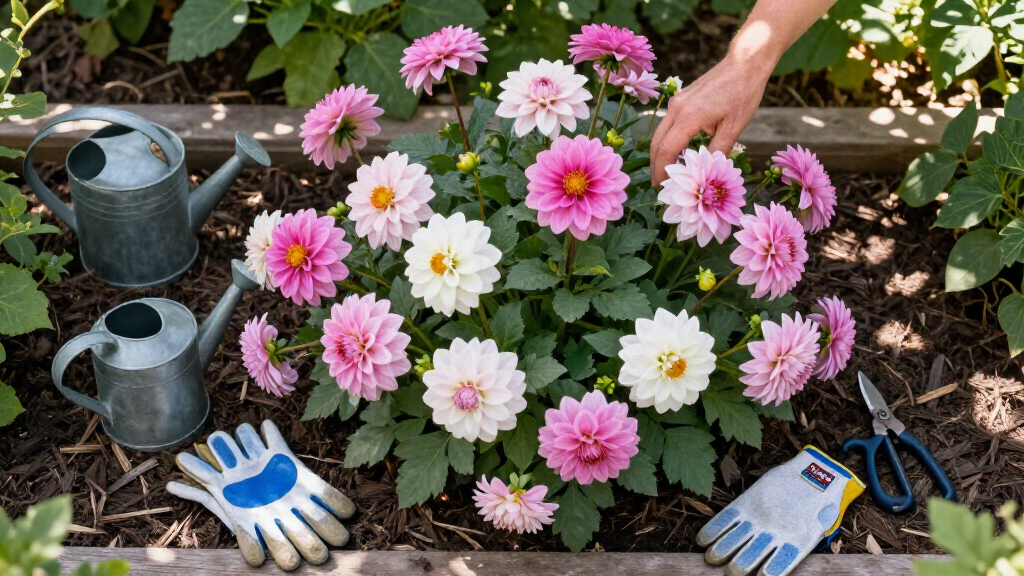
Gardeners should also be aware that dahlias naturally slow their blooming cycle as the season progresses, but certain cultural practices can mitigate early fading. For example, providing consistent moisture, mulching to regulate soil temperature, and removing spent flowers can encourage continued blooming. Experts emphasize that these measures are confirmed to help maintain flower vigor during late summer and early fall.
Impacts on Garden Aesthetics and Garden Planning
This trend matters because late-season dahlia blooms significantly enhance garden aesthetics during September, a time when many other flowers have faded. Understanding the causes behind bloom drop allows gardeners to implement effective strategies to prolong flowering, maximizing their garden’s visual appeal. Moreover, managing late-season decline can improve overall plant health, reducing the risk of pests and disease that often accompany weakened plants. For commercial growers, maintaining vibrant dahlias can also impact sales and customer satisfaction. Recognizing these factors helps gardeners plan for a more extended flowering period and better prepare for seasonal transitions.As an affiliate, we earn on qualifying purchases.
Typical September Decline in Dalia Blooms and Seasonal Patterns
Dahlias are known for their vibrant summer blooms, but it is common for flowers to fade as the season advances into September. This natural decline is influenced by decreasing daylight hours, temperature fluctuations, and the plant’s genetic cycle. Historically, gardeners have observed that without intervention, dahlias tend to reduce flowering naturally as they approach dormancy. Recent interest in extending bloom periods has increased attention to cultural practices that can delay this process. While some decline is inevitable, current trends show that environmental management can help prolong the display. The spike in coverage and search interest suggests many gardeners are seeking solutions for late-season bloom retention, although the precise triggers for this increased concern are still unconfirmed.Unconfirmed Causes and Seasonal Variability Factors
It is not yet clear whether specific weather patterns or soil conditions universally trigger early bloom drop across different regions. The precise impact of late-season pests or diseases and their interaction with environmental stressors remains under study. While general advice is confirmed, individual garden responses can vary, and ongoing research aims to clarify these uncertainties.Next Steps for Gardeners and Ongoing Research
Gardeners are advised to implement proven practices such as consistent watering, deadheading, and pest control to extend blooms. Researchers plan to further investigate regional differences and the impact of climate variability on late-season flowering. Monitoring local weather trends and adjusting cultural practices accordingly will help optimize bloom longevity. Additionally, new varieties bred for extended flowering may become available in future seasons, offering longer-lasting garden displays.Key Questions
Why do my dahlia flowers fade so early in September?
Confirmed factors include environmental stress from heat and drought, pests like aphids, and natural seasonal decline. Proper watering, pest control, and deadheading can help extend bloom life.
Can I prevent my dahlias from fading in September?
While natural decline is inevitable, gardeners can delay fading by maintaining consistent moisture, removing spent flowers, and managing pests. These practices are supported by horticultural experts.
Are there specific dahlia varieties that bloom longer?
Some newer hybrid varieties are bred for extended flowering, but overall, environmental management remains key to prolonging blooms in late season.
What weather conditions most affect dahlia bloom longevity?
High temperatures, sudden cold snaps, and irregular rainfall are confirmed to accelerate bloom fading. Stable, moderate conditions help maintain flowers longer.
Is this bloom drop a sign of declining plant health?
Not necessarily. While bloom decline can indicate stress, it is often a natural part of the plant’s seasonal cycle. Proper cultural care can mitigate premature fading.
Source: rss