
TL;DR

Get garden gear delivered free with Prime
- Fast, free delivery on millions of items
- Prime Video, Amazon Music and more included
- Member-only deals all year
Gardening interest in lavender care peaks in September as gardeners prepare for next year’s blooms. Experts recommend five key tasks, including pruning and soil care, to improve lavender health and fragrance. These steps are confirmed as effective, but some specific timing details remain uncertain.
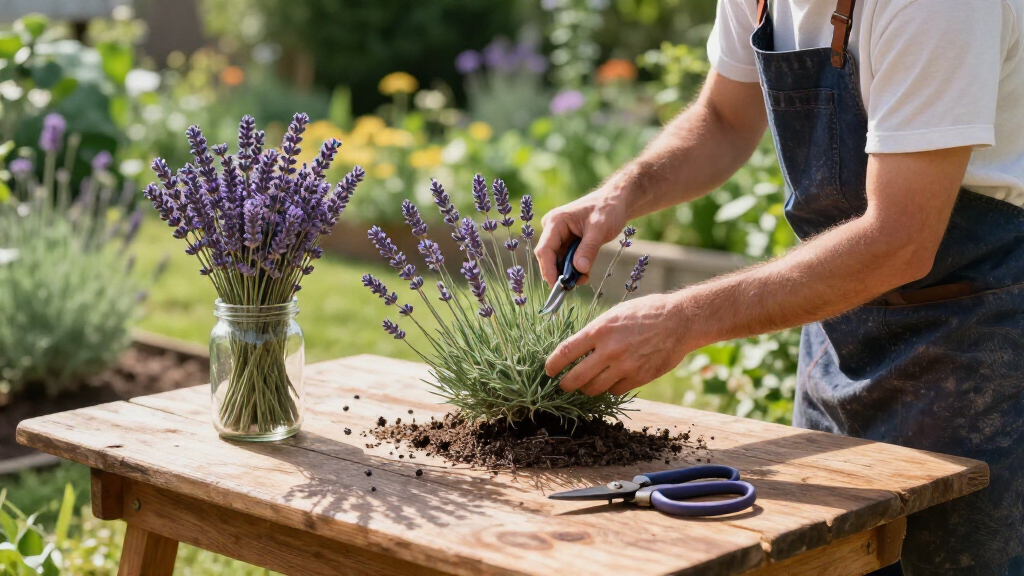
Gardening enthusiasts are increasingly focusing on lavender care in September, with five specific tasks confirmed to help improve plant health and fragrance for next year’s blooms. Pruning lavender now can be especially beneficial. These practical steps, recommended by horticultural experts, are designed to optimize lavender’s growth cycle as the growing season winds down.
Lavender growers are advised to prune, harvest, and prepare their plants during September to promote better flowering and stronger growth in the following season. Experts emphasize that pruning now encourages bushier, more resilient plants, while soil amendments can improve drainage and nutrient availability. Additionally, removing spent flower heads and mulching can protect lavender from early autumn weather and pests.
Interest in lavender cultivation has spiked recently, driven by a trend toward home gardening and natural aromatherapy products. While these recommendations are based on established horticultural principles, the exact timing and methods may vary depending on local climate conditions. Some sources suggest pruning should be completed by mid-September, but precise dates are still being discussed among gardening communities.
Why September Care Matters for Future Lavender Blooms
Properly caring for lavender in September can significantly influence the quality and fragrance of next year’s blooms. Healthy, well-maintained plants are more resistant to pests and diseases, and they produce more vibrant flowers. As interest in home-grown lavender continues to grow, following these confirmed tasks helps gardeners maximize their harvest and enjoy more fragrant, resilient plants in years to come.As an affiliate, we earn on qualifying purchases.
September Gardening Practices for Lavender
Lavender is a popular perennial herb known for its fragrant flowers and drought tolerance. Traditionally, September is seen as a critical month for preparing lavender for winter and encouraging robust growth for the next season. Recent trends show increased search interest in lavender care, driven by the rise of home gardening and aromatherapy. Experts recommend specific tasks like pruning, soil improvement, and harvesting, but exact timings can vary based on climate zones. While these practices are well-established, some details, such as the ideal pruning window, remain under discussion among horticulturists.Unconfirmed Details About Optimal Timing and Methods
While the core tasks are confirmed, the exact timing for pruning and soil amendments varies by climate zone. Some sources suggest mid-September, but local conditions may influence the best window. Additionally, specific soil preparation techniques are still under discussion among experts, with no universally agreed-upon protocol yet established.Next Steps for Lavender Care and Growing Success
Gardeners should monitor local weather and consult regional gardening guides to fine-tune their September tasks. Completing pruning, harvesting, and soil prep now can set the stage for healthier, more fragrant lavender blooms next summer. As the season progresses, observing plant response will help refine future care routines. Experts recommend documenting results to improve practices over time.Key Questions
When is the best time to prune lavender in September?
Most experts suggest pruning lavender between early and mid-September, but this can vary depending on local climate and weather conditions. Monitoring the plant’s growth and avoiding pruning during periods of heavy rain or frost is advised.
Can I harvest lavender in September?
Yes, September is an ideal time to harvest lavender, especially after the flowers have fully opened. Harvesting now encourages new growth and prepares the plant for winter.
What soil improvements are recommended for lavender in September?
Adding well-draining soil amendments, such as sand or gravel, can improve drainage. Testing soil pH and adjusting to slightly alkaline levels (around pH 6.5-7.5) is also recommended for optimal growth.
Is mulching necessary for lavender in September?
Applying a light layer of mulch can protect the roots from early cold snaps and suppress weeds. Organic mulches like straw or pine bark are suitable options.
Are there any common mistakes to avoid in September lavender care?
Overwatering, pruning too late in the season, or using heavy, poorly draining soil can harm lavender plants. It’s important to follow regional advice and avoid cutting back too close to the woody stems.
Source: rss
Halloween Picks
halloween
As an affiliate, we earn on qualifying purchases.