TL;DR

Get garden gear delivered free — and shop member deals
- Fast, free delivery on millions of items
- Access to Prime Big Deal Days deals on October 6–7
- Prime Video, Amazon Music and more included
Interest in ornamental grasses that hit their stride in late summer and autumn is spiking, according to emerging coverage signals. The specific trigger is unconfirmed, but the topic reflects a long-established gardening pattern: grasses provide color, texture, and movement when other plants fade.
Interest in ornamental grasses that reach their peak in late summer and autumn is rising, according to emerging coverage signals, as gardeners look for plants that perform when many summer blooms begin to fade. The specific trigger for the spike is unconfirmed, but the topic taps into a well-established gardening principle: certain grasses deliver color, texture, and movement in the season when other plants decline.
The trend centers on six ornamental grasses that reportedly “hit their stride” in the late-season window, a period when many annuals and perennials lose their visual punch. Coverage signals suggest readers are actively seeking guidance on which grasses to plant for autumn and early-winter interest, though the specific varieties named in the original material are not verified in this report.
Ornamental grasses are long-established garden staples, valued for their clumping growth, feathery plumes, and ability to hold structure well into winter. Many species are perennials that emerge in spring, grow through summer, and produce their most dramatic seed heads and foliage color as temperatures cool — a trait that makes them reliable candidates for late-season gardens.
The rising interest appears to be seasonal and practical, aligning with the transition from summer to autumn when gardeners reassess their borders. The coverage signal does not specify whether the interest is driven by new plant introductions, a specific garden event, or broader seasonal content, and that trigger remains unconfirmed.
Why Late-Season Grasses Matter Now
The significance lies in the gardening calendar itself: as summer annuals fade and perennials die back, gardens can lose color and structure. Ornamental grasses that peak in autumn offer a reliable way to extend visual interest, often requiring minimal maintenance and providing habitat for wildlife through winter.
For gardeners, the trend signal points to a practical need — selecting plants that deliver a return on investment in the months when the garden is most often neglected. Grasses also pair well with late-blooming perennials like sedums and asters, making them a logical addition to autumn-focused planting plans.
The interest also reflects a broader shift toward low-maintenance, sustainable gardening, where plants that provide multi-season value are increasingly favored over short-lived annual displays.
The Established Role of Grasses in Gardens
Ornamental grasses have been garden staples for decades, prized for their versatility in borders, containers, and naturalistic plantings. They range from compact clumps suitable for small spaces to tall, sweeping specimens that serve as focal points or screening plants.
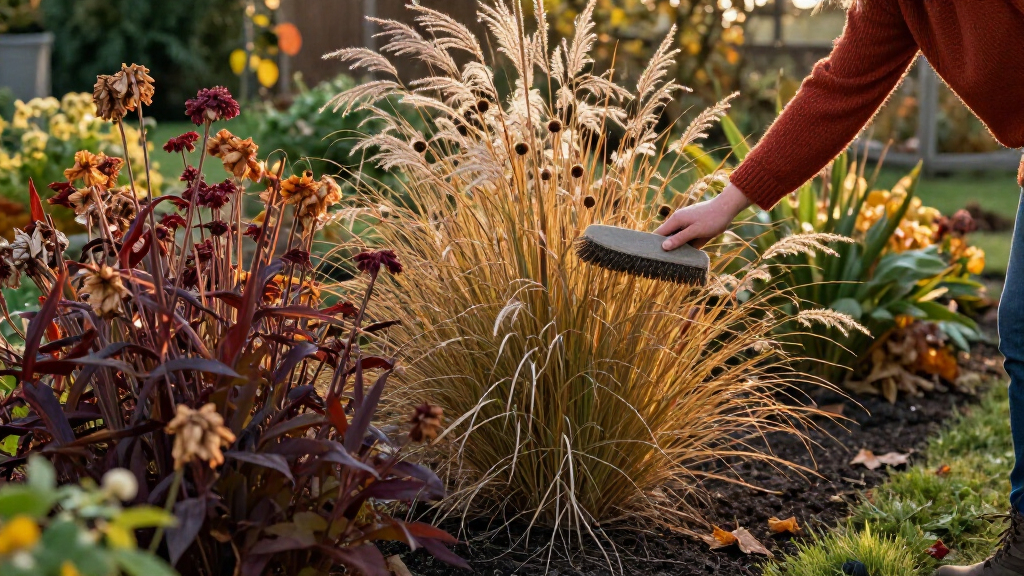
Many grasses are drought-tolerant once established and thrive in a wide range of soil types, making them accessible to gardeners at different skill levels. Their late-season performance — including seed heads that catch low autumn light and foliage that shifts to gold, bronze, or red — is a documented characteristic of species such as switchgrass, fountain grass, and miscanthus, though the specific six grasses in the trending coverage are not confirmed here.
The seasonal pattern is well known: spring and early summer belong to flowering perennials, while late summer and autumn belong to grasses and late-blooming perennials. This is why grass-focused content tends to surface in coverage cycles as the season turns.
What Remains Unconfirmed About the Trend
The specific trigger for the rising interest is unconfirmed. It is not yet clear whether the spike stems from a new plant introduction, a viral social media post, a garden show, or simply seasonal editorial scheduling.
The identities of the six grasses named in the original coverage are not verified in this report, and no specific cultivars, planting recommendations, or care instructions from the source material can be confirmed. Details about geographic relevance, hardiness zones, and the intended audience of the original content also remain unknown.
Expect More Grass Coverage as Autumn Advances
As autumn progresses and gardens transition, coverage of late-season ornamental grasses is likely to continue. Garden media typically publishes seasonal planting and design content ahead of peak planting windows, and the current signal suggests editors and readers are focusing on grasses now.
Gardeners seeking specific recommendations should look for region-specific guidance from local extension services, botanical gardens, and reputable nurseries, which can confirm which grasses perform best in their hardiness zone. The trend signal itself does not provide planting advice, and any specific variety claims should be verified before purchase.
Key Questions
Why do ornamental grasses look better in late summer and autumn?
Many ornamental grasses are warm-season perennials that grow actively through summer and produce their most dramatic seed heads, plumes, and foliage color as temperatures cool in late summer and autumn. The lower light angle also makes their translucent seed heads and textured foliage more visible, adding movement and interest to the garden.
Are ornamental grasses high maintenance?
Most ornamental grasses are low maintenance once established. They typically require minimal watering, tolerate a range of soil conditions, and need only an annual cutback in late winter or early spring before new growth begins. Some species can self-seed, so deadheading or cutting back can help control spread.
Do ornamental grasses provide winter interest?
Yes. Many grasses hold their dried foliage and seed heads through winter, providing structure, texture, and movement in the garden when most other plants are dormant. They also offer shelter for birds and beneficial insects during the colder months.
Can ornamental grasses be grown in containers?
Yes, many compact ornamental grasses grow well in containers, provided the pot has good drainage and the plant is suited to the container’s size. Container-grown grasses may need winter protection in colder climates, as roots are more exposed to freezing temperatures than they would be in the ground.
Are ornamental grasses safe for pets and children?
Most ornamental grasses are not considered highly toxic to pets or children, but sharp-edged foliage on some species can cause minor cuts, and ingestion of large amounts could cause digestive upset. It is always prudent to supervise pets and children around garden plants and to check specific species with a local nursery or poison control resource.
Source: rss
Fall Picks
fall essentials
As an affiliate, we earn on qualifying purchases.