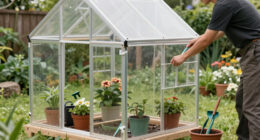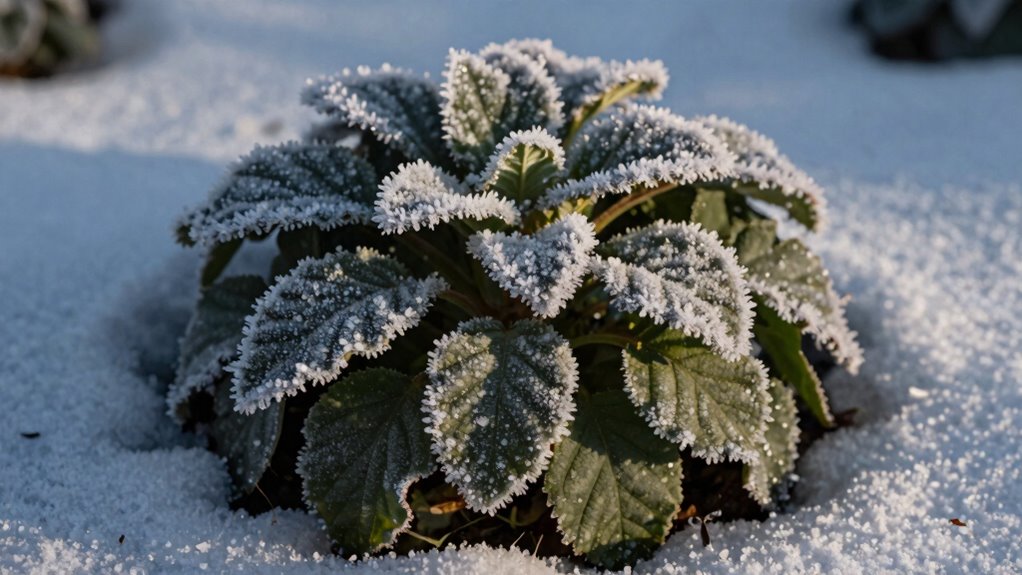

Overwintering plants need a different lighting plan because they experience reduced natural sunlight and shorter days during colder months. Without enough light, they may become leggy, stressed, or fail to thrive. Using artificial grow lights guarantees consistent light levels that mimic natural cycles, supporting healthy growth or dormancy. Adjusting your lighting setup helps prevent issues like etiolation and keeps your plants happy through winter. Keep exploring to find out how to optimize your plant care during this time.

Get garden gear delivered free — and shop member deals
- Fast, free delivery on millions of items
- Access to Prime Big Deal Days deals on October 6–7
- Prime Video, Amazon Music and more included
Key Takeaways
- Overwintering plants require specific light conditions to prevent etiolation and support their dormancy or growth phases.
- Natural winter sunlight is limited, so supplemental grow lights ensure adequate light exposure indoors.
- Different plants have unique light spectrum needs that are best met with tailored grow light setups.
- Adjusting light duration and intensity mimics natural cycles, promoting health and preventing stress.
- Proper lighting helps maintain plant vitality and readiness for spring growth after winter dormancy.
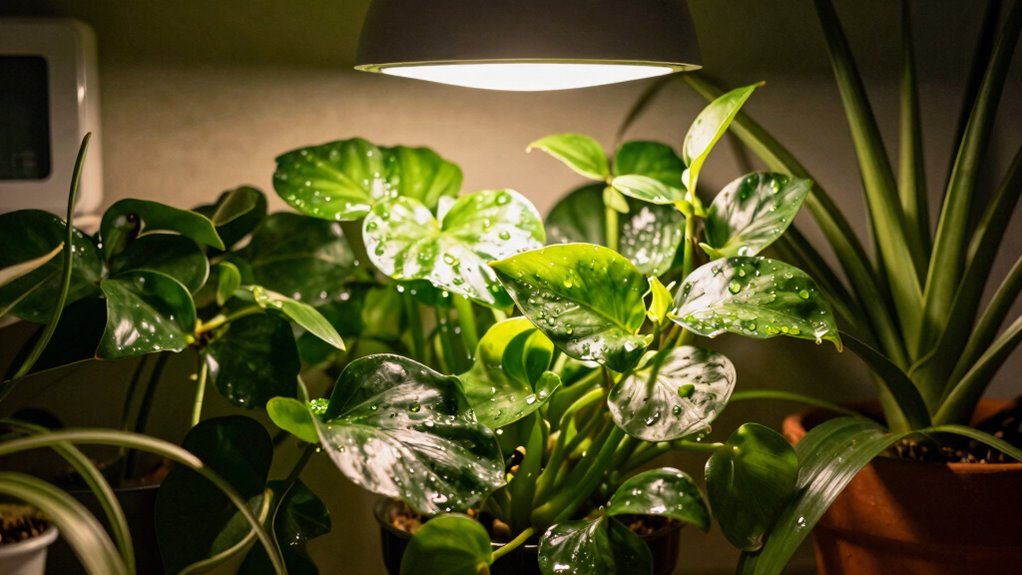
Have you ever wondered how to keep your overwintering plants healthy and thriving indoors? During the colder months, outdoor plants receive less sunlight, and their growth slows down naturally. When you bring them inside, they’re no longer exposed to the same natural light cycles they depend on. That’s why they need a different lighting plan to adapt to their new environment. Relying solely on natural light might not provide enough brightness or the right spectrum for your plants to stay healthy. This is where indoor grow lights come into play.
Indoor grow lights are vital tools for maintaining the right light levels, especially when natural sunlight is limited. Unlike outdoor sunlight, which varies throughout the day and year, artificial lights can be controlled to meet your plants’ specific needs. You need to mimic their natural light cycles as closely as possible, which means providing consistent and appropriate light duration and intensity. Many plants require a certain number of hours of light each day to stay healthy, and during winter, natural daylight often falls short. By using indoor grow lights, you can extend their exposure and guarantee they get the necessary light to sustain their growth or dormancy periods.
It’s important to understand that not all grow lights are created equal. Some emit a broad spectrum of light, including wavelengths that plants need for photosynthesis, while others may be less effective. Choose lights that are designed specifically for plant growth, such as LED grow lights, which are energy-efficient and produce minimal heat. Positioning your lights correctly is equally important. Keep them at the right distance from your plants to prevent stretching or burn, and set a schedule that aligns with their natural light cycles. Usually, this means providing around 12-16 hours of light per day during the winter months, depending on the plant’s needs.
While natural light is ideal when available, it’s often insufficient during winter. You can’t just rely on the sun shining through your windows, especially if your house has limited southern exposure. That’s when supplementing with indoor grow lights becomes vital. They help recreate the natural conditions your plants are used to, supporting healthy growth or dormancy as needed. By adjusting your lighting setup to match their natural light cycles, you give your overwintering plants the best chance to stay vigorous and ready to flourish again when spring arrives. Additionally, understanding the importance of natural light cycles can help you optimize your indoor lighting strategy for your plants’ health. Incorporating artificial lighting that mimics outdoor conditions can significantly enhance your plant care routine.
Another key aspect is understanding how light spectrum influences plant growth, ensuring you choose the right type of grow lights to support your specific plant varieties. Proper light management can also prevent issues like etiolation or stress in your plants, ensuring they remain healthy throughout the winter months.
LED grow lights for indoor plants
As an affiliate, we earn on qualifying purchases.
As an affiliate, we earn on qualifying purchases.
Frequently Asked Questions
Can Artificial Light Replace Natural Sunlight Outdoors During Winter?
Artificial sunlight can’t fully replace natural sunlight outdoors during winter. While it provides some light for winter growth, it lacks the full spectrum and intensity of natural sunlight, which plants need for ideal health. You can supplement with artificial light, but outdoor natural light remains essential for overwintering plants. Relying solely on artificial sunlight may hinder healthy winter growth, so it’s best to combine both when possible.
How Do I Adjust Lighting for Different Types of Overwintering Plants?
Did you know that most plants enter dormancy with reduced light needs? To adjust lighting for different overwintering plants, you’ll want to tailor the light spectrum and duration, as some require low-intensity, red-shifted light to mimic winter conditions. For example, deciduous trees need less light, while evergreens benefit from a broader spectrum. You should observe your plants’ responses and fine-tune your setup accordingly.
Is There an Ideal Duration for Supplemental Lighting Each Day?
You should provide about 12-16 hours of supplemental lighting daily to mimic the seasonal light shift, which helps overwintering plants stay healthy. This duration acts as a plant dormancy cue, preventing premature growth and ensuring they conserve energy during colder months. Adjust the lighting based on the specific plant’s needs and local daylight hours, and consider using timers to maintain a consistent schedule for ideal overwintering success.
What Are the Risks of Over-Illuminating Overwintering Plants?
Like Icarus flying too close to the sun, over-illuminating your plants risks harm. Excessive light intensity can cause leaf scorch and stress, while too long a light duration disrupts their natural dormancy cues. This imbalance may lead to weakened growth or premature flowering, ultimately harming your overwintering plants. To keep them healthy, maintain appropriate light intensity and duration, mimicking natural conditions without crossing into danger.
How Does Indoor Temperature Affect Lighting Needs for Overwintering Plants?
Indoor temperature influences your overwintering plants’ light needs because it affects their dormancy cycle. When temperatures drop, plants enter dormancy, requiring less light intensity to conserve energy. Conversely, warmer indoor conditions may prompt plants to break dormancy, needing more light to support growth. Modifying light levels accordingly guarantees your plants stay healthy, mimicking natural seasonal changes and preventing stress caused by mismatched light and temperature conditions.
Conclusion
So, savvy gardeners, see the significance of a specific, subtle lighting strategy for your overwintering plants. By balancing brightness and duration, you bolster their bravery against the bleak, barren winter days. Remember, proper planning and pinpointed placement can prevent poor plant performance and promote powerful, persistent growth. Stay strategic, stay savvy, and let your plants thrive through the winter’s wonder with well-woven, wonderful lighting!
Fall Picks
fall essentials
As an affiliate, we earn on qualifying purchases.