
TL;DR

Get garden gear delivered free with Prime
- Fast, free delivery on millions of items
- Prime Video, Amazon Music and more included
- Member-only deals all year
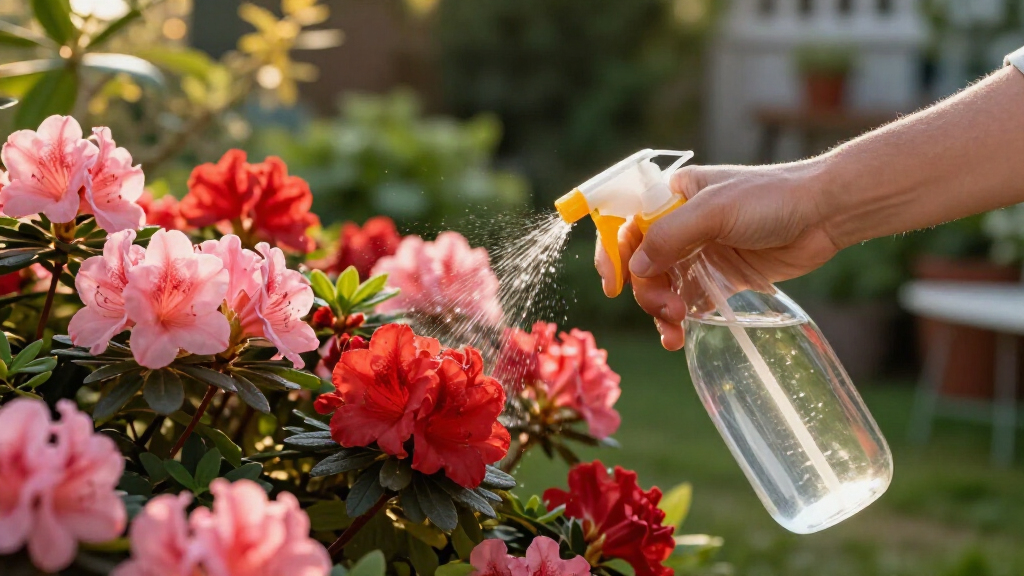
Gardeners should fertilize azaleas and rhododendrons in late summer with a specialized acid-loving plant fertilizer. This practice promotes healthier growth and more vibrant blooms next year. The advice is based on horticultural recommendations, but specific timing and fertilizer type are still being refined.
Horticultural experts recommend that gardeners apply a specialized acid-loving plant fertilizer to azaleas and rhododendrons in late summer to promote healthier growth and more vibrant blooms next year. This targeted fertilization is considered a key step for maximizing flowering potential, according to recent guidance from plant care specialists.
According to horticultural sources, applying a fertilizer formulated for acid-loving plants in late summer helps improve nutrient uptake and encourages strong bud development for the following season. Experts emphasize that timing is critical; fertilizing too early or too late may reduce effectiveness or harm the plants. The recommended fertilizer typically contains nitrogen, phosphorus, and potassium in balanced proportions, along with trace minerals to support overall health.
Gardeners are advised to apply the fertilizer when the plants have finished their main flowering cycle, usually in late July or early August, depending on regional climate. The application should be done according to package instructions, often involving spreading the fertilizer around the drip line of the shrub and watering thoroughly afterward. This practice is supported by horticultural organizations like the University of Georgia Cooperative Extension and the Royal Horticultural Society.
How Late Summer Fertilization Boosts Next Year’s Blooms
This late summer fertilization practice can significantly influence the amount and quality of blooms in the following year. Proper nutrition during this period helps strengthen plant roots, supports healthy bud formation, and enhances overall vigor. For gardeners, understanding and implementing this step can lead to more spectacular displays of colorful flowers and healthier plants, reducing the need for additional interventions in spring.
Products Worth Considering

Husqvarna 130 Gas-Powered Chainsaw, 16 Inch

Yardenaler 6 x 10 ft Wooden Walk-In Greenhouse with 6 mm Polycarbonate Panels

EGO Power+ LB8803-2 Cordless Leaf Blower with Two Batteries
As an affiliate, we earn on qualifying purchases.
Timing and Fertilizer Choices for Optimal Flowering
Historically, azaleas and rhododendrons have been known to benefit from specific fertilization schedules aligned with their growth cycles. Experts have long recommended fertilizing in early spring, but recent advice emphasizes the importance of late summer feeding. This shift is based on research indicating that late-season nutrients help plants prepare for the next year’s flowering. The recommended practice involves using fertilizers with a low pH preference, tailored for acid-loving plants, and applying them when plants are not actively blooming.
“Applying a specialized fertilizer in late summer can make a noticeable difference in the quantity and vibrancy of blooms next year. Timing and product choice are key.”
— Dr. Susan Green, horticultural expert at the University of Georgia
Uncertainties About Fertilizer Types and Application Timing
While experts agree on late summer fertilization, specific recommendations regarding the exact fertilizer formulations and precise timing vary. Some sources suggest using organic options, while others recommend synthetic fertilizers. It is also unclear whether regional climate differences significantly alter the optimal timing or product choice. Further research is ongoing to refine these guidelines for different growing zones.
Next Steps for Gardeners and Researchers
Gardeners are advised to follow regional guidelines and consult local extension services for tailored advice. Researchers are studying the long-term effects of late summer fertilization on bloom quality and plant health, with results expected in the coming years. Additionally, industry experts plan to develop more precise products and application schedules to optimize flowering in diverse climates.
Key Questions
When is the best time to fertilize azaleas and rhododendrons in late summer?
Most experts recommend applying fertilizer in late July to early August, after the main flowering period, but timing may vary based on regional climate and specific plant varieties.
What type of fertilizer should I use for azaleas and rhododendrons?
Use a fertilizer formulated for acid-loving plants, typically with a balanced ratio of nitrogen, phosphorus, and potassium, and designed for use in late summer.
Can I use organic fertilizer instead of synthetic?
Yes, organic options like composted manure or specialized acid-loving plant fertilizers are suitable, but ensure they contain the right nutrients and are applied at the correct time.
Will fertilizing late in summer harm my plants?
If applied according to instructions and at the appropriate time, late summer fertilization should not harm plants and can improve next year’s blooms. Over-fertilizing or incorrect timing can be detrimental, so follow expert guidance.
Does late summer fertilization replace spring feeding?
No, it complements spring fertilization. Both are important for overall plant health and flowering, but late summer feeding specifically supports bud development for the next season.
Source: rss