
The best time to shift seedlings out of a greenhouse is when they have strong stems, healthy leaves, and are gradually acclimated to outdoor conditions through hardening. You should wait until outdoor daytime temperatures are consistently between 60-75°F and nights stay above 50°F. Start hardening by exposing your seedlings gradually over a week or two, avoiding harsh weather. Want to discover more tips for a successful transplant? Keep going to learn how to make the process easy and stress-free.
Key Takeaways
- Transition seedlings when outdoor temperatures are consistently between 60-75°F during the day and above 50°F at night.
- Begin hardening-off process at least 7-14 days before transplanting, gradually increasing outdoor exposure.
- Avoid moving seedlings during days with extreme weather, heavy rain, or strong winds.
- Wait until seedlings show healthy growth with strong stems and vibrant leaves before outdoor transition.
- Monitor weather forecasts and choose calm, mild days for initial outdoor exposure.
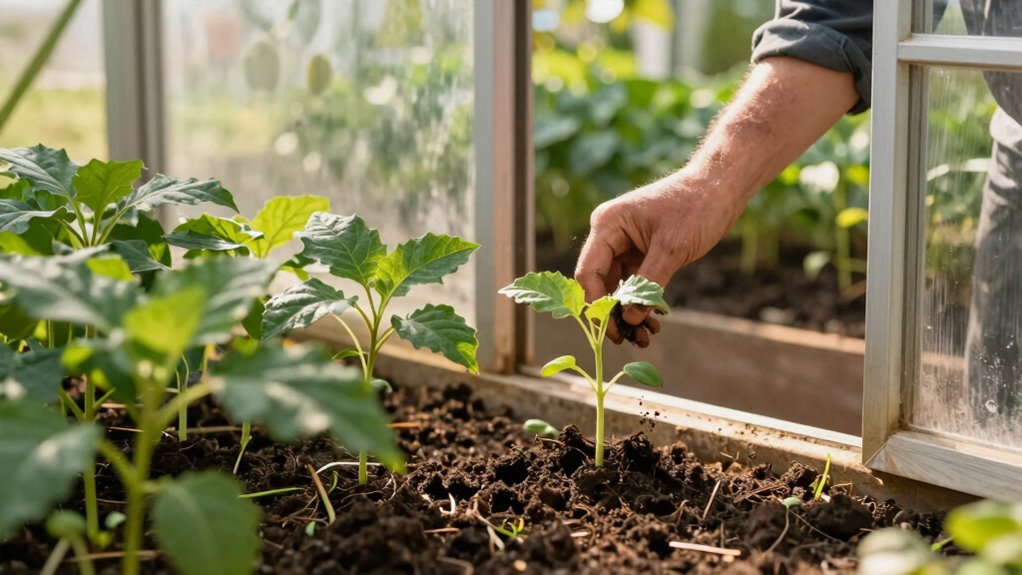
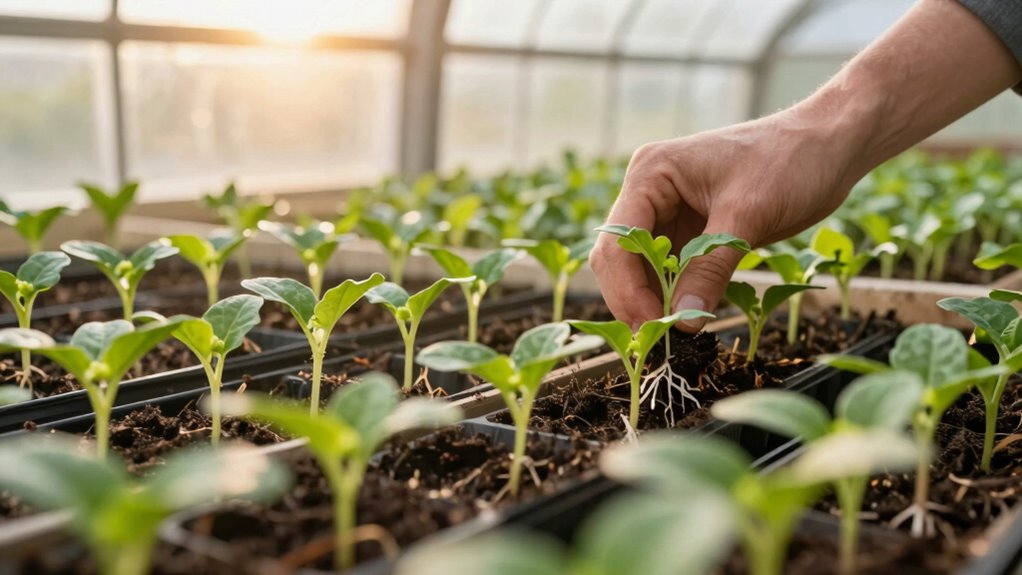
Knowing when to shift your seedlings out of a greenhouse is vital for their healthy growth. Changing them too early can expose them to harsh outdoor conditions, while waiting too long might hinder their development. The key is to recognize the signs that your seedlings are ready and to create an environment that prepares them for their outdoor life. This process, called plant hardening, gradually acclimates your plants to the temperature fluctuations and sunlight they’ll face outside. Proper plant hardening ensures your seedlings develop stronger stems and better resilience, reducing the risk of shock or disease once transplanted.
Temperature regulation plays a key role during this shift. Inside the greenhouse, the environment often maintains a stable, warm climate, which can make outdoor conditions seem intimidating to tender seedlings. As you prepare to move them, monitor the outdoor temperature regularly. Ideally, you want the daytime temperatures to stay around 60-75°F (15-24°C), with nighttime temperatures not dropping below 50°F (10°C). A gradual increase in exposure to these temperatures enables your seedlings to adapt without stress. If nights are still too cold, consider covering your plants with row covers or bringing them indoors during the coldest hours. Additionally, understanding the importance of biodiversity in your garden can help your seedlings thrive by promoting a resilient and balanced ecosystem. Incorporating diverse plants can also support pest management naturally, making your garden more resilient overall. Developing plant resilience is essential for long-term success and can be nurtured through careful environmental management.
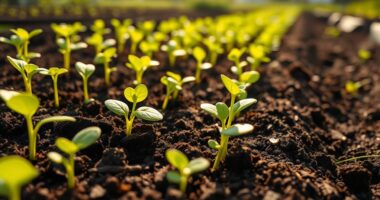
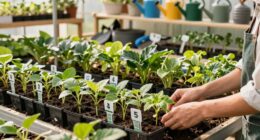
Another indicator that your seedlings are ready for outdoor life is their growth vigor. Healthy, robust seedlings with strong stems and healthy leaves are better equipped to handle the shift. Before moving them, harden them off by placing them outside in a shaded, protected area for a few hours daily, gradually increasing their exposure over a week or two. This helps your plants adjust to sunlight intensity, wind, and temperature fluctuations. Keep an eye on weather forecasts and avoid days with heavy rain, strong winds, or extreme temperatures, which can undo your hardening efforts. Gradually increasing outdoor exposure also allows your plants to develop resilience to environmental stresses. Remember, patience during this process pays off by ensuring your seedlings are fully prepared for outdoor conditions.

10 Plant Growing Trays (No Drain Holes) – 20" x 10" – Perfect Garden Seed Starter Grow Trays: for Seedlings, Indoor Gardening, Growing Microgreens, Wheatgrass & More – Soil or Hydroponic
- Package Quantity: 10 durable plastic trays
- Drain Holes: No drain holes for versatile use
- Multi-Purpose Use: Suitable for seed starting and hydroponics
As an affiliate, we earn on qualifying purchases.
As an affiliate, we earn on qualifying purchases.
Frequently Asked Questions
How Do I Prepare Seedlings for Outdoor Conditions?
To prepare your seedlings for outdoor conditions, start by gradually exposing them to outdoor light, increasing their time outside over a week to prevent shock. Make sure soil preparation by enriching it with compost, providing good drainage, and maintaining the right pH. Also, move seedlings to a sheltered spot initially to ease the shift. Adjust indoor lighting to match outdoor conditions as you acclimate your plants, strengthening their resilience before full outdoor exposure.
What Signs Indicate Seedlings Are Ready for Transition?
Did you know that seedlings show signs of readiness when they develop their first true leaves? You’ll want to look for sturdy stems and healthy foliage, indicating they’re strong enough for outdoor life. Before shifting, make certain pest prevention measures are in place and soil is well-prepared with proper nutrients. If seedlings tolerate gentle outdoor conditions without wilting or suffering stress, it’s a good sign they’re ready for the move.
Should I Harden off Seedlings Gradually or Abruptly?
You should harden off seedlings gradually rather than abruptly. Start by exposing them to outdoor conditions for a few hours daily, gradually increasing the time over a week. This process strengthens their resilience, especially after indoor growth. Make sure your soil is well-prepared with proper drainage and nutrients before transplanting. This approach minimizes stress and shock, helping your seedlings adapt smoothly to the outdoor environment.
How Does Weather Affect the Transition Timing?
Weather plays a vital role in timing your seedling shift. Did you know that wind can increase stress on plants by up to 50%? You should wait until soil moisture is consistent and the weather is mild, with minimal wind. Strong winds can damage tender seedlings, so make certain they’re protected with windbreaks. Shift during calm, mild weather to reduce shock and give your plants the best start outside.
What Tools or Materials Are Best for Hardening Seedlings?
You should use gentle watering techniques, like misting or soaker hoses, to avoid stressing your seedlings during hardening. Additionally, incorporate soil amendments such as compost or organic matter to improve soil drainage and aeration. Using shade cloths or row covers can also help gradually expose seedlings to outdoor conditions. These tools and materials prepare your plants for the shift, ensuring they develop stronger, more resilient roots before planting them outside permanently.
Conclusion
Knowing when to shift your seedlings from the greenhouse is like catching a wave at just the right moment—timing is everything. Keep an eye on weather conditions, seedling health, and growth stages, and you’ll ride this wave smoothly into the outdoors. When the time feels right, give your plants a gentle push into the world outside. With patience and care, you’ll nurture strong, thriving plants that are ready to face the great outdoors.