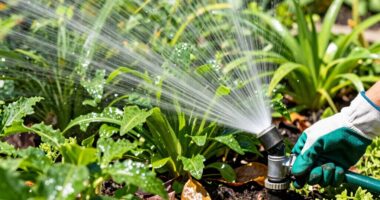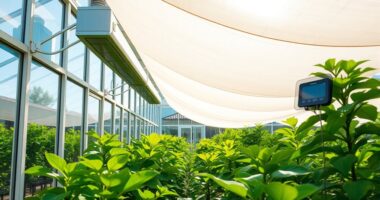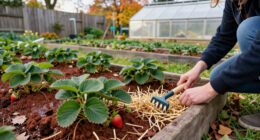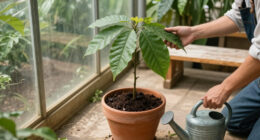
To avoid stacking too many upgrades into one greenhouse season, prioritize foundational changes like soil health, composting, or cover cropping first. Focus on completing these before adding upgrades like lighting or ventilation. Break your plan into phases with clear goals, and space out efforts to give yourself time to adapt. Avoid rushing multiple changes at once, as it can cause confusion and burnout. Stay strategic, and you’ll set yourself up for long-term success—more tips await if you keep exploring.

Get garden gear delivered free with Prime
- Fast, free delivery on millions of items
- Prime Video, Amazon Music and more included
- Member-only deals all year
Key Takeaways
- Prioritize foundational improvements like soil health before implementing major upgrades.
- Break upgrades into phased, manageable steps with clear goals for each period.
- Focus on ongoing tasks such as pest management and soil amendments first.
- Space out upgrades to allow adaptation and assess effectiveness before adding new changes.
- Consult experts and resources to guide strategic planning and avoid unnecessary or premature upgrades.
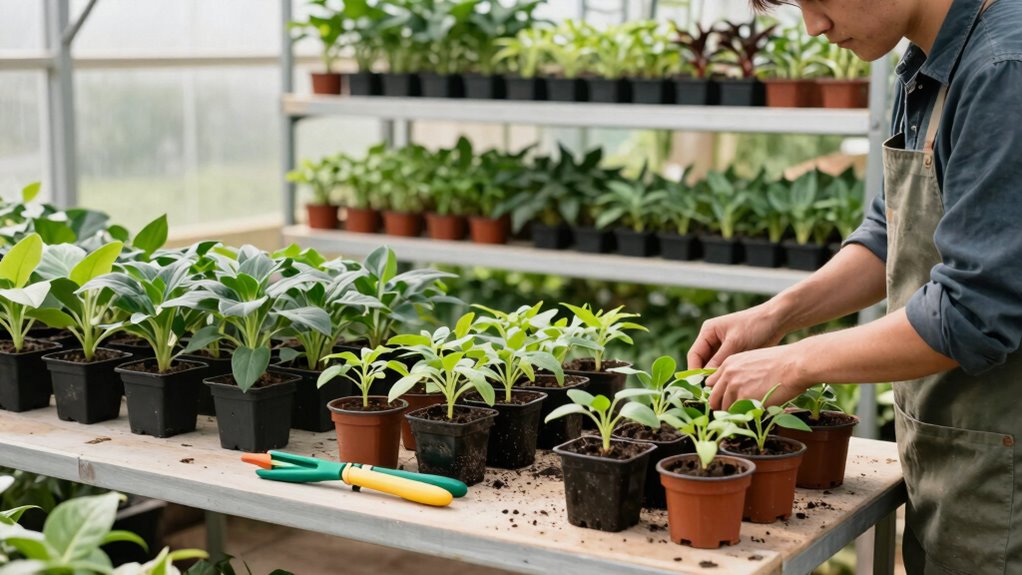
If you’re planning multiple upgrades for your greenhouse this season, it’s easy to get overwhelmed and try to tackle everything at once. But rushing through too many improvements can backfire, making it harder to achieve lasting results. The key is pacing yourself, prioritizing what’s most important, and avoiding burnout. Start by identifying the upgrades that will have the greatest impact on your overall success. For example, improving soil health often provides a solid foundation for healthy plants and better yields. Focusing on soil amendments, composting, or cover cropping can boost nutrient levels and structure, setting the stage for everything else you want to improve. Once soil health is addressed, you can move on to pest management strategies. If pests become a problem, they can undermine all your efforts, so establishing a good pest control plan early on helps prevent setbacks.
Prioritize soil health first for a strong foundation before tackling pests and other upgrades.
When planning your upgrades, take a step back and evaluate how each one interacts with the others. For instance, installing new lighting or ventilation might seem urgent, but if your soil isn’t healthy or pests are rampant, those upgrades won’t deliver their full benefits. Prioritize upgrades that strengthen your base, then layer on additional improvements gradually. Implementing too many changes at once can lead to confusion and make it difficult to measure what’s working and what isn’t. It’s better to make one or two adjustments, observe their effects over a few weeks, and then move on to the next step. Additionally, understanding the interconnectedness of ecosystem components can help you develop a more balanced upgrade plan. Recognizing how different elements of the system influence each other allows for more strategic planning and sustainable growth.
Another way to prevent overload is to set realistic timelines. Break your upgrade plan into phases, with clear goals for each period. This approach keeps you focused and ensures you don’t stretch yourself too thin. Remember that some upgrades, like soil health and pest management, require ongoing attention rather than one-time fixes. By spacing out your efforts, you give yourself time to adapt and refine your techniques. Also, don’t forget to consult resources or experts when needed. A well-informed approach will save you from costly mistakes and help you prioritize upgrades more effectively. Additionally, understanding the importance of integrated pest management can help you develop a comprehensive strategy that minimizes chemical use while maintaining plant health.
Ultimately, the goal is to improve your greenhouse steadily without sacrificing quality or your sanity. Taking deliberate, incremental steps allows you to better manage soil health, keep pests at bay, and ensure each upgrade contributes to a thriving environment. When you resist the temptation to do everything at once, you give each enhancement the chance to succeed, making your greenhouse more productive and enjoyable in the long run.
Products Worth Considering

AMERLIFE 10 × 44 ft Walk-In Tunnel Greenhouse with Watering System

HOPETANA 8 × 16 ft Walk-In Polycarbonate Greenhouse

Sylviera 8 x 10 ft Polycarbonate Greenhouse with Hygrometer
As an affiliate, we earn on qualifying purchases.
Frequently Asked Questions
What Are Signs I’M Overstressing My Greenhouse System?
You might be overstressing your greenhouse system if you notice inconsistent temperature regulation, such as extreme heat or cold, or if pests become harder to manage. Overloading systems can strain vents, fans, and cooling methods. If your plants show stress signs, like wilting or disease, it’s a sign you need to balance your upgrades. Regularly monitor temperature and pest levels to avoid overtaxing your greenhouse’s capacity.
How Can I Prioritize Upgrades Effectively?
You should start by evaluating your greenhouse’s most urgent needs and long-term goals. Use upgrade scheduling to allocate specific times for each upgrade, avoiding overlap. During upgrade planning, prioritize essential improvements that offer immediate benefits, then schedule less critical ones later. Break down large projects into smaller steps, and set realistic timelines to prevent overwhelming your system. This approach keeps your upgrades manageable and ensures steady progress.
Are There Cost-Effective Ways to Upgrade Gradually?
Yes, you can upgrade gradually with cost-saving strategies that maximize value. Start with small, impactful improvements, and build incrementally, avoiding hefty upfront costs. Prioritize upgrades that offer the best return on investment, and space them out over seasons. This approach lets you enjoy continuous progress without draining your budget, making each enhancement more manageable and rewarding—turning your greenhouse into a thriving haven step by step.
What’s the Best Time of Year for Major Upgrades?
The best time for major upgrades is during seasonal timing that aligns with your greenhouse’s growth cycles. Usually, early spring or late winter is ideal, as plants are less active, allowing you to upgrade without disrupting growth. Planning upgrades around these periods minimizes stress on your plants and spreads out costs, ensuring you avoid overwhelming your greenhouse with too many changes at once. This approach helps maintain a healthy, productive environment.
How Do Upgrades Impact Greenhouse Plant Health?
Upgrades can dramatically boost your greenhouse’s health, but if you overload, they can harm your plants faster than a lightning strike. Properly implemented upgrades improve plant nutrition by optimizing light, airflow, and watering systems. They also support pest management by reducing humidity and creating better conditions for healthy growth. However, rushing upgrades can stress plants, weaken defenses, and increase disease risk. Balance your improvements carefully for thriving, resilient plants.
Conclusion
Think of your greenhouse as a delicate garden that needs tending over time. If you try to plant too many new blooms at once, they’ll compete for space and nutrients, risking stunted growth. Instead, nurture each upgrade like a gentle watering, giving it time to settle and flourish. Patience guarantees your greenhouse remains healthy and vibrant, with each addition blending seamlessly into the whole. Slow and steady truly helps your garden—your sanctuary—thrive.