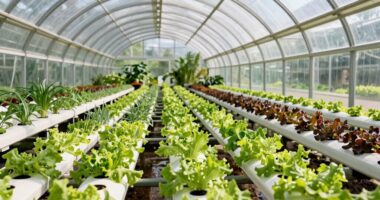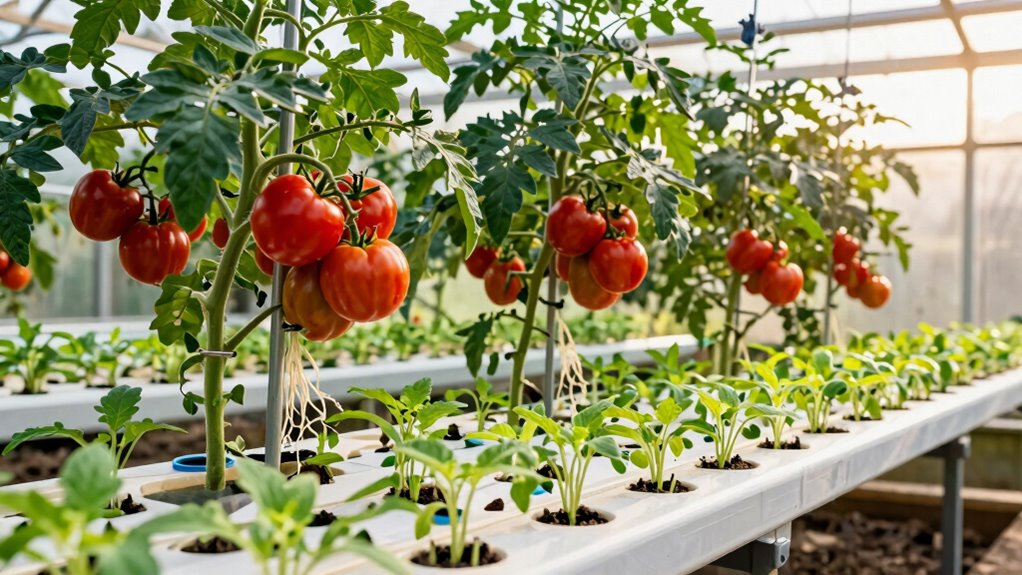

You might think matching propagation and production systems always maximizes efficiency, but sometimes it limits flexibility and growth. For example, strict alignment can cause resource misallocation, reduce genetic diversity, and restrict scalability. Using unsuitable methods may also create bottlenecks or strain infrastructure. By not always matching them closely, you can adapt to changing needs and environmental conditions more easily. Want to see how flexibility can improve your system? Keep exploring for valuable insights.
Key Takeaways
- Different propagation methods suit specific crop types and production goals, requiring flexible approaches for optimal results.
- Mismatched systems can enhance genetic diversity and resilience, reducing vulnerability to pests and diseases.
- Varying environmental needs demand tailored propagation techniques to ensure healthy crop development.
- Scaling operations may need distinct propagation methods to prevent bottlenecks and streamline workflows.
- Resource allocation efficiencies are achieved by aligning propagation methods with specific production system requirements.
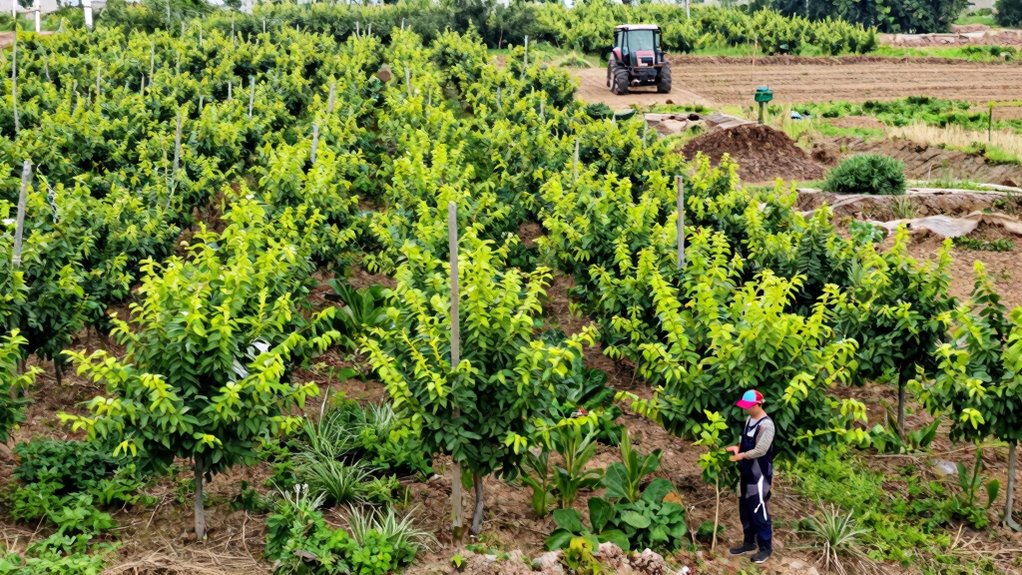
When propagation methods don’t align with production systems, it can lead to inefficiencies and reduced yields. This mismatch often stems from a failure to account for the specific needs of the crop and the environment in which it’s grown. For example, using a propagation technique suited for large-scale nurseries, like seed propagation, may not be ideal for a specialized greenhouse system that relies on clones or tissue culture. When these methods aren’t compatible, you risk misallocating resources such as labor, space, and nutrients, which can hinder overall productivity.
One critical aspect to contemplate is genetic diversity. Certain propagation methods—like cloning—produce genetically identical plants, which can be advantageous for uniformity but detrimental to resilience. If your production system heavily relies on clones, you might be vulnerable to pests and diseases that can wipe out an entire crop, reducing long-term sustainability. Conversely, seed propagation often maintains genetic diversity, enhancing resilience but potentially leading to variability in crop quality. Balancing this diversity with your production goals ensures you’re not over-investing in uniformity at the expense of adaptability. Additionally, understanding propagation techniques can help you select the most suitable method for your specific needs.
Balancing genetic diversity and uniformity is key to resilient, sustainable crop production.
Resource allocation is another key factor. When propagation doesn’t match the production system, you often allocate resources inefficiently. For instance, investing heavily in a propagation method that requires high labor input for a system designed for automation results in wasted effort and increased costs. Alternatively, if your system is optimized for rapid, large-scale seedling production but you’re using tissue culture, you might be unnecessarily complicating your workflow. Aligning propagation techniques with your production system allows you to optimize resource use, minimizing waste and maximizing output.
Additionally, mismatched systems can hinder scalability. If your propagation method is not suited for the size and scope of your production, expanding your operation becomes cumbersome. For example, scaling up tissue culture setups without adjusting your resource distribution can strain your infrastructure. This often leads to bottlenecks, delays, and increased costs, which undermine profitability. Proper alignment ensures that your propagation method can support growth without requiring frequent overhauls or costly reconfigurations.
Furthermore, understanding the environmental needs of your crops is vital to selecting appropriate propagation and production systems. Not aligning these environmental factors can result in suboptimal growth conditions and lower yields. By considering the environmental requirements, you can better tailor your propagation approach to ensure healthy development and higher productivity.
In essence, the key to maximizing productivity and sustainability lies in understanding the specific needs of your crop, the environmental context, and your resource constraints. By thoughtfully matching your propagation method to your production system, you can harness genetic diversity where needed, allocate resources more efficiently, and build a scalable operation. This strategic alignment doesn’t just improve yields — it creates a more resilient, adaptable, and efficient production process that’s better equipped to face future challenges.
As an affiliate, we earn on qualifying purchases.
Frequently Asked Questions
How Does Climate Change Impact Propagation and Production Systems?
Climate change impacts your propagation and production systems by altering growing conditions, which can threaten genetic diversity and pest resistance. You might face unpredictable weather patterns, making it harder to select resilient plant varieties. This climate variability can reduce genetic diversity, weakening your crops’ ability to resist pests. As a result, you need to adapt your systems, focusing on flexible strategies that support pest resistance and maintain genetic diversity amidst changing environmental conditions.
What Are the Economic Benefits of Mismatched Propagation and Production Systems?
You gain economic benefits from mismatched propagation and production systems through increased market flexibility and cost efficiency. By adapting propagation methods to diverse production environments, you can respond swiftly to market demands, reducing delays. This flexibility helps lower costs by optimizing resource use and minimizing waste. Ultimately, mismatched systems enable you to better meet consumer needs while maintaining competitive pricing and boosting overall profitability.
Can Mismatched Systems Improve Biodiversity in Agricultural Practices?
Yes, mismatched systems can boost biodiversity in agriculture. When you diversify propagation methods and production systems, you preserve genetic diversity, which strengthens ecosystem resilience. This approach supports a variety of plant and animal species, reducing vulnerability to pests and diseases. By intentionally creating mismatched systems, you foster a more resilient and balanced ecosystem, helping to sustain agricultural productivity while protecting the environment.
How Do Technological Advancements Influence System Compatibility?
Technology gently reshapes how you manage system compatibility, encouraging innovation that can boost genetic diversity. By integrating advanced tools, you improve the supply chain’s flexibility, allowing propagation and production systems to operate independently when needed. This adaptability fosters resilience and diversity, helping you navigate unforeseen challenges. Embracing these advancements means you can create more sustainable, dynamic agricultural practices that serve both your goals and the environment’s well-being.
What Are the Risks of Aligning Propagation and Production Systems Too Closely?
Aligning propagation and production systems too closely risks reducing genetic diversity, making your crops more vulnerable to pests and diseases. If both systems use similar methods or varieties, pests like insects or fungi can spread rapidly, undermining pest management efforts. This lack of diversity can lead to increased pesticide use and crop failures, ultimately threatening your farm’s resilience and productivity. It’s essential to maintain some separation to promote sustainability and pest resistance.
Conclusion
So, next time you think matching propagation and production sounds perfect, remember the irony: forcing them together can stifle innovation and create a bottleneck, like a tightrope walker afraid to sway. Sometimes, letting them dance separately allows creativity and efficiency to flourish, even if it looks chaotic at first. Embrace the mismatch—you might just find that the best ideas come from the beautiful chaos of independence, not harmony. After all, perfection isn’t always the goal.