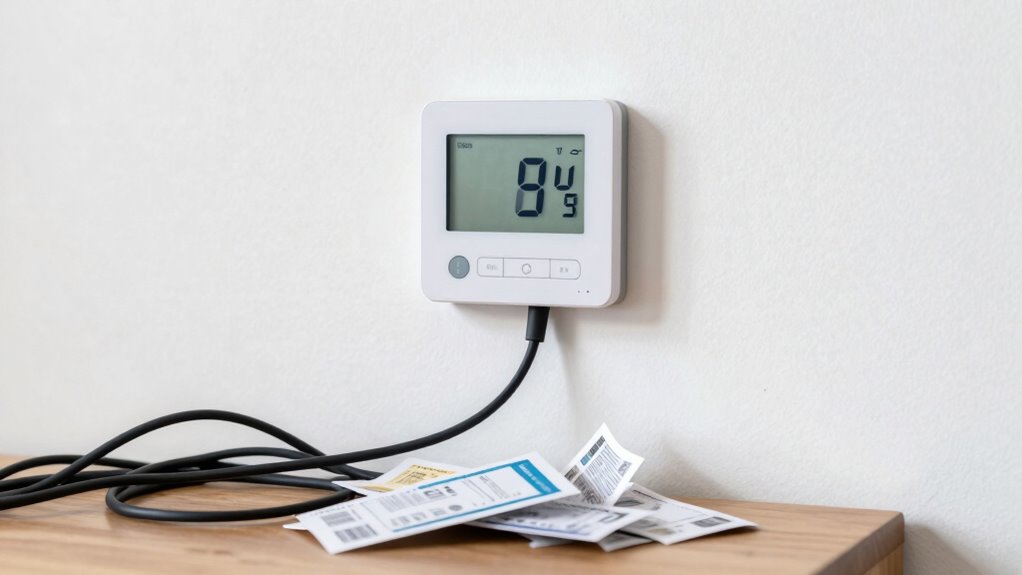

A good thermostat setup should prevent temperature fluctuations that cause discomfort and inconsistent indoor conditions. It also stops energy waste by avoiding prolonged or unnecessary HVAC operation, saving you money. Proper placement and calibration help your system respond accurately to weather changes and your household needs. This setup reduces manual adjustments and prevents system strain, ensuring efficient performance. Keep going to discover more tips on optimizing your thermostat for maximum comfort and savings.

Get garden gear delivered free with Prime
- Fast, free delivery on millions of items
- Prime Video, Amazon Music and more included
- Member-only deals all year
Key Takeaways
- Inconsistent indoor temperatures caused by poor calibration or incorrect settings.
- Excessive energy consumption due to improper thermostat configuration.
- Discomfort during weather changes from lack of automatic adjustments.
- Frequent manual adjustments needed to maintain comfort.
- Unnecessary system cycling that shortens HVAC lifespan and reduces efficiency.
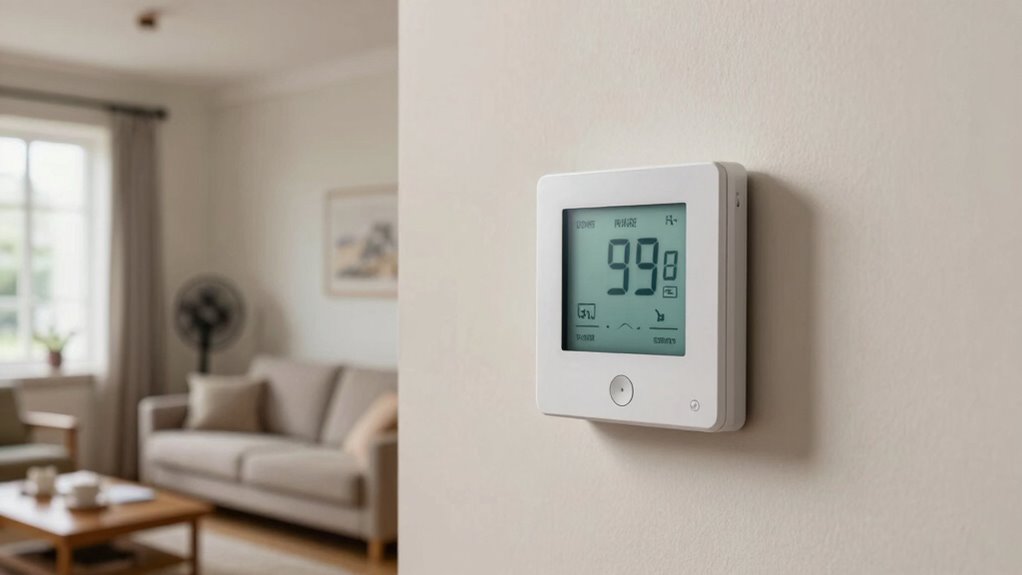
Setting up your thermostat correctly can make a big difference in your home’s comfort and energy efficiency. When you get it right, you prevent common issues that can lead to discomfort, wasted energy, and higher utility bills. One of the main things a good thermostat setup should prevent is temperature fluctuations that make your living space uncomfortable. If your thermostat is poorly calibrated or set incorrectly, you might find your home feels too hot or too cold, disrupting your daily routine and sleep quality. Ensuring your thermostat maintains a consistent temperature helps boost user comfort and keeps your environment just right. Proper thermostat calibration plays a vital role in achieving this stability.
Proper thermostat setup prevents discomfort and ensures a consistent, comfortable home environment.
Another critical aspect to prevent is unnecessary energy consumption. An improperly configured thermostat can cause your HVAC system to run longer than needed, wasting energy and increasing costs. For example, if you set your thermostat too low or too high without considering the actual conditions, your system might cycle on and off more frequently, which is inefficient and puts extra strain on your equipment. A well-set thermostat will optimize your system’s operation, reducing energy use while maintaining a comfortable environment. This balance enhances energy efficiency without sacrificing user comfort. Additionally, employing proper thermostat placement can significantly improve the system’s ability to accurately respond to your home’s needs.
Additionally, a good thermostat setup should prevent you from forgetting to adjust settings when weather changes. If your thermostat isn’t programmed or manually set correctly, you might find yourself uncomfortable during sudden cold snaps or heatwaves. Using programmable or smart thermostats allows you to set temperature schedules that automatically adapt to changing weather, preventing discomfort and saving energy when you’re not home or asleep. This proactive approach keeps your living space comfortable at all times while avoiding the pitfalls of manual adjustments. Proper thermostat placement and zoning are also essential to avoid over- or under-heating specific rooms, ensuring that your entire home remains comfortable and energy-efficient.
As an affiliate, we earn on qualifying purchases.
Frequently Asked Questions
How Often Should I Calibrate My Thermostat?
You should calibrate your thermostat at least once a year to guarantee sensor accuracy. Regular calibration helps maintain precise temperature control, preventing your system from overworking or underperforming. If you notice discrepancies between the thermostat display and actual room temperature, it’s a sign to recalibrate sooner. Keep an eye on sensor accuracy, and schedule calibration more frequently if your environment experiences temperature fluctuations or if your thermostat is aging.
Can a Thermostat Prevent Energy Waste Without Programming?
A thermostat can prevent energy waste without programming if you make manual adjustments based on your comfort and schedule. Make sure your sensor accuracy is high, so it responds correctly to room temperature changes. Regularly check and calibrate your thermostat to maintain sensor precision. By doing so, you actively control your home’s temperature, reducing unnecessary energy use and keeping your environment comfortable without relying solely on programmed settings.
What Safety Features Should My Thermostat Have?
Your thermostat should have essential safety features like safety sensors and an emergency shutoff to protect your home from disaster. Safety sensors detect dangerous conditions, while the emergency shutoff acts like a superhero, instantly cutting power in emergencies. These features prevent overheating, fires, and gas leaks, ensuring your home stays safe. Don’t overlook these essentials—they’re your first line of defense against potential hazards, keeping you and your loved ones secure.
Is Wi-Fi Connectivity Necessary for a Good Thermostat?
Wi-Fi connectivity isn’t essential for a good thermostat, but it offers great benefits. With Wi-Fi, you get remote access, so you can adjust your settings from anywhere. It also enables smart integration, allowing your thermostat to work seamlessly with other smart home devices. If you value convenience and energy efficiency, a Wi-Fi-enabled thermostat is a smart choice. Otherwise, non-connected models can still effectively manage your home temperature.
How Does a Thermostat Prevent System Damage?
A good thermostat acts like a superhero, preventing system damage with emergency shutdowns when temperatures soar or plummet! It also controls humidity, stopping excess moisture from wreaking havoc on your HVAC system. By monitoring these factors constantly, it averts overheating or freezing—saving your equipment from catastrophic failure. This vigilant guardian ensures your system runs smoothly, avoiding expensive repairs and keeping your home comfortable no matter what chaos weather throws at you.
Conclusion
Think of your thermostat like a skilled captain steering a ship. If you set it too high or low, the journey becomes uncomfortable and inefficient. By properly configuring your thermostat, you’re guiding your home’s climate smoothly through changing weather, avoiding storms of energy waste or chilly drafts. When you prevent these pitfalls, your home stays comfortable and your energy bills stay calm—just like a well-navigated voyage, it’s all about steering wisely from the start.
Fall yard work Picks
leaf blowers
As an affiliate, we earn on qualifying purchases.