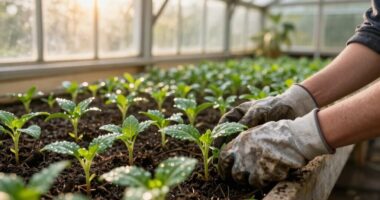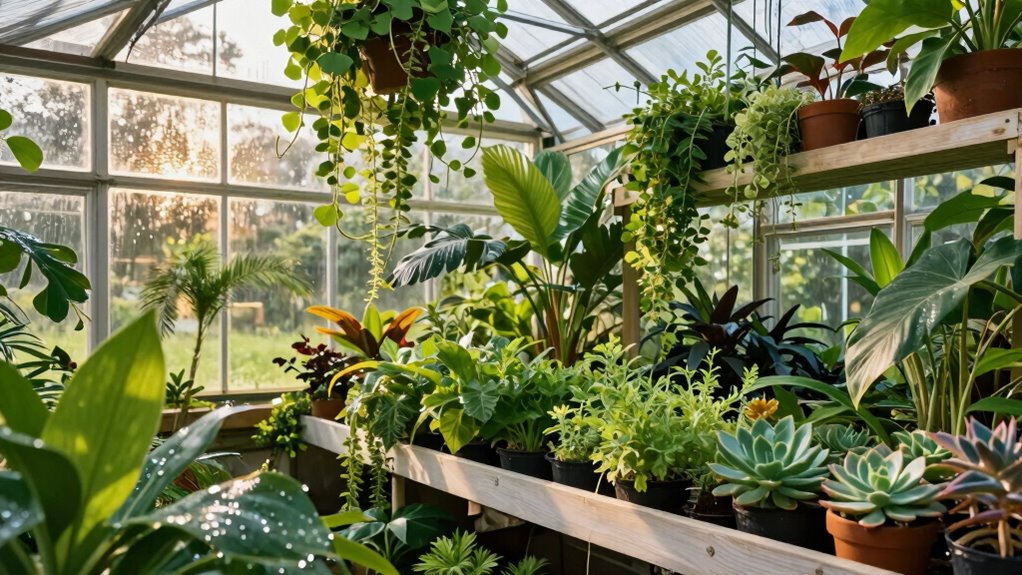

Implementing a hydroponic system and integrated pest management during mid-summer can quickly boost your greenhouse’s productivity. Hydroponics accelerates growth and maximizes space, while organic pest controls keep plants healthier and reduce crop loss. Acting now improves water efficiency, cuts costs, and promotes sustainability. These upgrades create a cleaner, more controlled environment that leads to faster harvests and better yields. Keep exploring to uncover more tips on making your greenhouse more resilient and profitable.

Get garden gear delivered free with Prime
- Fast, free delivery on millions of items
- Prime Video, Amazon Music and more included
- Member-only deals all year
Key Takeaways
- Implementing hydroponic systems during mid-summer accelerates crop growth and maximizes yield potential quickly.
- Upgrading water management practices improves water efficiency, reducing waste and lowering operational costs.
- Introducing biological pest control methods maintains plant health without chemical reliance, ensuring quality produce.
- Combining hydroponics with pest management enhances greenhouse resilience and minimizes crop loss.
- Mid-summer upgrades enable faster harvests, boosting sales and profitability within a short period.
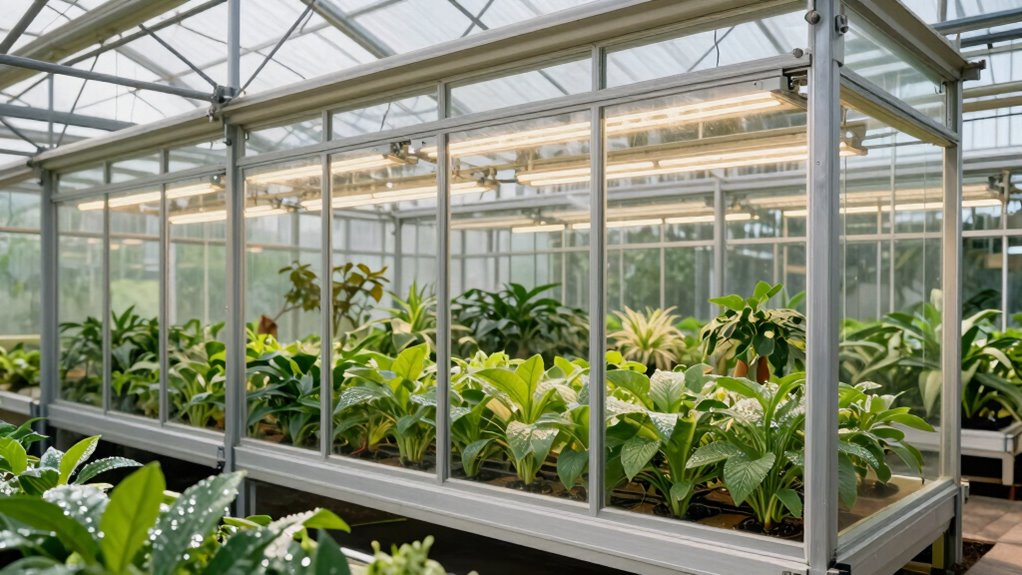
Upgrading your greenhouse can substantially boost your crop yields and profitability, making it a smart investment for serious gardeners and commercial growers alike. One of the most effective mid-summer upgrades you can make is implementing hydroponic systems. These soil-less growing methods allow you to grow plants faster and more efficiently, using nutrient-rich water instead of traditional soil. You’ll notice quicker growth cycles, higher production rates, and the ability to grow crops in a controlled environment, regardless of outdoor conditions. Hydroponics also helps maximize space, letting you cultivate more plants in less room, which directly boosts your overall output and return on investment. Plus, because these systems are automated to a large extent, they reduce labor costs and minimize the need for extensive soil preparation. Incorporating hydroponic systems can also improve your water efficiency, reducing waste and making your greenhouse more sustainable. This technology is increasingly popular due to its ability to optimize resource use while maintaining high yields. Additionally, choosing the right hydroponic setup can further enhance your efficiency and crop quality. Implementing modern agricultural techniques like hydroponics can also help future-proof your greenhouse operations against evolving environmental challenges.
Upgrading to hydroponic systems boosts yields, efficiency, and sustainability in your greenhouse.
Another critical upgrade during mid-summer is enhancing your pest management strategies. As temperatures rise, so does the risk of pests damaging your crops. By integrating modern pest management techniques—such as biological controls, integrated pest management (IPM), or targeted organic treatments—you can keep pests at bay without relying heavily on chemical pesticides. This not only preserves the quality of your produce but also aligns with consumer preferences for organic and chemical-free foods. Implementing physical barriers like insect screens or introducing beneficial insects can provide ongoing protection, ensuring your plants stay healthy and productive.
When you combine hydroponic systems with robust pest management, your greenhouse becomes more resilient and productive. Hydroponics reduces soil-borne pests, which are common in traditional soil-based cultivation, while improved pest management keeps airborne and surface pests under control. These enhancements create a cleaner, more controlled environment that supports rapid plant growth and minimizes crop loss. As a result, you’ll see faster harvests and better quality produce, which can translate to quicker sales and increased revenue.
Mid-summer is the perfect time to upgrade because the plants are actively growing, so the improvements take effect immediately. You’ll find that your crops thrive under the new systems, and you’ll gain better control over growing conditions. Plus, these upgrades promote sustainable practices, reducing your reliance on chemical inputs, and fostering healthier plants and a healthier environment. Overall, investing in hydroponic systems and strengthened pest management during this period can pay off fast, helping you maximize your greenhouse’s potential and ensuring a more profitable season.
As an affiliate, we earn on qualifying purchases.
Frequently Asked Questions
What Is the Typical Cost of a Greenhouse Upgrade?
The typical cost of a greenhouse upgrade ranges from $2,000 to $10,000, depending on size and features. You should do a cost comparison among supplier options to find the best deal. Keep in mind, investing in quality materials can save you money in the long run by reducing maintenance and increasing durability. Your choice of supplier plays a big role in balancing cost and features for a successful upgrade.
How Long Does It Usually Take to See Financial Returns?
You can typically see financial returns within 1 to 3 years after upgrading your greenhouse. A detailed cost analysis shows that quick payback periods are common, especially with mid-summer upgrades. Your investment timeline depends on factors like crop yield improvements and market prices, but many growers report recouping costs faster than expected. Staying proactive and monitoring your progress helps maximize your investment’s benefits.
Are There Specific Plants That Benefit Most From Upgrades?
Certain plants benefit most from upgrades, especially those with specific plant compatibility needs. High-value crops like tomatoes, peppers, and herbs see significant growth enhancement with improved lighting and ventilation. Upgrades optimize conditions, promoting faster growth and higher yields. If you focus on plants that thrive under controlled environments, you’ll notice better health, increased productivity, and quicker financial returns, making your greenhouse investment worthwhile.
What Maintenance Is Required After Upgrading a Greenhouse?
Think of your greenhouse as a thriving garden needing vigilant care. After upgrades, you need to regularly check climate control systems, ensuring consistent temperature and humidity. Keep pest management proactive by inspecting plants and sealing entry points. Clean and calibrate ventilation and irrigation systems, and monitor plant health closely. This ongoing maintenance keeps your upgraded greenhouse running smoothly, fostering an environment where your plants flourish and your investment pays off quickly.
Can Small-Scale Upgrades Make a Significant Difference?
Yes, small-scale upgrades can make a significant difference in your greenhouse. By implementing sustainable practices like adding shading or better ventilation, you improve climate control and plant health. These upgrades help regulate temperature and humidity more efficiently, reducing energy costs and boosting yields. Even minor changes, like sealing leaks or installing small fans, can lead to noticeable improvements, making your greenhouse more productive and environmentally friendly.
Conclusion
Upgrading your greenhouse in mid-summer boosts your crops, boosts your efficiency, and boosts your confidence. It’s an investment that pays off fast, turning your greenhouse into a thriving, productive space. With each upgrade, you enhance your growing potential, improve your yields, and enjoy the fruits of your labor sooner. So take action now, embrace change, and watch your greenhouse transform into a powerhouse of growth, a hub of success, and a symbol of your dedication.
Halloween Picks
halloween
As an affiliate, we earn on qualifying purchases.