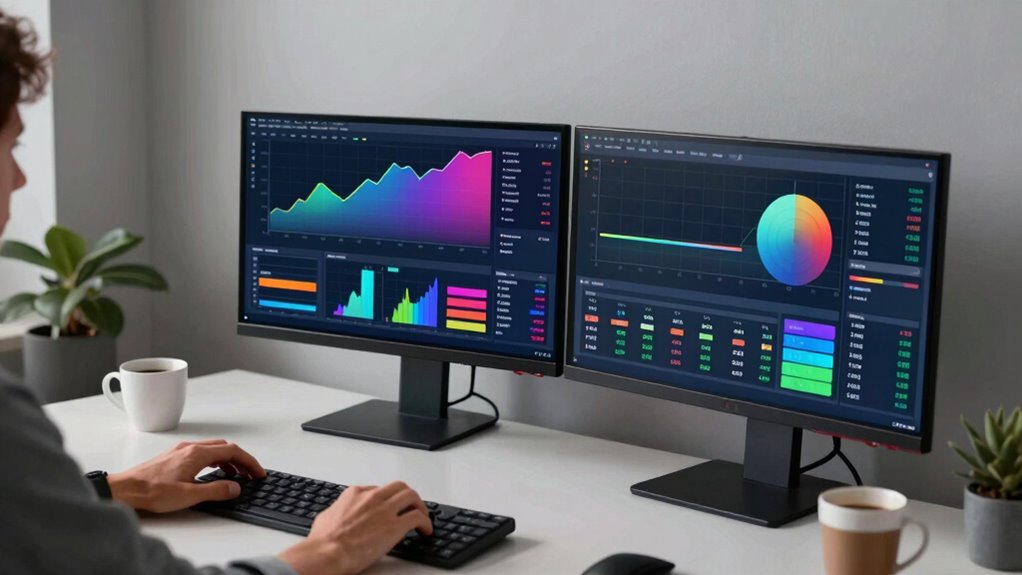

To add monitoring tools without chasing perfect numbers, focus on setting meaningful alerts based on thresholds that matter. Customize dashboards to display only the most relevant data for quick insights and pattern detection. Regularly review and tune your setup to prevent false alarms and adjust for normal variability. Prioritize visibility and responsiveness over perfection, and remember that monitoring is an ongoing process. Keep exploring, and you’ll discover even better ways to keep your systems healthy.

Get garden gear delivered free — and shop member deals
- Fast, free delivery on millions of items
- Access to Prime Big Deal Days deals on October 6–7
- Prime Video, Amazon Music and more included
Key Takeaways
- Focus on relevant, high-priority metrics rather than striving for precise, perfect numbers.
- Set realistic thresholds based on normal variability and performance baselines.
- Automate alerts for significant issues, avoiding constant manual monitoring.
- Regularly review and adjust monitoring setups to reflect current system priorities.
- Emphasize actionable insights and quick responses over achieving flawless data accuracy.
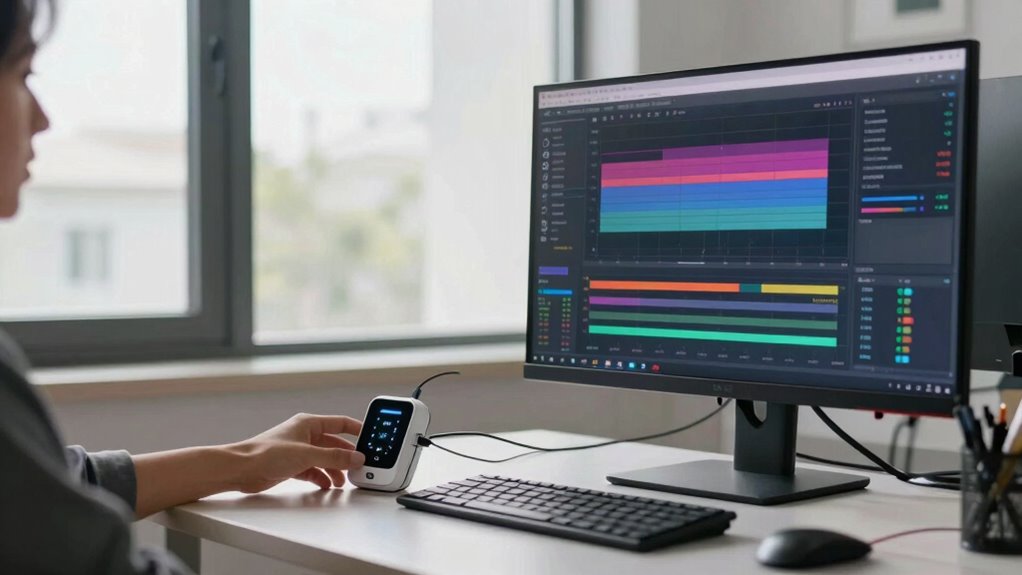
Adding monitoring tools to your systems can considerably improve visibility and performance, but chasing perfect numbers often leads to frustration and wasted effort. Instead of obsessing over getting every metric just right, focus on setting up automated alerts that notify you when something needs your attention. Automated alerts save you from constantly checking dashboards and help you respond quickly to issues. They let you define thresholds for key metrics, so you’re alerted only when there’s a real problem, not every fluctuation. This way, you avoid information overload and can prioritize fixing critical issues efficiently.
Custom dashboards also play an essential role in this balanced approach. Rather than trying to track every metric everywhere, you can tailor dashboards to display only the most relevant information for your team or project. Custom dashboards give you a clear, real-time view of the system’s health without overwhelming you with data. They help you focus on the metrics that matter most, whether it’s server response times, error rates, or resource utilization. With these dashboards, you can quickly identify patterns, spot anomalies, and make informed decisions without getting lost in a sea of numbers. Regularly reviewing your metrics can also help you recognize meaningful trends, and incorporating performance baselines can further enhance your ability to distinguish between normal fluctuations and actual issues. Additionally, understanding metric variability can help you set more accurate thresholds and avoid unnecessary alerts. Being aware of monitoring variability also helps prevent false positives and maintains your system’s reliability.
The key is to remember that monitoring isn’t about perfection; it’s about practicality. Use automated alerts to catch issues early without constant manual oversight. Set thresholds that are realistic and meaningful, avoiding alerts for minor or insignificant changes. When you combine these alerts with custom dashboards, you create a streamlined system that keeps you informed and reduces unnecessary noise. This setup allows you to concentrate on resolving problems rather than chasing elusive perfect metrics.
You should also regularly review and adjust your monitoring setup. Metrics that were critical last quarter might no longer be relevant, so update your alerts and dashboards accordingly. This ongoing tuning prevents false alarms and ensures your monitoring remains aligned with your current priorities. Recognizing that monitoring isn’t about perfection helps you stay focused on practicality and continuous improvement. Don’t aim for flawlessness; aim for usefulness. Recognize that some variability is normal and accept that your monitoring system is a tool for guidance, not a crystal ball.
In the end, adding monitoring tools isn’t about achieving perfect numbers but about creating a smart, responsive system. Automated alerts and custom dashboards empower you to act swiftly, reduce noise, and stay focused on what truly matters. Keep things simple, adapt regularly, and remember that the goal is better visibility and quicker response, not perfection.
automated system monitoring tools
As an affiliate, we earn on qualifying purchases.
As an affiliate, we earn on qualifying purchases.
Frequently Asked Questions
What Are Common Pitfalls When Implementing Monitoring Tools?
When implementing monitoring tools, you often encounter common pitfalls like alert fatigue and false positives. You might get overwhelmed by too many alerts, causing you to overlook critical issues. False positives can waste your time chasing non-issues, leading to frustration. To avoid these, fine-tune your thresholds, prioritize alerts, and regularly review your monitoring setup. This helps you stay focused on real problems without getting bogged down by unnecessary notifications.
How Do You Prioritize Metrics for Effective Monitoring?
You can’t afford to ignore metric relevance—it’s like missing the heartbeat of your system! To prioritize metrics effectively, use clear prioritization strategies: identify critical business goals, focus on high-impact metrics, and eliminate noise. Keep monitoring simple but powerful by tracking what truly influences performance. Regularly review and adjust your priorities—what’s essential today might change tomorrow. This way, you stay ahead without chasing perfect numbers.
Can Monitoring Tools Replace Manual System Checks?
Monitoring tools can considerably reduce manual system checks by providing automated alerts and real-time data visualization. They continuously track system performance, identify issues instantly, and alert you before problems escalate. While they can’t entirely replace manual checks in complex scenarios, they streamline your monitoring process, save time, and improve accuracy. This way, you focus more on resolving issues rather than constantly hunting for them, making your system more reliable and efficient.
What Is the Best Way to Train Teams on New Monitoring Tools?
Think of your team as explorers venturing into new territory. To train them effectively on monitoring tools, use engaging training methodologies that foster active participation and hands-on experience. Incorporate real-world scenarios, interactive demos, and ongoing support to boost team engagement. Regular feedback and refresher sessions help solidify knowledge. By making training relevant and dynamic, you empower your team to confidently navigate and utilize new monitoring tools, ensuring smoother adoption.
How Often Should Monitoring Configurations Be Reviewed and Updated?
You should review and update your monitoring configurations regularly, ideally every three to six months, to guarantee they stay effective. The update frequency depends on your environment’s complexity and how often your systems change. Conduct a configuration review anytime you deploy major updates or notice gaps in monitoring. Staying consistent with these reviews helps catch issues early and keeps your monitoring tools aligned with your evolving infrastructure.
Conclusion
Remember, adding monitoring tools is like tuning an old radio—you won’t get perfect static-free reception overnight. Instead of chasing flawless numbers, focus on steady improvements that help you catch the signals that matter most. By embracing a practical approach, you’ll create a clearer picture of your system’s health without getting lost in endless tweaks. Keep tuning, stay patient, and soon you’ll find the sweet spot where your monitoring hits just the right note.
Fall yard work Picks
leaf blowers
As an affiliate, we earn on qualifying purchases.