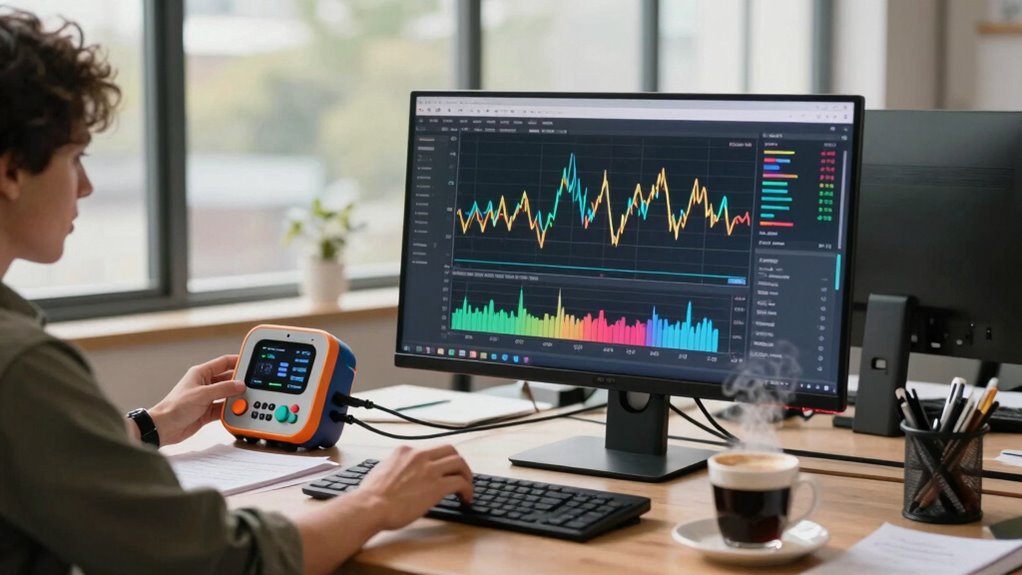

Monitoring tools work best when you update your routines because they help you catch issues early and respond quickly. By modifying your practices to fit new alerts and insights, you improve your system’s stability and prevent small problems from turning into major disruptions. Keeping your routines flexible allows you to adapt to evolving tools and strategies, ensuring your system remains resilient. Stay with us to discover how continuous routine improvements can make your monitoring even more effective.

Get garden gear delivered free — and shop member deals
- Fast, free delivery on millions of items
- Access to Prime Big Deal Days deals on October 6–7
- Prime Video, Amazon Music and more included
Key Takeaways
- Regular routine modifications ensure monitoring tools remain aligned with evolving system dynamics.
- Changing routines enhances the detection of new or recurring issues revealed by alerts.
- Adapting workflows maximizes the effectiveness of monitoring insights and proactive responses.
- Routine updates prevent complacency, keeping monitoring practices agile and responsive.
- Evolving routines foster continuous improvement and better leverage the full potential of monitoring tools.

Effective monitoring tools are indispensable for maintaining ideal system performance and quickly identifying issues before they escalate. When you rely on these tools, automated alerts become your first line of defense, notifying you instantly when something’s amiss. These alerts aren’t just notifications; they’re the proactive signals that allow you to respond swiftly, preventing minor glitches from turning into major disruptions. But for these alerts to work effectively, your routines need to adapt — user adaptability plays a key role. If you stick to the same methods, ignoring the insights from monitoring tools, their effectiveness diminishes. Instead, you must be willing to change your routines based on the data and alerts you receive.
Adapting routines based on monitoring insights maximizes system performance and problem prevention.
When you continuously update and refine your procedures, monitoring tools become more integrated into your workflow. Automated alerts can highlight patterns or recurring issues that you might overlook if you’re resistant to change. User adaptability means you’re open to modifying processes or adopting new practices in response to these alerts. For example, if an automated alert indicates a server overload during peak hours, you might adjust your load balancing routines or schedule maintenance at different times. This flexibility ensures you’re not just reacting to problems but proactively preventing them. The more adaptable you are, the better you leverage the full potential of your monitoring tools.
Changing routines based on monitoring insights also encourages a culture of continuous improvement. When you’re willing to modify how you operate, you create a feedback loop that enhances system stability. Instead of sticking to outdated practices, you incorporate lessons learned from alerts and reports. This dynamism makes your system more resilient because you’re always evolving with the data, rather than fighting against it. Automated alerts serve as real-time guidance, but they only lead to meaningful improvements if you’re prepared to change your routines accordingly. Recognizing the importance of system resilience helps emphasize why ongoing adaptation is crucial. Additionally, understanding the cyclical nature of system monitoring can help you anticipate issues before they arise. Embracing a mindset of continuous improvement ensures you stay proactive rather than reactive. Recognizing the importance of feedback loops can further enhance your ability to respond effectively.
Furthermore, user adaptability fosters quicker adoption of new tools or updates to existing monitoring systems. When you’re flexible, you’re more likely to embrace new features that improve detection accuracy or automate more complex responses. This proactive mindset minimizes downtime and maximizes system uptime. Staying informed about evolving monitoring strategies can further enhance your ability to respond effectively. So, it’s essential to view monitoring tools not just as static systems but as evolving components that require your active engagement and willingness to change routines. When you do, these tools become powerful allies, helping you maintain peak performance and stay ahead of potential issues by continuously refining how you monitor, respond, and improve.
automated system monitoring tools
As an affiliate, we earn on qualifying purchases.
As an affiliate, we earn on qualifying purchases.
Frequently Asked Questions
How Quickly Can Monitoring Tools Detect Routine Deviations?
Monitoring tools can detect routine deviations almost instantly, often within seconds, thanks to real-time alerts and predictive analytics. These tools analyze data continuously, enabling you to identify anomalies immediately. By constantly monitoring your systems, they help you respond quickly to issues, minimizing disruptions. This rapid detection ensures you’re proactive rather than reactive, maintaining smooth operations and preventing small problems from escalating into major challenges.
Are There Industries Where Changing Routines With Monitoring Tools Is Less Effective?
In industries like healthcare or finance, changing routines with monitoring tools can face industry resistance and cultural barriers. You might find that established practices and strict regulations make it harder to implement change quickly. Resistance from staff, concerns over privacy, or fear of errors can hinder effectiveness. You need to address these barriers proactively, fostering trust and understanding, to guarantee monitoring tools truly enhance routines rather than disrupt them.
What Are Common Challenges Faced When Altering Routines With Monitoring Tools?
When altering routines with monitoring tools, you often face behavior resistance and implementation barriers. People may resist change due to fear of the unknown or discomfort with new processes. Additionally, organizational hurdles like lack of training, insufficient resources, or unclear goals can slow adoption. These challenges require clear communication, ongoing support, and patience to help everyone embrace the new routines, ensuring the monitoring tools effectively improve performance.
How Do Monitoring Tools Adapt to Evolving Routines Over Time?
Monitoring tools adapt to evolving routines through algorithm flexibility, allowing them to modify data collection and analysis as your practices change. You can update settings or incorporate new metrics, which helps the tools stay relevant. User adaptation is key—you actively modify routines and provide feedback, enabling the system to learn your habits. This ongoing interaction ensures the monitoring remains effective, supporting continuous improvement without requiring complete overhauls.
Can Monitoring Tools Replace the Need for Routine Changes Altogether?
No, monitoring tools can’t replace routine changes entirely. Relying solely on automation dependency diminishes the dynamic, deliberate decision-making that routines foster. You need routine adjustments to boost user compliance and build resilience. While monitoring tools provide real-time insights, they work best when paired with proactive, purposeful routine changes that foster growth, prevent complacency, and guarantee ongoing improvement—because true progress depends on both consistent monitoring and intentional modification.
Conclusion
Remember, monitoring tools are your guiding compass—they work best when they prompt you to change routines. Like a gentle nudge in the right direction, they reveal where improvement is needed, helping you grow stronger and more efficient. Clinging to old habits is like trying to steer a sinking ship—change keeps you afloat. Embrace these tools, and let their insights be the wind beneath your wings, propelling you toward success.
Fall Picks
fall essentials
As an affiliate, we earn on qualifying purchases.