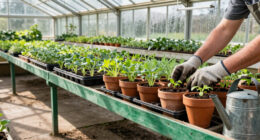
To build a straightforward greenhouse tech stack, start with a simple hydroponic system like NFT or deep water culture, using pumps, reservoirs, and trays for easy management. Automate pumps, lights, and climate controls with timers and sensors to maintain ideal conditions. Add physical barriers for pest control and consider biological predators or monitors for extra protection. Focus on reliable, easy-to-use tools that grow with you, and you’ll create a smart, scalable setup that makes plant care efficient—more details await to help you succeed.

Get garden gear delivered free with Prime
- Fast, free delivery on millions of items
- Prime Video, Amazon Music and more included
- Member-only deals all year
Key Takeaways
- Prioritize core systems: hydroponic setup, climate control, and pest management for a balanced, manageable greenhouse environment.
- Use reliable, user-friendly automation tools like timers, sensors, and simple controllers to streamline operations.
- Select scalable technology components that can expand with your greenhouse needs without complexity.
- Implement physical barriers and biological controls to simplify pest management effectively.
- Regularly calibrate sensors and monitor environmental conditions remotely for consistent plant health.
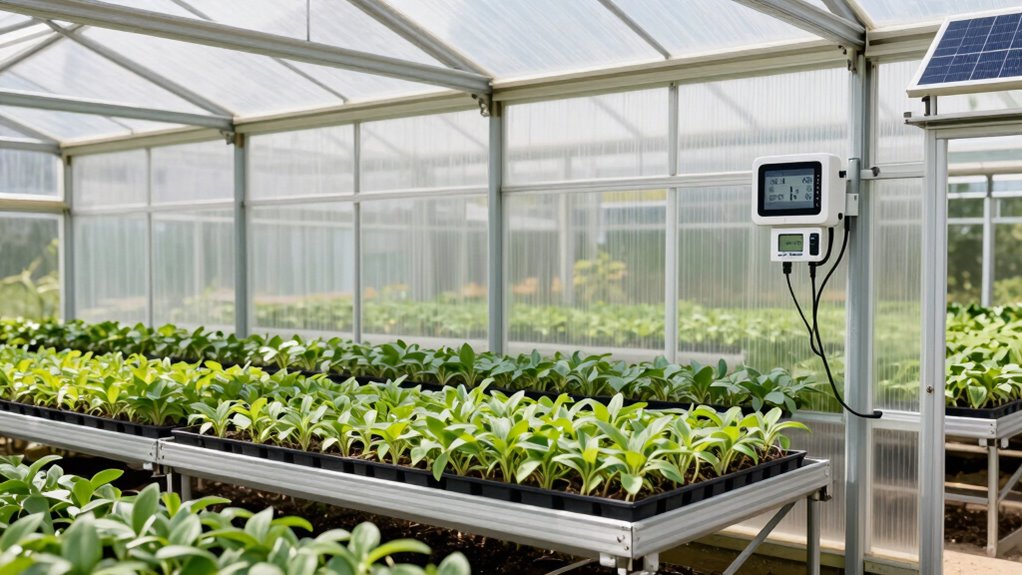
Building a simple greenhouse tech stack doesn’t have to be complicated or expensive. When you’re starting out, focus on the essentials that support healthy plant growth and effective management. One of the first things to contemplate is your hydroponic systems. These allow you to grow plants without soil, making your greenhouse more efficient and manageable. Choose a straightforward setup, like NFT (nutrient film technique) or deep water culture, which are easy to operate and maintain. These systems require basic pumps, reservoirs, and growing trays, and they can be scaled up as your experience grows. Automation can be minimal but impactful—think about timers for your pumps and grow lights, which save you time and help maintain consistent conditions.
Pest control is another critical piece of your tech stack. Keeping pests at bay is essential for healthy crops and a successful greenhouse. Instead of relying solely on chemical pesticides, incorporate integrated pest management (IPM) strategies. Use physical barriers like insect screens on vents and doors to prevent pests from entering. Biological controls, such as beneficial insects or natural predators, can also be effective and eco-friendly. Regular monitoring with simple tools like sticky traps or handheld magnifiers helps you catch pest issues early before they escalate. Keeping the environment clean and tidy reduces hiding spots for pests and minimizes their chances of thriving. Additionally, using remote monitoring devices can help you stay on top of environmental conditions and pest activity even when you’re not physically present. This can be especially useful for maintaining environmental stability and spotting issues promptly. Incorporating biodiversity practices can further enhance pest control by encouraging beneficial organisms and promoting a balanced ecosystem within your greenhouse.
Lighting is a key factor that you shouldn’t overlook. While natural sunlight is ideal, supplementing with LED grow lights ensures your plants receive enough light during cloudy days or shorter winter days. Opt for energy-efficient LEDs that provide the right spectrum for your crops. This added layer of control allows you to extend growing seasons and improve yields without complicating your setup.
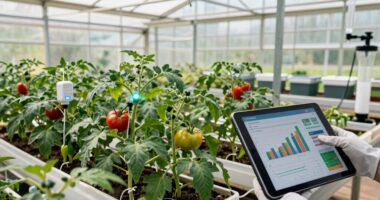
Climate control is another important element in your tech stack. Basic thermostats and humidity sensors help you maintain perfect conditions. Automated vent openers or exhaust fans can be connected to these sensors to regulate temperature and humidity without constant manual adjustments. This setup saves you time and prevents issues like overheating or excessive humidity, which can promote pests and diseases. Regular calibration of these sensors ensures accurate readings and optimal environment management.
In the end, building a simple greenhouse tech stack is about selecting tools that serve your needs without overwhelming you. Focus on efficient hydroponic systems, effective pest control measures, and basic climate controls. With these core components, you can create a productive environment that’s easy to manage and scalable over time. Staying organized and investing in reliable, straightforward technology will make your greenhouse journey both enjoyable and successful.
As an affiliate, we earn on qualifying purchases.
Frequently Asked Questions
What Are the Essential Tools for Monitoring Greenhouse Conditions?
You need essential tools like soil moisture sensors and temperature monitors to keep greenhouse conditions ideal. These tools help you track soil health and prevent issues like overwatering or pests. Consider integrating pest management systems to detect infestations early. By actively monitoring these factors, you can make informed decisions, improve plant growth, and maintain a healthy environment, ensuring your greenhouse stays productive and pest-free.
How Can I Automate Watering in My Greenhouse?
You can automate watering in your greenhouse easily by installing soil moisture sensors connected to an automated watering system. These sensors detect when the soil dries out and trigger watering only when needed, saving water and ensuring ideal plant health. Don’t worry about complexity; modern systems are user-friendly and adaptable. With automated watering, you’ll keep your plants consistently healthy without constant manual effort, making your greenhouse management more efficient.
What Safety Features Should Be Included in a Greenhouse Tech Stack?
You should include safety features like integrated pest control sensors to detect and prevent greenhouse pests, ensuring healthier plants and safer environments. A well-designed ventilation system not only manages temperature and humidity but also reduces mold and pathogen growth, safeguarding your crew. Additionally, install emergency shut-off systems for electrical equipment and clear safety signage to minimize risks, creating a secure, efficient greenhouse environment that promotes plant health and operator safety.
How Do I Choose the Right Sensors for Temperature and Humidity?
You should choose sensors that are known for accuracy, easy calibration, and reliable data logging. Look for models with good calibration features to guarantee precise readings over time. Consider sensors that automatically log data, so you can track temperature and humidity trends. Check reviews for durability and ease of use, and make sure they integrate well with your system. Proper calibration and effective data logging are key to maintaining ideal greenhouse conditions.
Can I Integrate Renewable Energy Sources With My Greenhouse System?
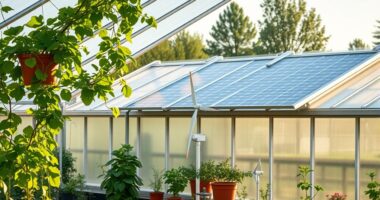
Yes, you can integrate renewable energy sources into your greenhouse system, making it a sustainable powerhouse. Think of it as giving your setup a green heartbeat through solar panels, wind turbines, or geothermal energy. Renewable integration not only reduces your carbon footprint but also boosts sustainability benefits. By managing energy flow smartly, your greenhouse stays eco-friendly, cost-effective, and resilient, all while helping the planet breathe a little easier.
Conclusion
By choosing the right tools and integrating them seamlessly, you can create a greenhouse tech stack that’s both simple and effective. Isn’t it worth investing in technology that makes your gardening easier and more productive? With a straightforward setup, you’ll save time, reduce errors, and see better results. So why not start small, experiment, and build a system that grows with your needs? Your green thumb will thank you for it.
Halloween Picks
halloween
As an affiliate, we earn on qualifying purchases.