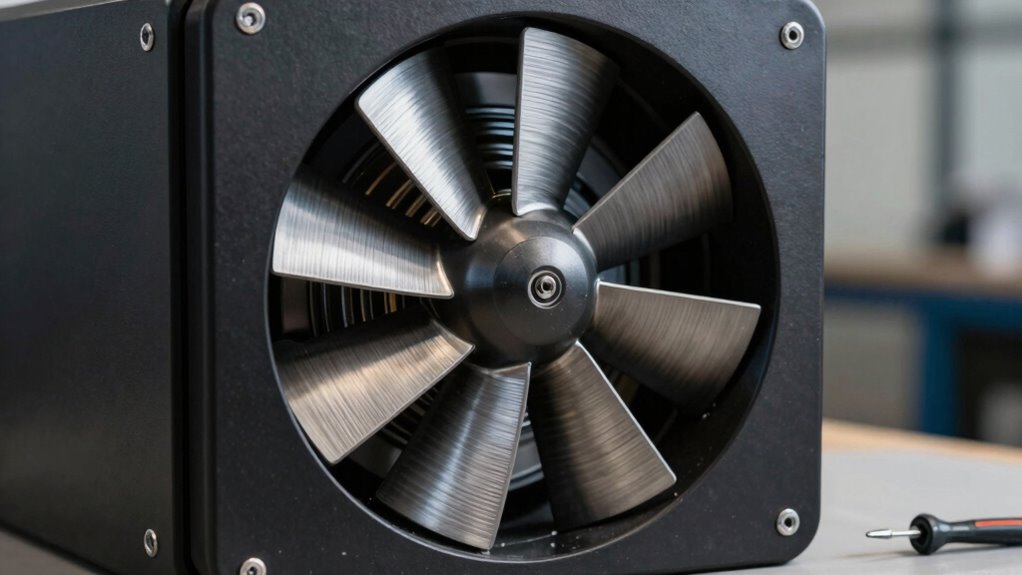

To stop your ventilation gear from working against itself, you need to guarantee proper calibration and system balancing, so airflow matches demand. Regularly check and adjust fan speeds, dampers, and seal any leaks to prevent energy waste and internal conflicts. Maintaining your system and using smart controls with sensors helps with real-time adjustments and early problem detection. Staying on top of these steps keeps the system running smoothly; if you want to know what else to do, keep exploring further details.
Listen free for 30 days with Audible
Thousands of audiobooks and originals — cancel anytime.
As an affiliate, we earn on qualifying purchases.
Key Takeaways
- Regularly calibrate and balance the ventilation system to ensure airflow matches demand and prevents internal conflicts.
- Use smart control systems and sensors to monitor real-time data and make adaptive adjustments.
- Schedule routine maintenance to keep filters, fans, and dampers in optimal condition.
- Seal leaks and properly insulate ducts to minimize energy loss and airflow discrepancies.
- Continuously assess and optimize fan speeds and damper settings for harmonious operation.
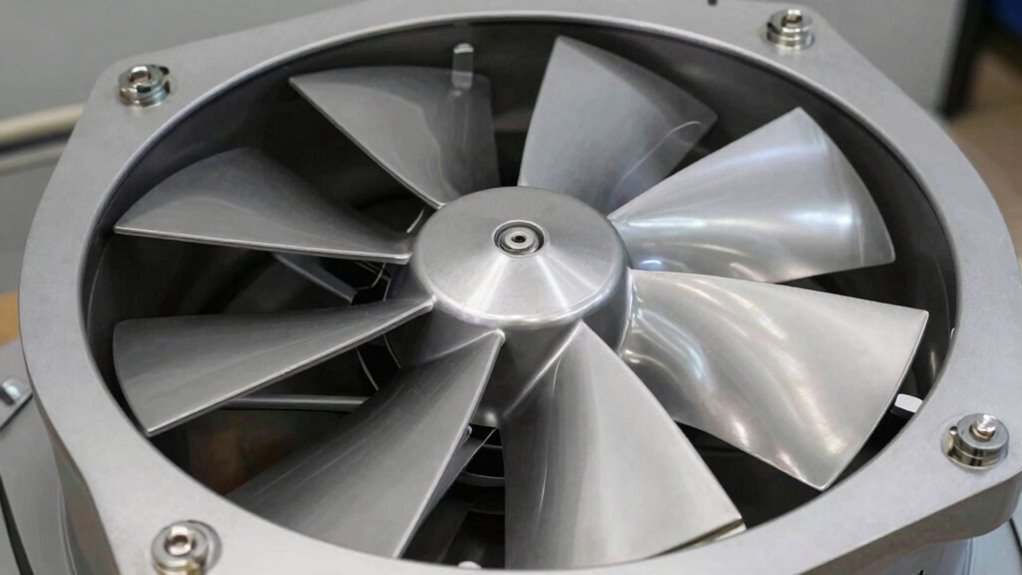
Ever wonder why your ventilation system sometimes seems to work against itself? It’s frustrating when your system’s performance drops, and airflow feels inconsistent. Often, the root cause is a lack of proper efficiency optimization and ineffective maintenance scheduling. When these elements aren’t addressed, different parts of your ventilation gear can end up fighting each other, reducing overall effectiveness and increasing energy costs.
Poor maintenance and lack of optimization cause ventilation systems to work against themselves, reducing efficiency and increasing costs.
The first step to fixing this issue is understanding how efficiency optimization plays a critical role. Your ventilation system needs to be calibrated correctly to match your building’s specific needs. For example, if the fans are running at full speed when only a fraction of that airflow is necessary, you’re wasting energy and creating unnecessary strain on the system. Conversely, underpowered fans won’t circulate air adequately, leading to poor air quality and uneven temperature distribution. Regularly assessing your system’s efficiency allows you to fine-tune its operation, ensuring it performs optimally without overworking any component. This can involve adjusting fan speeds, balancing dampers, and sealing leaks to prevent energy waste. Proper calibration and system balancing are essential to avoid components working against each other. Additionally, incorporating efficiency analysis can help identify areas where energy is being wasted and guide targeted improvements. Implementing continuous performance monitoring can further ensure your system adapts to changing conditions, maintaining optimal operation over time. It’s also beneficial to stay informed on the latest technology advancements that can enhance system performance and longevity.
Maintenance scheduling is equally vital. A well-planned maintenance routine keeps all system components in good condition and prevents small issues from escalating into major failures. Neglecting scheduled maintenance often results in clogged filters, worn-out belts, or dirty fans, all of which can cause your ventilation gear to work harder than necessary or even oppose itself. For example, a clogged filter reduces airflow, forcing fans to exert more effort, which can lead to inconsistent ventilation and energy inefficiency. By adhering to a regular maintenance schedule, you ensure that parts are cleaned, lubricated, and replaced before problems develop. This proactive approach minimizes downtime and keeps your system running smoothly.
Additionally, leveraging smart control systems can further enhance your ventilation system’s performance by providing real-time data and adaptive adjustments. To truly stop your ventilation gear from working against itself, you should also consider integrating smart controls and sensors that monitor airflow, pressure, and temperature in real-time. These tools help you identify issues early and make adjustments on the fly, further optimizing efficiency. Combining smart technology with diligent maintenance scheduling and efficiency optimization strategies creates a system that’s responsive and reliable. Ultimately, taking these steps means your ventilation system will operate harmoniously, providing clean, consistent air without unnecessary energy consumption or wear and tear. When your system is well-maintained and optimized, it works for you—not against you—delivering the performance you expect and saving you money in the long run.
As an affiliate, we earn on qualifying purchases.
Frequently Asked Questions
What Are Common Signs of Ventilation System Malfunctions?
You’ll notice signs like reduced airflow, inconsistent temperature, or strange noises, which indicate ventilation system malfunctions. Airflow blockage from debris or filter clogging often causes these issues, making the system work harder or shut down. Keep an eye out for increased energy bills or musty odors, as these also signal problems. Regular maintenance, including cleaning or replacing filters, helps prevent malfunctions and keeps your ventilation system running smoothly.
How Often Should Ventilation Gear Be Inspected or Maintained?
Imagine your ventilation gear as the heartbeat of your space; to keep it healthy, you need regular check-ups. You should follow maintenance schedules and inspection frequency recommended by the manufacturer—typically every 6 to 12 months. Regular inspections catch issues early, preventing malfunctions that could work against your system. Staying consistent guarantees your ventilation runs smoothly, providing fresh air and peak performance, without working against itself or you.
Can Improper Installation Cause Ventilation Gear to Malfunction?
Yes, improper installation can cause ventilation gear to malfunction. Installation errors, such as incorrect duct connections or improper sealing, can hinder airflow and reduce ventilation efficiency. When gear isn’t installed correctly, it may not operate as designed, leading to issues like poor air exchange or system failure. Ensuring proper installation is essential for maintaining ideal ventilation performance and preventing equipment problems caused by installation mistakes.
Are There Safety Precautions to Consider During Ventilation Repairs?
You should always keep safety front and center during ventilation repairs because rushing in blindly can cause more harm than good. Wear proper gear, verify power is off, and follow manufacturer instructions for ventilation safety and repair precautions. Use lockout/tagout procedures to prevent accidental startup. Check for sharp edges and hazardous materials, and guarantee good ventilation in the workspace. Think of safety as your best friend guiding you through the process smoothly.
What Tools Are Needed for Ventilation Gear Troubleshooting?
You’ll need essential ventilation tools like screwdrivers, pliers, a multimeter, and an inspection mirror for troubleshooting. Start with a thorough troubleshooting checklist to identify issues, such as loose connections or faulty motors. Use your tools to test electrical components, check airflow, and inspect belts or blades. Having these ventilation tools handy streamlines the process, helping you diagnose problems quickly and guarantee your ventilation system works efficiently without working against itself.
Conclusion
To prevent your ventilation gear from working against itself, guarantee all components are properly aligned and regularly maintained. For example, imagine a commercial building where the exhaust fans and intake vents are out of sync, causing air to circulate inefficiently. By adjusting the fan settings and sealing leaks, you improve airflow and energy efficiency. Regular inspections and timely adjustments keep your ventilation system functioning smoothly, saving you energy and reducing wear on the equipment.
NFL season / tailgating Picks
team gear
As an affiliate, we earn on qualifying purchases.