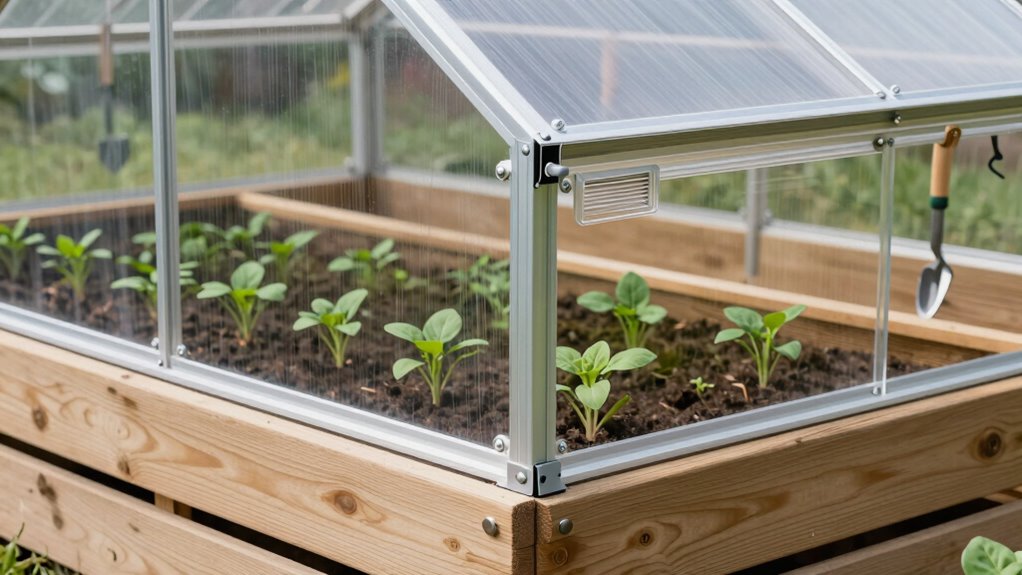
When choosing a greenhouse kit for raised beds instead of benches, consider your available space, budget, and the types of plants you want to grow. Select a size that fits your yard and provides enough room for proper airflow and access. Choose durable materials like metal or treated wood, and make sure the design suits your climate and aesthetic preferences. Don’t forget to evaluate ventilation, lighting, and accessories for ideal growth. Keep exploring to get all the details you need.

Get garden gear delivered free with Prime
- Fast, free delivery on millions of items
- Prime Video, Amazon Music and more included
- Member-only deals all year
Key Takeaways
- Prioritize a greenhouse kit with customizable or open floor plans to accommodate raised beds instead of benches.
- Ensure the kit offers sufficient floor space and height for easy access to raised beds.
- Choose a design with a flat, sturdy foundation suitable for supporting raised bed structures.
- Opt for materials and framing that are durable and weather-resistant for long-term stability.
- Consider ventilation and access features that facilitate gardening around and within raised beds.
As an affiliate, we earn on qualifying purchases.
Assess Your Gardening Space and Budget Before Choosing a Greenhouse
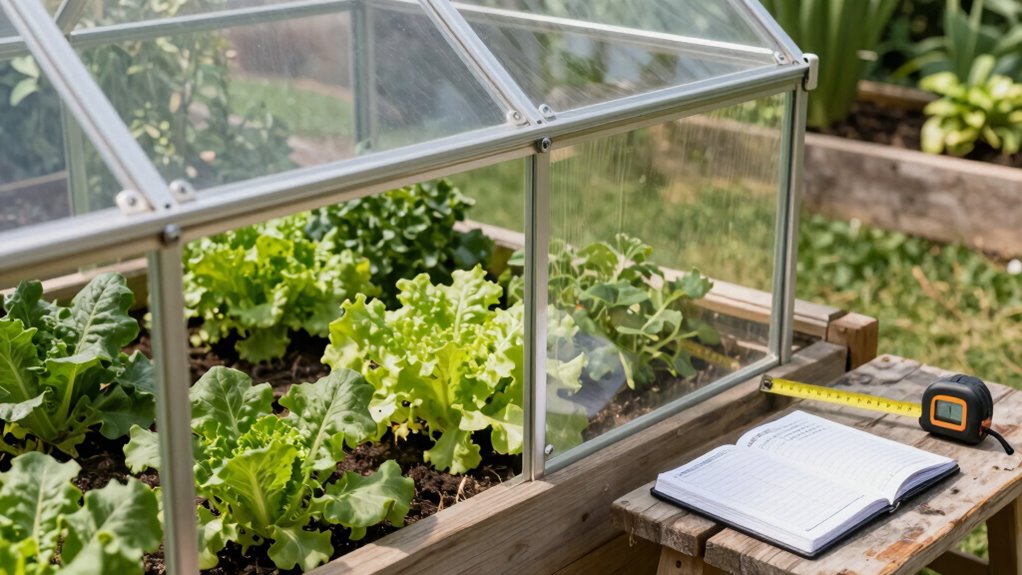
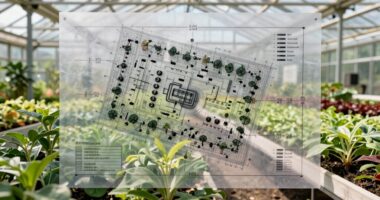
Before selecting a greenhouse kit for your raised beds, evaluating your gardening space and budget is essential. Your garden layout influences the size and type of greenhouse you can accommodate, so measure available space carefully. Consider how much room you need for pathways, access, and existing plants. Your budget determines the complexity and materials of the greenhouse, so set a realistic spending limit. Keep in mind your planting density—the number of plants you want to grow—since it impacts the size of your raised beds and greenhouse. A well-planned layout guarantees you maximize space without overcrowding, which can hinder plant growth. Incorporating space constraints into your planning process helps you make more informed decisions about the appropriate size and style of greenhouse kit. Additionally, understanding effective storytelling can help clarify your priorities and inspire innovative solutions. Recognizing the different greenhouse styles available can also help you choose a design that complements your space and gardening goals. Being aware of greenhouse construction techniques ensures you select a durable and sustainable option suited to your needs.
How to Select the Right Size for Your Raised Bed Greenhouse Based on Your Plants and Space
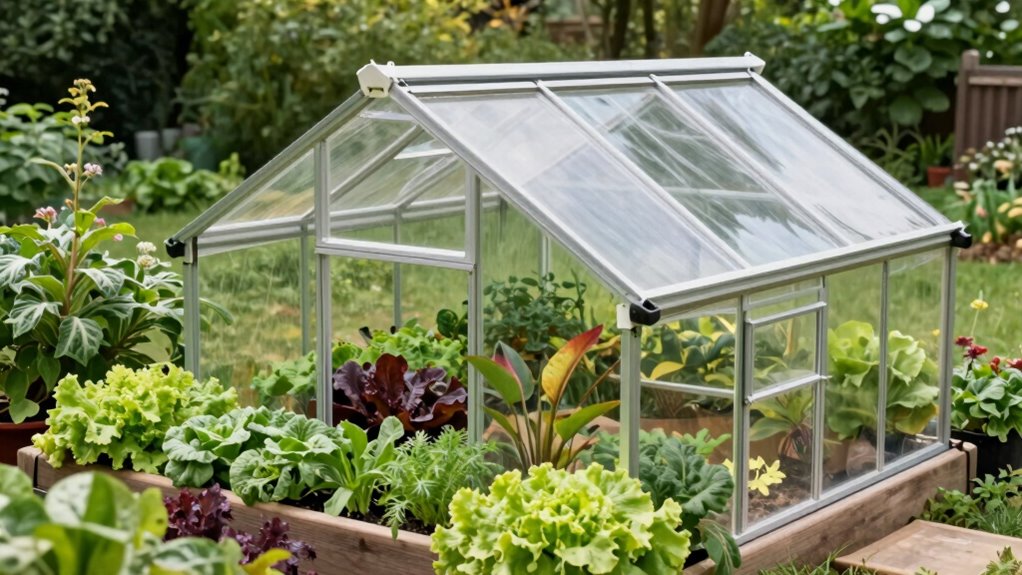
Choosing the right size for your raised bed greenhouse depends on both the types of plants you want to grow and the space you have available. Consider how you’ll arrange your plants, making certain there’s enough room for proper plant placement to promote healthy growth. Larger greenhouses accommodate more plants and allow for crop rotation, but they require more space and maintenance. Measure your area carefully, leaving room for pathways and easy access. Also, think about soil preparation—larger beds need more soil, but they also provide better drainage and root growth. Match your greenhouse size to your gardening goals and available space, balancing capacity with practicality. This ensures your plants thrive without overwhelming your yard or workspace.
What Are the Best Materials for Durable, Insulating Raised Bed Greenhouse Structures?

Selecting the right materials for your raised bed greenhouse is essential to guarantee durability and effective insulation. You want materials that can withstand weathering, resist rot, and stand the test of time, ensuring your structure remains strong. Wood treated with non-toxic sealants offers good material durability and natural insulation properties, making it a popular choice. Polycarbonate panels provide excellent insulation properties, helping to maintain stable temperatures, while being highly durable against impacts. For a more permanent setup, metal frames like galvanized steel offer exceptional strength and longevity. Avoid materials prone to decay or poor insulation, such as untreated wood or thin plastics. Choosing high-quality, durable materials will keep your greenhouse functional and energy-efficient for years to come. Incorporating crisping techniques and accessories designed for optimized insulation can further enhance your greenhouse’s performance. Additionally, understanding the different material options available can help you select the best fit for your climate and budget, especially when considering how well each material handles insulation and weather resistance.
How to Choose the Perfect Ventilation System for Your Raised Bed Greenhouse
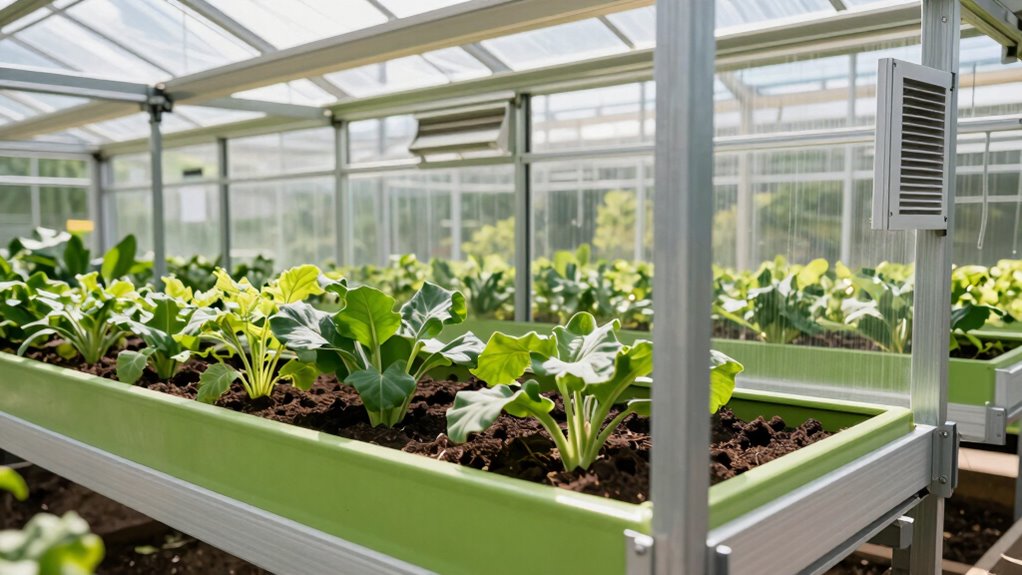
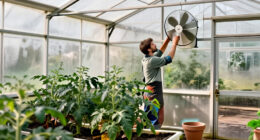
Ensuring proper ventilation in your raised bed greenhouse is key to maintaining healthy plant growth and a stable environment. Natural ventilation, such as adjustable vents or open sides, helps regulate temperature and humidity without energy costs. These passive systems promote airflow and prevent overheating during hot days. However, in more enclosed greenhouses, exhaust fans become essential. They actively remove excess heat, humidity, and stale air, ensuring fresh air circulation continuously. When choosing a ventilation system, consider your climate, greenhouse size, and plant needs. Incorporating household products like fans or vents can also improve airflow efficiency. Additionally, understanding battery inverter generators and their capacity can help you select reliable power sources for ventilation equipment during outages. Proper ventilation systems are vital for healthy plants and a productive gardening environment. To optimize airflow, integrating automated control systems can help adjust ventilation based on environmental conditions and reduce manual effort.
Essential Accessories and Features to Maximize Growing Success in Raised Bed Greenhouses

To maximize your growing success in a raised bed greenhouse, integrating essential accessories and features can make a significant difference. Including tools for plant propagation, like seed trays and heating mats, helps you start plants early and boost growth. Adjustable shelving and hanging planters optimize space and improve airflow. To manage pests effectively, install insect screens and consider beneficial insect habitats. Automated watering systems ensure consistent moisture, reducing stress on plants. Climate control features, such as thermostats and shade cloths, maintain ideal conditions year-round. These accessories streamline plant care, improve yields, and protect your crops. Additionally, understanding the importance of plant emotions and behaviors can help you better respond to your plants’ needs and promote healthier growth. Recognizing microclimates within your greenhouse can also help you tailor conditions for different plant varieties. For example, incorporating natural elements like rocks and native plants can enhance biodiversity and create a more resilient environment. The horsepower of electric dirt bikes demonstrates how powerful motors can enhance off-road performance, just as selecting the right climate control features can boost plant health. Incorporating monitoring tools like soil moisture sensors can further optimize your watering routines and prevent over- or under-watering. By selecting the right tools and features, you create a more efficient and productive environment, setting the stage for successful gardening in your raised bed greenhouse.
What Factors Influence the Cost of a Raised Bed Greenhouse Kit Without Sacrificing Quality?

The cost of a raised bed greenhouse kit without sacrificing quality depends on several key factors, each influencing the overall price and value. Your pricing strategies and selection of material quality play critical roles.
- Material quality: Higher-grade materials like treated wood or sturdy aluminum increase durability and cost but guarantee longevity. Selecting materials with long-term durability, can reduce maintenance expenses over time. Investing in quality materials upfront can also help prevent costly repairs or replacements later. Additionally, choosing materials with proven weather resistance ensures your greenhouse withstands environmental challenges, reducing future costs.
- Frame design: More complex or customizable frames often come at a premium, affecting your budget. Designing a frame with functional flexibility can also influence costs but offers greater adaptability for different gardening needs.
- Size and dimensions: Larger kits require more materials, raising the overall cost.
- Additional features: Ventilation, insulation, or automatic systems can elevate prices but enhance functionality without compromising quality.
Considering the material durability of your chosen components can also impact long-term costs and maintenance needs. Balancing these factors helps you find a kit that fits your budget while maintaining high standards for durability and performance.
Which Frame Styles and Designs Are Best Suited for Raised Bed Greenhouses?
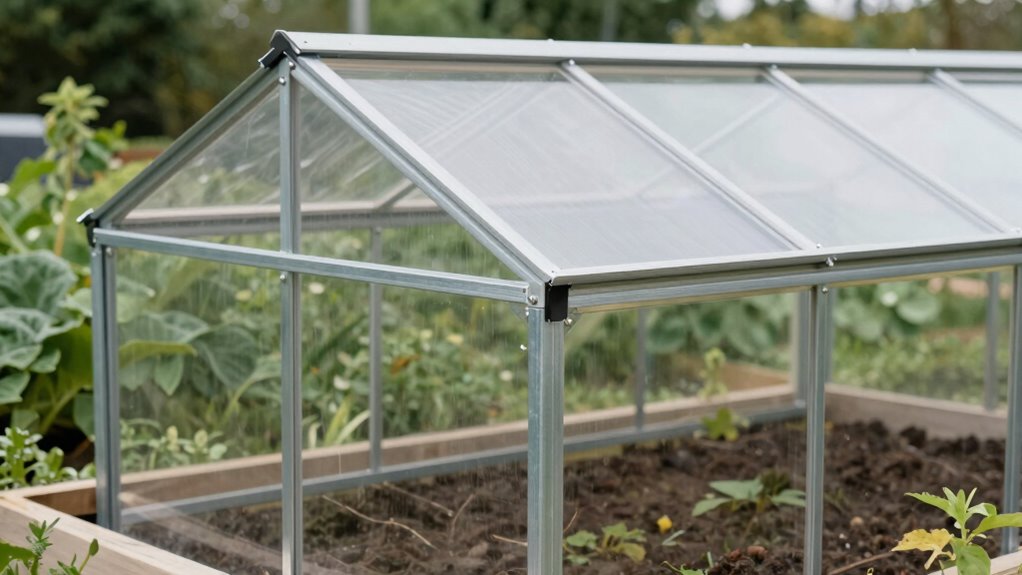
Choosing the right frame style for your raised bed greenhouse depends on your specific needs and space constraints. There are various design options, from sturdy aluminum and galvanized steel to lighter wood or PVC frames. Consider your climate and how much durability you need—metal frames offer strength and longevity, while wood provides a natural look and easier customization. Some design options feature traditional rectangular shapes, maximizing space, while others incorporate curved or arched styles for aesthetic appeal and improved airflow. Your choice should align with your gardening goals, maintenance preferences, and available space. The best frame styles balance functionality with durability, ensuring your raised bed greenhouse remains stable and accessible for years to come. Incorporating artistic expression in your design can also enhance the overall aesthetic, making your greenhouse a more inviting space. Additionally, understanding the importance of proper materials can help you select a frame that withstands environmental conditions over time.
Will Your Greenhouse Fit? Checking Space and Site Conditions for Proper Installation
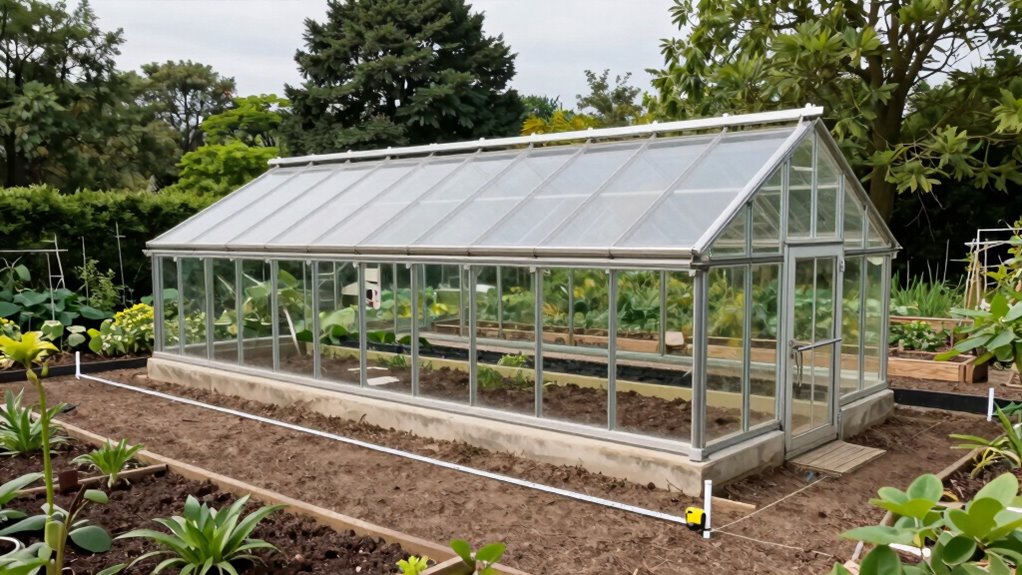
Ensuring your greenhouse fits properly on your site requires careful assessment of available space and site conditions. Start by measuring the area to guarantee ample room for your raised beds and access. Check the terrain—preferably flat or gently sloped—to simplify installation and prevent drainage issues. Consider soil preparation; healthy soil reduces pest problems and supports plant growth. Evaluate sunlight exposure throughout the day to maximize plant health. Finally, inspect for pests and implement prevention measures before setup. Proper site conditions help avoid future disruptions, making installation smoother and plant care easier. Confirm the space can accommodate your greenhouse’s size and ensure the environment supports soil health and pest prevention for long-term success.
How to Choose Lighting and Climate Control Options for Raised Bed Greenhouses

Choosing the right lighting and climate control options is essential for keeping your raised bed greenhouse productive year-round. You’ll want to evaluate the ideal lighting strategies to guarantee healthy plant growth and select climate controls that maintain stable temperatures and humidity. By understanding your plants’ needs, you can select solutions that maximize growth and minimize energy use.
Optimal Lighting Strategies
When selecting lighting and climate control options for your raised bed greenhouse, understanding the specific needs of your plants is essential. Proper artificial lighting and light positioning guarantee healthy growth and productivity.
- Choose the right type of artificial lighting, like LED grow lights, that provide the full spectrum your plants need.
- Position lights at the correct distance to avoid stretching or shading; generally, 12-24 inches above plants works well.
- Adjust light duration based on plant growth stages, increasing during vegetative phases and decreasing during flowering.
- Use reflective surfaces or walls to maximize light distribution and minimize shadows.
Focusing on these strategies helps optimize your greenhouse’s lighting, promoting vigorous growth and healthy yields.
Climate Control Solutions
Selecting the right climate control solutions for your raised bed greenhouse is crucial to maintaining ideal conditions year-round. Proper temperature and humidity management support plant propagation and boost growth. Consider ventilation systems or exhaust fans to prevent excess humidity, which can lead to pests and diseases. Installing heaters or cooling options helps regulate temperature during extreme weather. Automated climate controls allow you to set and monitor conditions easily. These solutions also aid pest management by reducing stress on plants, making them less vulnerable to infestations. Additionally, selecting shading options can prevent overheating in summer. Tailoring climate control to your specific plants ensures healthy growth, improves yields, and creates a stable environment for plant propagation while minimizing pest issues.
How to Evaluate Ease of Assembly and Long-Term Maintenance of Greenhouse Kits
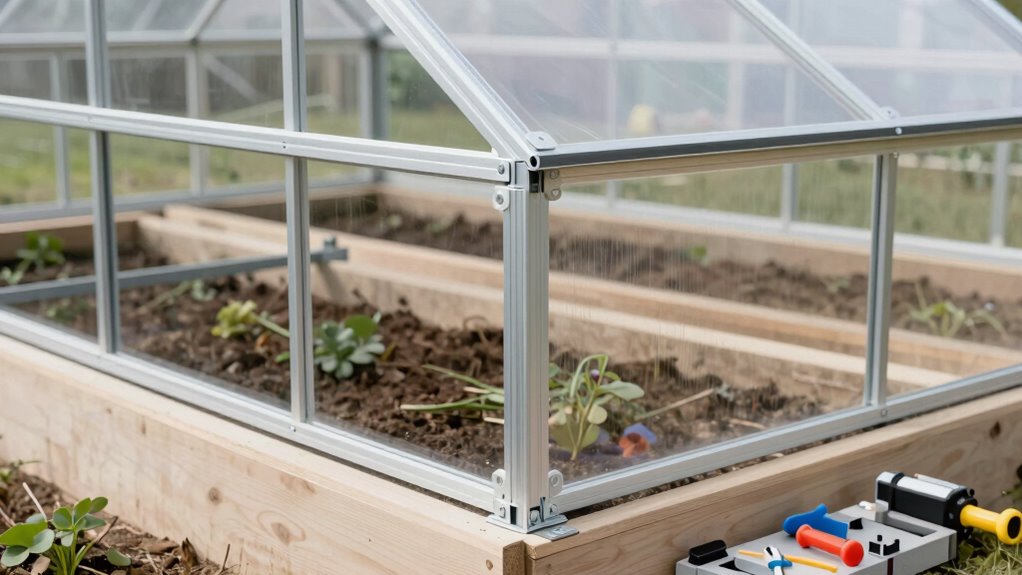
When choosing a greenhouse kit, consider how easy it is to assemble and what tools you’ll need. Look for clear instructions and minimal parts to reduce frustration. Also, think about the long-term maintenance, like cleaning and replacing parts, to guarantee it stays functional for years.
Assembly Complexity and Tools
Evaluating the assembly complexity of a greenhouse kit is crucial, especially if you plan to set it up yourself or periodically perform maintenance. Clear assembly instructions make the process smoother, so check if they’re detailed and easy to follow. Tool requirements are equally important; verify you have or can easily acquire the necessary tools. Consider these key points:
- Assembly instructions: Look for step-by-step guides or videos that clarify each stage.
- Tool requirements: Confirm if basic tools like screwdrivers or drills are needed and if specialized tools are necessary.
- Ease of assembly: Determine if the kit is designed for straightforward setup or if it involves complex construction.
- Long-term maintenance: Assess if the design allows easy access for repairs or adjustments over time.
Choosing a kit with simple instructions and minimal tool requirements saves time and effort.
Maintenance Requirements Over Time
Once you’ve checked that the greenhouse kit is easy to assemble and requires minimal tools, it’s important to reflect on how it will hold up over time. Consider maintenance tasks like watering frequency and pest prevention, which impact long-term care. A durable structure simplifies routine checks, reducing effort and cost.
| Aspect | What to Look For |
|---|---|
| Watering frequency | Materials that resist moisture and clumping |
| Pest prevention | Built-in pest barriers or easy access points |
| Durability | Rust-resistant frames and weatherproof panels |
A well-designed kit minimizes ongoing maintenance, making it easier to keep your raised beds thriving with less effort. Regular inspections of these features ensure your greenhouse remains functional and pest-free over the years.
Frequently Asked Questions
Can I Customize a Greenhouse Kit for Specific Plant Needs?
Yes, you can customize a greenhouse kit for your specific plant needs. Focus on adjusting the structure to accommodate plant height, ensuring taller plants have enough space. Additionally, choose ventilation options that suit your climate and plant requirements, like adjustable vents or fans. Customizing these elements helps create the ideal environment, promoting healthy growth and preventing issues like overheating or humidity buildup.
Are There Eco-Friendly Greenhouse Kit Options Available?
Think of it as planting a seed for the future—you’ll find eco-friendly greenhouse kits made with sustainable materials and eco-friendly designs. These options reduce environmental impact while still offering durability and functionality. Many companies now prioritize green practices, using recycled or low-impact materials. So, when choosing your kit, look for those that emphasize sustainability, helping you grow your plants and support the planet simultaneously.
How Do I Ensure Proper Drainage in Raised Bed Greenhouses?
To guarantee proper drainage in your raised bed greenhouse, start by using well-draining soil amendments like compost and coarse sand. Avoid heavy clay soils that retain water. Incorporate a layer of gravel or small stones at the bottom of your beds to improve water flow. Regularly monitor for pests that can clog drainage, and keep the soil aerated to prevent waterlogging, promoting healthy plant growth.
What Safety Features Should I Look for in Greenhouse Kits?
You should look for safety features like reliable ventilation systems to prevent overheating and guarantee fresh air flow, along with sturdy security features such as lockable doors and reinforced frames. These elements protect your plants and yourself, maintaining a safe environment. Ventilation systems promote healthy growth, security features safeguard your investment, and durable materials prevent accidents. Prioritize these features to create a safe, secure, and thriving greenhouse space.
How Do Climate Zones Affect Greenhouse Kit Selection?
Climate zones greatly influence your greenhouse kit choice. You need to take into account climate adaptation by selecting a kit compatible with your zone’s temperature and humidity levels. Look for zone compatibility to guarantee your greenhouse can withstand local weather patterns, such as cold winters or humid summers. Choosing the right kit helps maintain ideal growing conditions year-round, protecting your plants and maximizing your gardening success regardless of your climate zone.
Conclusion
When choosing a greenhouse kit, consider your space, your plants, and your budget. Assess your needs, compare materials, and select the right size, style, and features. Prioritize ventilation, lighting, and ease of assembly to guarantee long-term success. By focusing on durability, functionality, and your specific gardening goals, you’ll create a thriving environment. Make informed choices, plan carefully, and enjoy the beauty and bounty your raised bed greenhouse will bring.
Halloween Picks
halloween
As an affiliate, we earn on qualifying purchases.