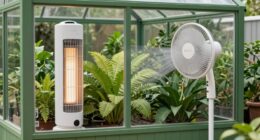
To install ventilation fans and louvers, first assess your space to identify areas with poor airflow or excess humidity. Choose appropriately sized, energy-efficient fans and weather-resistant louvers, positioning exhaust fans near moisture sources and intake louvers outside away from pollutants. Follow manufacturer instructions for proper wiring and secure mounting. Test the system for airflow and operation, and adjust as needed. This basic setup can greatly enhance your indoor air quality—keep exploring for more detailed tips!
Key Takeaways
- Assess the space to identify areas needing ventilation and determine optimal fan and louver placement.
- Select appropriately sized, energy-efficient fans and weather-resistant louvers suited for the space.
- Follow manufacturer instructions for secure mounting and correct electrical wiring during installation.
- Test airflow, operate louvers smoothly, and adjust settings to optimize ventilation performance.
- Perform regular maintenance and consider automation controls to enhance efficiency and air quality.
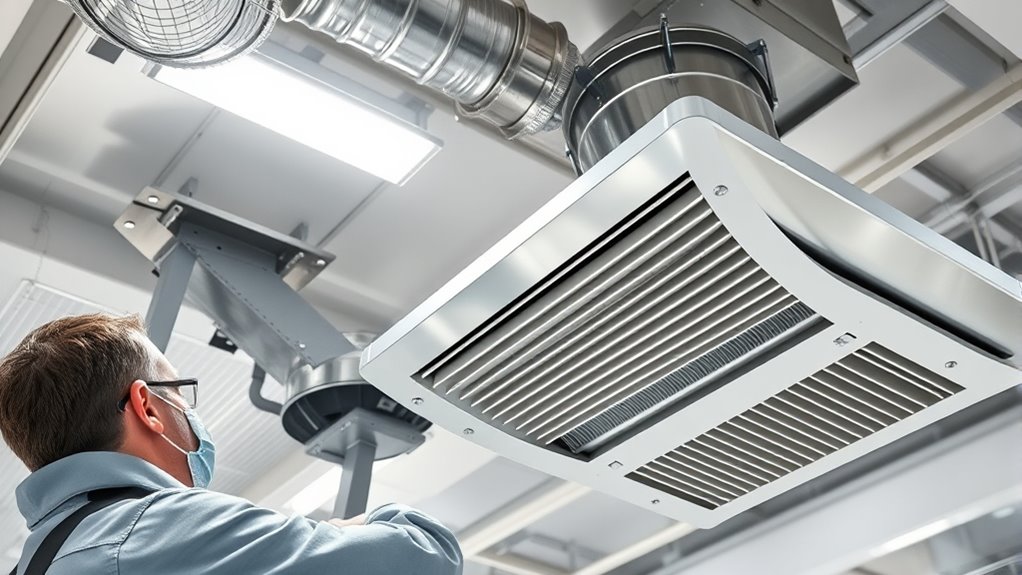
Installing ventilation fans and louvers is a straightforward process that can greatly improve airflow and air quality in your space. When you choose to enhance your ventilation system, you’re taking a crucial step toward airflow enhancement, which guarantees fresh air circulates efficiently while minimizing stale air buildup. Proper installation can also boost energy efficiency, helping you save on utility costs without sacrificing comfort or air quality. Whether you’re upgrading an existing system or installing new units, focusing on correct placement and integration makes all the difference in achieving these benefits.
Installing ventilation fans and louvers boosts airflow, air quality, and energy efficiency in your space.
First, assess your space to determine where airflow is most needed. Identify zones with poor ventilation, excess humidity, or odors, and plan to install fans or louvers accordingly. When installing ventilation fans, you want to place them where they can draw in fresh air or exhaust stale air effectively. Typically, exhaust fans work best near sources of moisture or odors, such as kitchens and bathrooms. Intake fans or louvers should be positioned to pull in fresh air from outside, ideally in locations less affected by external pollutants or noise. This strategic placement guarantees your system promotes suitable airflow and prevents air stagnation.
Next, consider the size and capacity of your fans and louvers. Oversized units might consume unnecessary energy, while undersized ones won’t provide sufficient airflow. To maximize airflow, select a fan with a capacity appropriate for your space’s volume and ventilation needs. When installing louvers, make sure they are designed to allow free airflow while providing adequate weather protection. Proper sealing around the units prevents leaks and drafts, maintaining energy efficiency and preventing unwanted air infiltration.
Electrical wiring and mounting are critical steps. Follow manufacturer instructions carefully, ensuring secure mounting and proper electrical connections. Use energy-efficient models with features like variable speed controls, which let you adjust airflow according to demand. This flexibility enhances energy efficiency by reducing unnecessary power consumption when full airflow isn’t required. Additionally, install controls such as timers or sensors to automate operation, further conserving energy and maintaining consistent airflow.
Finally, test your system thoroughly. Turn on the fans and observe airflow patterns, making adjustments as needed. Confirm that louvers open and close smoothly and that airflow is unobstructed. Regular maintenance, such as cleaning filters and checking seals, keeps your ventilation system functioning at peak performance. Properly installed ventilation fans and louvers not only improve air quality but also contribute to a more energy-efficient environment. By paying attention to placement, sizing, and controls, you’ll enjoy suitable airflow while keeping energy costs in check, creating a healthier, more comfortable space. Additionally, selecting self watering plant pots with appropriate features can help maintain indoor humidity levels, supporting overall air quality and plant health.
Frequently Asked Questions
What Are the Energy Efficiency Considerations for Ventilation Fans?
You should consider energy efficiency by choosing ventilation fans with ENERGY STAR ratings, which guarantee lower energy consumption. Also, check noise levels to avoid disruptive operation. Opt for models with high efficiency and quiet operation to save on energy costs and maintain a comfortable environment. Properly sizing and maintaining your fan can further improve efficiency, helping you reduce your overall energy footprint while keeping air quality ideal.
How Do I Choose the Right Size of Louver for My Space?
You should choose a louver size based on your space’s ventilation needs and installation location considerations. Measure the area accurately to guarantee proper airflow, and select a louver material that withstands your environment—metal for durability or plastic for lightweight needs. Properly positioning the louver ensures ideal performance and prevents water or debris entry. Always verify local building codes to ensure your selection complies with safety and efficiency standards.
Can Ventilation Fans Be Installed in Wet or Humid Environments?
Yes, you can install ventilation fans in wet or humid environments, but you need to prioritize moisture resistance and corrosion protection. Choose fans specifically designed for damp conditions, featuring waterproof housings and corrosion-resistant components. These fans handle humidity and moisture, preventing rust and damage. Make sure to install them properly, sealing all connections, so they operate efficiently and endure the moisture-heavy environment for years to come.
What Maintenance Is Required for Ventilation Fans and Louvers?
You should regularly maintain your ventilation fans and louvers by replacing air filters every 3-6 months to guarantee ideal airflow. Check and clean louvers to prevent dust buildup, and inspect motors for signs of wear. Lubricate the motor if needed, following the manufacturer’s guidelines. Regular maintenance keeps your system running efficiently, extends its lifespan, and maintains indoor air quality.
Are There Any Building Code Restrictions for Installing Ventilation Systems?
Think of building codes as the roadmap to safety; they’re not just rules but safeguards. You’ll need building permits for installation, and fire safety regulations are paramount. Local codes vary, so check with your municipality before proceeding. Ignoring these restrictions can lead to fines or dangerous situations. So, follow the rules, get the permits, and guarantee your ventilation system keeps your space safe and compliant.
Conclusion
Now that you’ve installed your ventilation fans and louvers, imagine the breeze flowing effortlessly through your space, cooling and revitalizing the air as if nature itself is joining in. It’s no coincidence that your efforts create a more comfortable environment — your careful work has opened a new chapter of fresh air and better airflow. With this simple upgrade, you’ve brought harmony between your home and the gentle, constant whisper of the wind outside.