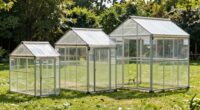
To save years of frustration, place your greenhouse in an open, breezy spot with good airflow, avoiding stagnant, damp areas. Choose durable materials like galvanized steel or treated wood to withstand weather. Position it where it gets plenty of sunlight but isn’t exposed to harsh afternoon heat. Make certain easy access to water and utilities for maintenance. Focus on these key points, and you’ll create a stable environment that promotes healthy growth and minimizes problems—there’s much more to discover if you keep exploring.

Get garden gear delivered free with Prime
- Fast, free delivery on millions of items
- Prime Video, Amazon Music and more included
- Member-only deals all year
Key Takeaways
- Choose an open, breezy location to maximize natural airflow and prevent overheating.
- Position the greenhouse in a sunny spot with balanced sunlight, avoiding harsh afternoon exposure.
- Use durable, weather-resistant materials to ensure longevity and reduce maintenance.
- Place the greenhouse where it’s easily accessible near water sources for efficient care.
- Consider overall placement by balancing ventilation, sunlight, durability, and convenience for optimal growth.
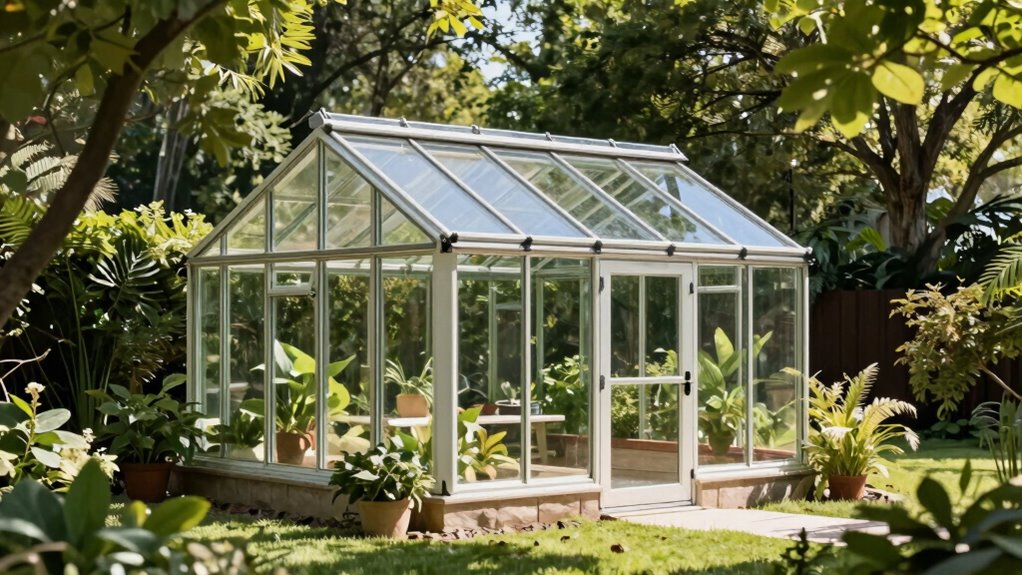
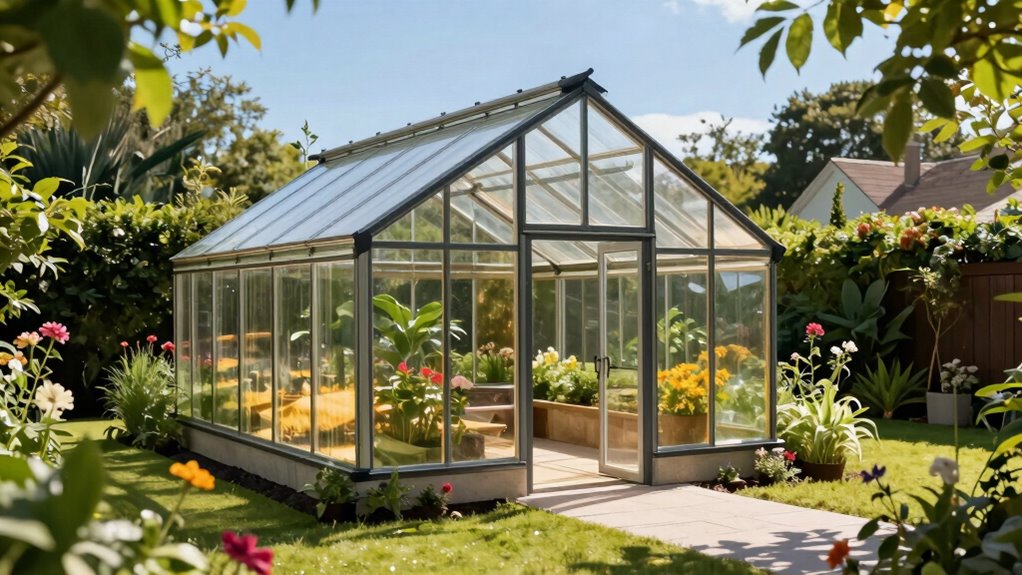
Are you unsure where to place your greenhouse for ideal growth? The key to a successful setup lies in understanding the importance of strategic placement. A simple rule can save you years of frustration: position your greenhouse where it can benefit from proper ventilation. Proper airflow is essential to prevent overheating, reduce humidity, and promote healthy plant development. When you choose a location that naturally encourages air circulation—such as an open, breezy spot—you’ll minimize the need for mechanical ventilation systems and create a more stable environment for your plants. This not only enhances growth but also reduces energy costs over time.
Choose an open, breezy spot for your greenhouse to ensure proper ventilation and healthier plant growth.
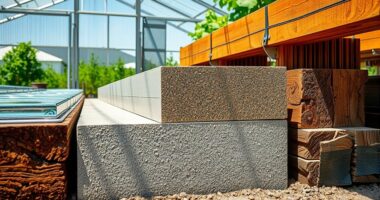
In addition to ventilation, pay attention to the material durability of your greenhouse structure. You want materials that can withstand the local climate, resist corrosion, and endure the test of time. High-quality materials like galvanized steel or treated wood tend to last longer and require less maintenance, ensuring your investment stays protected. Avoid cheap, low-grade materials that may warp, rust, or degrade after just a few seasons. By choosing durable materials, you’re effectively future-proofing your greenhouse, reducing repair costs, and ensuring consistent protection for your plants regardless of weather fluctuations. Recognizing environmental factors that influence greenhouse performance can help you make better placement decisions from the start.
Positioning your greenhouse in a sunny location is equally crucial. While sunlight is necessary for photosynthesis, it’s equally important to ensure your greenhouse isn’t exposed to harsh afternoon sun that can cause excessive heat buildup. Incorporating some shade or choosing a spot with balanced sunlight exposure can help maintain a comfortable temperature inside. This approach, combined with ventilation optimization, creates a stable environment where your plants can thrive without the stress of extreme temperature swings. Additionally, understanding climate conditions can help you select the best location for year-round success. Recognizing local microclimates can further refine your placement choices to maximize plant health.
Another consideration is the accessibility and convenience of your greenhouse location. You want to place it where you can easily tend to your plants, monitor growth, and perform maintenance. Being close to water sources and utilities can streamline watering and heating needs, while avoiding overly shaded or congested areas prevents airflow blockages and dampness that could lead to disease.
Ultimately, following this simple placement rule—focusing on ventilation, material durability, sunlight, and accessibility—can dramatically reduce your gardening struggles. It’s a straightforward approach that ensures your greenhouse functions efficiently, lasts longer, and provides the ideal environment for your plants to flourish. Taking the time to select the right spot now will save you countless headaches and enhance your gardening experience for years to come.
As an affiliate, we earn on qualifying purchases.
Frequently Asked Questions
Can This Rule Be Applied to Any Climate Zone?
Yes, you can apply this rule in any climate zone, but you need to take wildlife interference and soil compatibility into account. In colder or diverse climates, place your greenhouse where wildlife is less likely to cause damage and guarantee the soil suits your plants. Adjusting your placement based on local conditions helps prevent frustration and maximizes your greenhouse’s success, no matter where you’re located.
How Does This Rule Affect Energy Efficiency?
Think of your greenhouse as a well-orchestrated symphony—proper placement tunes energy efficiency. By applying this rule, you optimize insulation and ventilation strategies, reducing heat loss and gain. This balance minimizes energy use, saving you money and effort. When you position your greenhouse thoughtfully, you guarantee consistent temperatures and better climate control, turning your space into a model of energy efficiency. It’s like giving your plants and wallet a gust of fresh air.
Is There an Ideal Distance From the House?
You should place your greenhouse about 3 to 10 feet from your house, ensuring it gets ample sunlight while benefiting from wind protection. This distance promotes healthy plant growth by reducing wind stress and temperature fluctuations. It also allows for easier access and maintenance. Keep in mind, too close can cause overheating, and too far might reduce wind shielding, so find a balance that maximizes plant growth and wind protection.
Does This Rule Consider Local Shade Patterns?
Yes, this rule considers local shade patterns and climate. You should analyze how shade moves across your property throughout the day and seasons to position your greenhouse effectively. By understanding your area’s shade patterns and local climate, you can place your greenhouse where it gets ideal sunlight, minimizing shading issues and maximizing warmth. This approach helps guarantee your plants thrive without unnecessary frustration or adjustments later.
Can It Be Used for Small or Portable Greenhouses?
Yes, you can apply this placement rule to small structures and portable greenhouses. It helps you maximize sunlight exposure and avoid shade issues, even for compact setups. When positioning portable greenhouses, consider nearby trees or structures that might cast shadows during different times of the day. Proper placement guarantees your small structures get enough light, boosting plant growth and making your gardening efforts more successful without the frustration of poor sunlight access.
Conclusion
By following this simple greenhouse placement rule, you’ll avoid years of frustration and guesswork. It’s like having a trusted map in a maze—clear, straightforward, and reliable. While others stumble through trial and error, you’ll enjoy lush, thriving plants with minimal effort. The difference between frustration and success is often just one smart decision. Embrace this rule, and watch your greenhouse flourish—turning years of struggle into effortless growth, all with a single, simple step.
Halloween Picks
halloween
As an affiliate, we earn on qualifying purchases.