
TL;DR

Get garden gear delivered free — and shop member deals
- Fast, free delivery on millions of items
- Access to Prime Big Deal Days deals on October 6–7
- Prime Video, Amazon Music and more included
Gardeners can now plant five native species from seed in September, offering an easy, cost-effective way to expand gardens and support local ecosystems. Experts highlight key plants suitable for this period.
Gardening enthusiasts are increasingly turning to native plants for sustainable landscaping, with five species identified as particularly easy to grow from seed in September. This shift aims to promote biodiversity and support local wildlife, making it a timely trend for gardeners seeking cost-effective, eco-friendly options.
Recent observations indicate a surge in interest around planting native plants from seed during September, which can be facilitated by learning how to harvest seeds in September for free plants next year. Experts note that these five species are especially suitable for sowing now due to their natural growth cycles and adaptability. The plants include purple coneflowers, black-eyed Susans, wild columbines, bee balm, and switchgrass, all of which are native to various regions and beneficial for attracting pollinators.
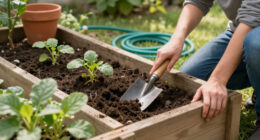
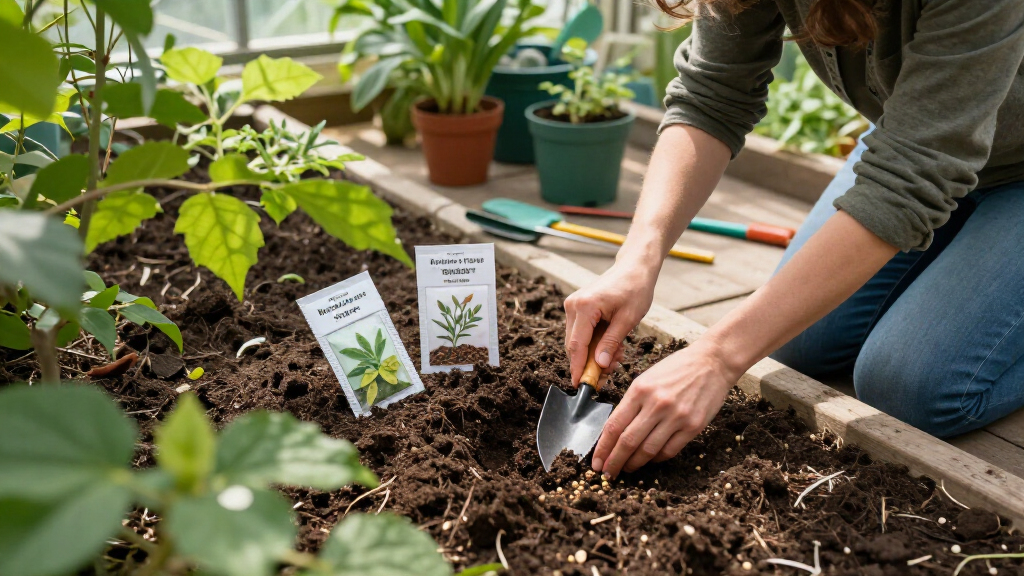
According to horticultural specialists, these plants can be harvested from seed or purchased as seed packets, making them accessible for gardeners of all experience levels. The process involves collecting seeds from existing plants or buying fresh seed, then sowing directly into prepared soil, often requiring minimal additional care. You might also consider saving tomato seeds for future planting. This method reduces gardening costs and encourages local plant propagation.
While planting from seed in September is generally effective, timing and local climate conditions influence success. To improve your seed-starting skills, see can I save tomato seeds?. Experts recommend planting in well-drained soil with adequate sunlight and ensuring seeds are kept moist during germination. The plants typically establish themselves over the fall and emerge stronger in spring, providing early blooms and habitat for pollinators.
Why Planting Native Seeds in September Matters
This trend is significant because planting native species from seed in September supports local biodiversity and reduces the need for imported plants or chemical interventions. Native plants are adapted to regional climate and soil conditions, making them more resilient and easier to maintain. Additionally, they provide critical food and habitat for bees, butterflies, and other pollinators, which are vital for ecosystem health.
Furthermore, growing native plants from seed is a cost-efficient strategy that encourages community participation in conservation efforts. As more gardeners adopt this practice, it can lead to broader ecological benefits, including the stabilization of local plant populations and improved resilience against invasive species.
native plant seed packets for planting
As an affiliate, we earn on qualifying purchases.
As an affiliate, we earn on qualifying purchases.
Native Plant Gardening Trends and Seasonal Planting Windows
Interest in native plant gardening has increased over recent years, driven by environmental awareness and the desire for sustainable landscaping options. Traditionally, planting native species involved purchasing mature plants or seedlings, but recent trends emphasize seed sowing as a more affordable and eco-friendly approach.
September is recognized as an optimal window for sowing many native species because it aligns with their natural germination cycles and allows plants to establish roots before winter. Although specific regional timing can vary, experts agree that this period offers the best chance for successful seedling development in temperate zones.
While the trend is gaining momentum, it remains a subject of ongoing observation, with some sources suggesting that certain species may perform better with different timing or methods, depending on local conditions.
Unconfirmed Aspects of September Native Seed Planting
While experts agree on the general benefits of planting native seeds in September, specific success rates and optimal methods vary by region. It remains unclear whether all five species will perform equally well across different climates or soil types. Additionally, the long-term ecological impacts of mass seed sowing in this manner are still being studied, and some claims about its effectiveness are based on anecdotal evidence rather than comprehensive research.
Next Steps for Gardeners and Researchers
Gardeners are encouraged to try planting these native seeds this September, paying attention to local conditions and following best practices for seed sowing. Meanwhile, researchers and horticulturalists are expected to monitor the outcomes of these efforts to refine planting guidelines and assess ecological benefits. Future studies may also explore the potential for expanding this approach to other native species and regions.
Key Questions
Which native plants are easiest to grow from seed in September?
According to recent observations, five species—purple coneflowers, black-eyed Susans, wild columbines, bee balm, and switchgrass—are among the easiest to sow from seed during September.
Can I harvest seeds from my existing plants for planting in September?
Yes, collecting seeds from your existing native plants is a common method. Ensure seeds are mature and dry before storing or planting them directly into prepared soil.
What are the best conditions for sowing native seeds in September?
Seeds should be sown in well-drained soil with adequate sunlight, kept moist during germination, and protected from extreme weather. Timing and local climate will influence success.
Are there any risks or downsides to planting native seeds now?
While generally safe, planting at the wrong time for your specific region or soil conditions may reduce germination success. It’s advisable to follow local planting guides and monitor weather patterns.
Will planting native seeds support local wildlife?
Yes, native plants provide essential food and habitat for pollinators, birds, and other wildlife, contributing to healthier local ecosystems.
Source: rss
Halloween Picks
halloween
As an affiliate, we earn on qualifying purchases.