TL;DR

Get garden gear delivered free with Prime
- Fast, free delivery on millions of items
- Prime Video, Amazon Music and more included
- Member-only deals all year
Amateur Gardening has published five practical suggestions for reducing slug and snail damage in vegetable patches as wet weather returns: water in the morning, support wildlife, use rough barriers, inspect containers and consider nematodes. The advice is not a guarantee of protection; results can vary, and the report says gardeners should follow product instructions when applying nematodes.
Amateur Gardening has published five steps gardeners can try to limit slug and snail damage to vegetables as wetter weather returns. The advice covers morning watering, wildlife habitats, rough materials around plants, checks of pots and planters, and nematodes; the article cautions that gardening results involve trial and error, not guaranteed protection.
The report, written by Becky Bowden, says slugs and snails are more active in damp, dark conditions. Watering in the morning rather than at night allows the soil surface time to dry during daylight, according to the article, and may also reduce the risk of fungal disease by giving plants more sunlight and airflow. These are practical suggestions, not a promise that pests will stay away.
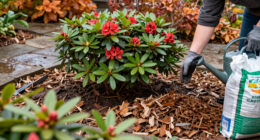
For longer-term garden changes, the report recommends creating places for wildlife, including log piles, ponds and rockeries, and leaving some leaf debris away from vegetable beds. Hedgehogs occasionally eat slugs and snails, the article says, while birds may also take some. These animals have varied diets, so attracting them should not be treated as a reliable form of pest control.
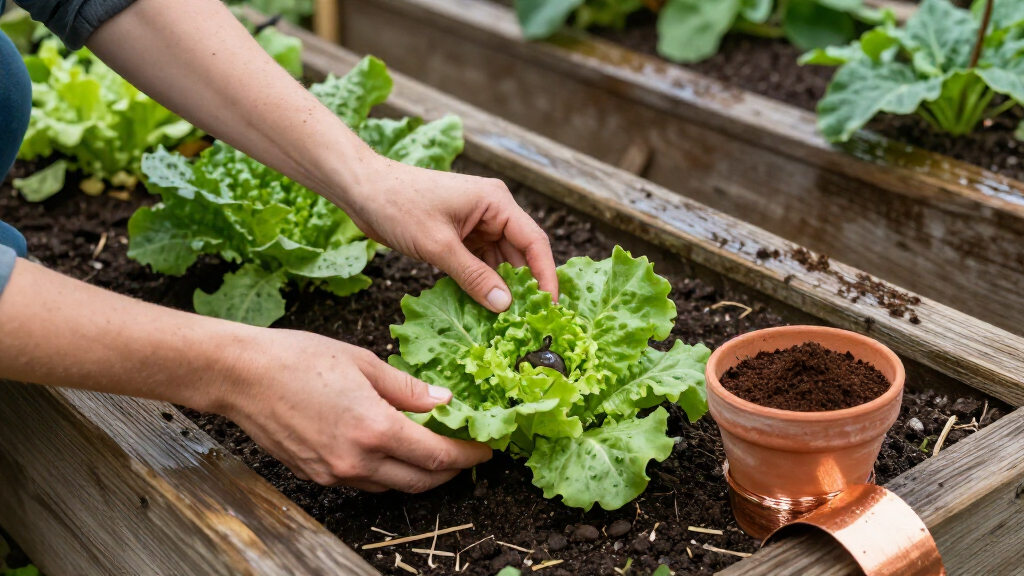
The other suggestions are to try barriers such as dry, coarsely crushed eggshells or untreated woodchips; regularly inspect beneath pots, trays and dense foliage; and consider applying nematodes during the growing season. Lawn care specialist Chrissie Handley told the publication that eggshell shards can make it harder for slugs and snails to reach plant stems. The report says coffee grounds may offer a slight deterrent but need replacing, especially after heavy rain. It describes nematodes as microscopic worms mixed with water and applied according to the packet directions.
Practical Steps for Slug-Prone Beds
Slug damage can mean lost seedlings and vegetables for people growing food at home, and wet conditions can make it harder to keep vulnerable plants protected. The guide matters as a seasonal checklist: several of its suggestions involve changing routines or checking existing hiding places rather than buying equipment.
The recommendations differ in effort and certainty. Morning watering and lifting pots for inspection are straightforward habits; attracting wildlife takes time and does not guarantee that predators will eat pests. The article also presents rough surfaces as a possible obstacle, not a complete barrier. Gardeners may need to use more than one approach and observe what works in their own patch.
Nematodes are the report’s purchased treatment option. The article advises using them in the growing season and following the product label. It does not provide comparative trial results or quantify how much damage each method prevents, so readers should not interpret the list as evidence that any one measure will protect an entire harvest.
Products Worth Considering

EGO POWER+ 21 Cordless Electric Lawn Mower Kit, Self-Propelled

Husqvarna Power Axe 350i 18-Inch Cordless Chainsaw Kit

Husqvarna 120 Mark III Gas Chainsaw, 38-cc, 2-Cycle X-Torq Engine, 16 Inch Bar
As an affiliate, we earn on qualifying purchases.
Why Wet Weather Brings Checks
The article frames its advice around a shift from an unusually dry spell toward wetter autumn weather. It says damp, dark conditions suit slug and snail movement, making the timing of watering and the places pests can hide relevant to vegetable growers. The source does not give a forecast, location-specific weather data or a dated account of when the change will occur.
Its five recommendations span prevention and monitoring: reduce overnight dampness around crops, make the garden more hospitable to wildlife, place rough materials near plant bases, look under containers and use nematodes when appropriate. The report presents these as low-cost or practical options, while acknowledging that effectiveness can vary. It is seasonal gardening advice rather than a report of a measured surge in slug numbers or a documented decline in harvests.
““Crushed eggshells work well in deterring slugs and snails from eating your plants.””
— Chrissie Handley, lawn care specialist, quoted by Amateur Gardening
How Well Each Method Works
The source does not cite controlled tests, success rates or comparisons showing how much each method reduces damage. It says eggshells and coffee grounds may deter pests, and that nematodes can help, but it provides no quantified results. Effectiveness may vary with local conditions, garden layout and the product used.
It is also unclear where and when the reported return of wet weather is expected: the article refers to conditions “this month” but the supplied source has no publication date or named forecast area. It does not report measured slug populations, crop losses or a change in harvest forecasts. Its seasonal premise is therefore advice for gardeners facing damp conditions, not confirmation of a widespread pest outbreak.
Monitor Beds After Rain
The report offers no scheduled follow-up or new data release. For gardeners, its practical next steps are to water in the morning where suitable, check beneath containers and foliage after wet spells, and assess whether rough materials or wildlife-friendly features suit their garden.
Anyone choosing nematodes should use a product intended for the purpose and follow its packet directions, including application timing and preparation. The article says gardeners can combine the approaches but should expect some trial and error; whether they reduce damage will become clearer through regular checks of plants and growing conditions.
Key Questions
What are the five methods in the report?
The guide recommends morning watering, encouraging wildlife with suitable habitats, trying rough materials near plants, checking under pots and dense foliage, and considering nematodes during the growing season.
Does morning watering prevent slug damage?
No method is presented as a guarantee. Amateur Gardening says morning watering gives soil more time to dry in daylight, while slugs and snails tend to travel in damp, dark conditions. It describes this as an added layer of protection.
Do eggshells and coffee grounds reliably keep slugs away?
The source describes eggshells as a possible deterrent and says coffee grounds may offer a slight deterrent, but it gives no measured success rate. It advises using dry eggshell shards and replacing coffee grounds after significant rainfall.
What should gardeners know before using nematodes?
The article says nematodes are mixed with water and applied during the growing season. Follow the instructions on the specific product’s packet; the report does not provide a dosage or a comparative effectiveness figure.
Are hedgehogs and birds a dependable way to control slugs?
No. The report says hedgehogs occasionally eat slugs and snails and birds may take some, but it does not present wildlife as a guaranteed control method. Its habitat suggestions are part of a broader set of measures.
Source: amateurgardening.com