
TL;DR

Get garden gear delivered free with Prime
- Fast, free delivery on millions of items
- Prime Video, Amazon Music and more included
- Member-only deals all year
The timing of grass turning green varies based on weather patterns, with most regions expecting a change between late March and early April. Experts say recent cold snaps delayed growth, but warmer weather is expected to trigger greening soon.
Grass in many temperate regions is expected to begin turning green within the next two to four weeks, according to weather experts. The timing depends heavily on local weather conditions, particularly temperature and precipitation patterns, which influence when grass begins its growth cycle. Forget Patchy Grass! This Pretty Ground Cover Could Transform Your Shady Garden With Very Little Effort This development matters to homeowners, farmers, and landscapers eager to see the arrival of spring’s lush greenery.
Recent cold weather and frost conditions across parts of North America and Europe have delayed the typical greening of grass, which usually occurs in early spring. The Lawn Repair Buys To Order Now To Help Your Frazzled Grass Recover – Before Everyone Starts Fixing Their Grass In Fall Meteorologists from the National Weather Service and European Weather Agency indicate that warmer temperatures are forecasted to arrive in the coming days, likely triggering the start of grass growth in most regions by late March or early April.
Experts explain that grass begins to turn green when soil temperatures reach approximately 50°F (10°C). Currently, many areas are still experiencing soil temperatures below this threshold due to lingering cold spells. However, a pattern of warming is expected to set in, which should accelerate grass growth. Local farmers and landscapers are closely monitoring weather updates to plan their planting and maintenance schedules accordingly. Every Year, I Panic Over My Green Tomatoes – And My Professional Gardener Husband Has Some Thoughts
While the exact timing varies regionally, the general consensus among meteorologists is that the delayed greening is a temporary setback caused by recent cold snaps, and the natural cycle will resume as soon as conditions improve. Some regions, particularly those with milder winters, have already seen early signs of grass turning green, indicating that the transition is underway in certain areas.
Impacts of Delayed Greening on Agriculture and Landscaping
The timing of grass turning green is a key indicator of spring’s arrival and influences agricultural planning, lawn care, and ecological cycles. A delay can affect planting schedules for farmers and delay the aesthetic and recreational benefits for homeowners and communities. Understanding when grass will turn green helps stakeholders prepare for the upcoming growing season and manage expectations.
As an affiliate, we earn on qualifying purchases.
Recent Weather Patterns and Historical Greening Trends
This year’s delayed greening follows a winter characterized by unusually cold temperatures and late frosts across much of North America and Europe. Historically, grass begins to turn green between late March and early April in temperate zones, but recent weather anomalies have pushed this timeline back. Past data from the National Weather Service shows that in years with cold snaps extending into early spring, grass greening can be delayed by one to two weeks. Weather experts say that the current forecast suggests a return to normalcy, but local variations will still influence exact timing.
Earlier in the season, some regions experienced early blooming of certain plants, but the overall greening of grass has been sluggish. This pattern aligns with broader climate variability, which can cause fluctuations in seasonal transitions. As soil temperatures rise, the greening process will accelerate, marking the official start of the growing season in most areas.
“Delayed greening can impact planting schedules and crop management plans. Farmers need to stay alert to weather updates to optimize their planting windows.”
— John Miller, Agricultural Expert at FarmTech Advisors
Factors That Could Still Delay or Accelerate Greening
While forecasts predict warming in the coming days, uncertainties remain regarding the exact soil temperature increases and the persistence of cold snaps. Sudden cold spells or unexpected weather fluctuations could delay grass greening beyond current estimates. Conversely, an earlier-than-expected warm-up could hasten the process. Local microclimates and soil conditions also contribute to variability, making precise timing difficult to predict with certainty.
Upcoming Weather Changes and Monitoring Trends
Meteorologists will continue to monitor weather patterns over the next two weeks, providing updates on temperature trends and soil conditions. Stakeholders such as farmers, landscapers, and environmental agencies will watch for official forecasts indicating the start of greening. In the short term, warmer temperatures are expected to arrive, which should lead to visible signs of grass turning green in most areas by late March or early April. Local observations will confirm the precise timing for each region.
Key Questions
Why is grass greening delayed this year?
The delay is primarily due to recent cold weather and frost conditions that kept soil temperatures below the threshold needed for grass growth. A pattern of warming is forecasted to change this soon.
When can I expect my lawn to turn green?
Most regions are expected to see grass turn green between late March and early April, depending on local weather conditions and soil temperature increases.
How do weather patterns affect grass growth?
Grass begins to turn green when soil temperatures reach around 50°F (10°C). Cold snaps delay this process, while sustained warmth accelerates it.
Will climate change impact the timing of greening in future years?
Yes, climate variability can influence seasonal patterns, potentially causing earlier or later greening depending on broader climate trends and local weather fluctuations.
What should I do to prepare my lawn for spring?
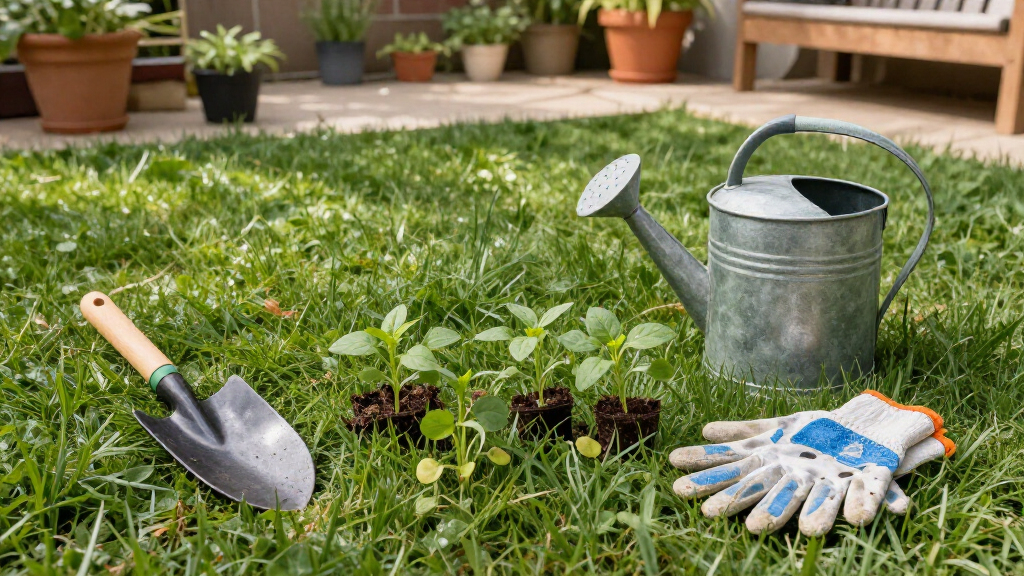
Monitor local weather forecasts, avoid early fertilization until grass starts to turn green, and prepare tools and supplies for lawn care once growth begins.
Source: fediverse
Fall yard work Picks
leaf blowers
As an affiliate, we earn on qualifying purchases.