
TL;DR

Get garden gear delivered free — and shop member deals
- Fast, free delivery on millions of items
- Access to Prime Big Deal Days deals on October 6–7
- Prime Video, Amazon Music and more included
Grow Organic’s October gardening guide outlines seasonal tasks for planting spring bulbs, garlic and other crops, harvesting produce before frost, and protecting plants and equipment from cold, wet weather. The right timing depends on local climate and the first frost date; the source does not specify a single region or provide a publication date.
Grow Organic’s October gardening guide sets out seasonal tasks for gardeners preparing for colder weather, from planting spring-flowering bulbs, garlic and onions to harvesting crops before frost and protecting tender plants. The advice highlights that October work can affect both this season’s harvest and what grows in spring, although timing will depend on local climate and frost conditions.
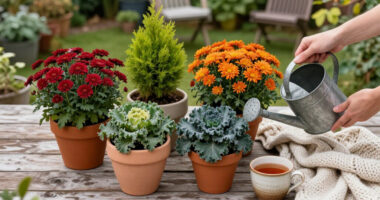
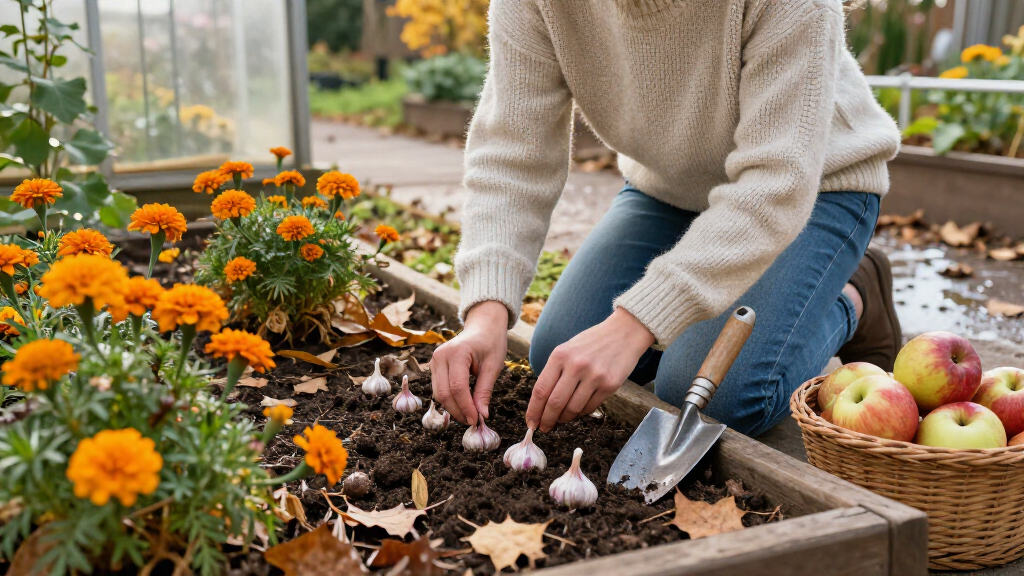
Grow Organic’s checklist recommends planting spring bulbs such as daffodils, tulips, crocus, iris and hyacinths in beds or pots, with compost and bulb fertilizer added to the soil. For more ideas, see flowers to plant in October. The guide also identifies fall as a planting period for garlic, onions, shallots and leeks, which can produce a spring or summer harvest. In areas with mild winters, it says gardeners can sow wildflowers, including larkspur, nigella and sweet peas. For fall color, the checklist suggests options such as mums, pansies, violas and primrose.
For harvesting, Grow Organic advises picking green tomatoes before the first frost, digging potatoes after their plants have died back, and bringing in remaining pumpkins, winter squash, dry corn and beans before rainy weather. It recommends storing produce dry in a cool place. The guide also suggests taking and drying cuttings from summer herbs and saving seeds from favored flowers or vegetables in a cool, dry location.
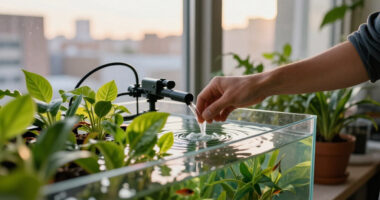
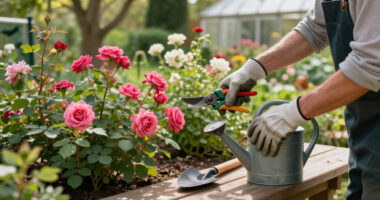
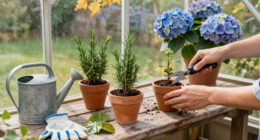
Other recommendations in the checklist focus on preparing for cold and wet conditions: move tender plants such as citrus and succulents indoors, drain irrigation systems and shut off seasonal water, and lift tender summer bulbs—including dahlias, cannas and gladiolus—for dry storage. October gardening supplies can help with seasonal planting tasks. Grow Organic also recommends clearing fallen fruit and leaves, composting healthy spent vegetable plants, mulching perennial vegetables, testing soil in fall, and cleaning and sharpening tools before storage—small gardening hacks can make routine garden work easier.
October Work Shapes Spring Growth
Grow Organic’s checklist emphasizes that some October tasks can have effects beyond the current season. Planting bulbs and alliums now prepares for later flowering or harvest, while harvesting before frost and rain can help protect crops from spoilage. The guide also recommends cover crops, mulch and cleanup as ways to address soil protection and garden upkeep during colder months.
These are practical seasonal suggestions, not a guarantee of results. A gardener’s planting window and winter preparations depend on local temperatures, rainfall and the needs of particular plants. Grow Organic’s central point is to use October to complete tasks that may be harder or less effective once cold or wet weather arrives.
As an affiliate, we earn on qualifying purchases.
A Checklist for Seasonal Change
Grow Organic frames October as a period when summer gardening winds down but planting and maintenance continue. Its recommendations span three timelines: harvesting current crops, planting for spring and summer, and protecting plants and infrastructure ahead of winter. The guide also points readers to a Grow Organic video checklist and other seasonal gardening resources.
Some advice is location-specific. For example, Grow Organic recommends fall wildflower planting in mild-winter zones and advises moving plants that cannot tolerate cold. The checklist does not name a target region, hardiness zone or specific frost dates, so readers need to adapt its advice to local conditions.
Local Timing Remains Key
Grow Organic’s checklist does not provide a publication date, geographic focus or detailed planting calendar. It also does not specify exact temperatures, soil conditions or storage methods for every crop. Consequently, the appropriate timing for each task cannot be determined from the checklist alone and may differ by region and garden.
The guide presents its recommendations as general guidance; it does not report trial results or compare outcomes among methods. Gardeners should check local frost forecasts and regional planting guidance before deciding when to lift bulbs, sow wildflowers or move plants indoors.
Check Frost Dates Before Acting
Grow Organic’s checklist gives gardeners a starting point for prioritizing work, beginning with produce that needs to be harvested before frost or rain and plants that need protection from cold. The next steps it points to include checking local forecasts, reviewing regional planting advice, and planning bulb, allium and cover-crop planting around local conditions.
As the season progresses, the guide recommends winter storage and cleanup: keep harvested crops dry, store lifted bulbs and saved seeds appropriately, protect perennial beds with mulch, and put cleaned tools away. Grow Organic does not specify a follow-up update or new deadline.
Key Questions
What should gardeners plant in October?
Grow Organic recommends spring-flowering bulbs such as tulips and daffodils, along with garlic, onions, shallots and leeks. Its guide says wildflowers may also be planted in areas with mild winters.
What should be harvested before the first frost?
Grow Organic advises picking green tomatoes before frost and bringing in remaining pumpkins, winter squash, dry corn and beans before rainy weather. The guide also recommends digging potatoes once their plants have died back.
Which plants should be protected from cold weather?
Grow Organic says tender plants such as citrus and succulents may need to be moved indoors. The checklist also recommends digging up tender summer bulbs, including dahlias, cannas and gladiolus, drying them for a few days and storing them covered with peat moss or vermiculite.
Does this October checklist apply everywhere?
No. Grow Organic provides general seasonal advice rather than a region-specific schedule. Frost dates, winter severity and local growing conditions affect when tasks should be done, so gardeners should adapt the recommendations to their area.
Source: rss
Fall Picks
fall essentials
As an affiliate, we earn on qualifying purchases.