
TL;DR
Greenhouse shelving organizers improve plant growth by optimizing space, light, and airflow. Modern designs focus on durability, flexibility, and eco-friendliness, making gardening easier and more efficient.
Imagine walking into your greenhouse. The scent of fresh soil, the vibrant green of thriving plants. Now, picture it all perfectly organized, with every pot, tool, and seedling in its place. That’s what a smart shelving system can do. It’s not just about storage—it’s about creating a thriving environment that nurtures growth and saves you time.
In this article, you’ll learn how to pick the best greenhouse shelving organizers, what latest innovations are transforming the scene, and simple tips to make your space more efficient. Whether you’re a hobby gardener or running a commercial setup, these insights will help you grow smarter.
Select moisture-resistant materials like aluminum or coated steel for longer-lasting shelves.
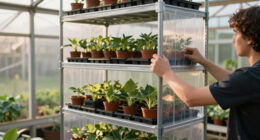
Adjustable, modular shelves offer maximum flexibility for changing plant needs and space constraints.
Smart features like sensors and automated watering can boost plant health and reduce manual chores.
Foldable and stackable options are perfect for small greenhouses or maximizing tight spaces.
Regular cleaning with mild soap and choosing mold-resistant materials keep shelves in top shape.
What Makes a Greenhouse Shelf Durable and Long-Lasting?
Durability is king when choosing shelving for humid, water-prone environments. Think rust-resistant metals like aluminum or coated steel, sturdy plastics, or treated wood. These materials withstand water exposure, temperature swings, and frequent cleaning.
For example, a hobbyist in Florida swears by aluminum shelves—they resist the salty air and last for years without rust. Likewise, commercial growers favor coated steel for its strength and ease of cleaning. Materials that resist mold and corrosion will keep your shelves looking new and supporting heavy loads over time.
Choosing the right material directly impacts your investment’s longevity. Rust or mold can compromise the structural integrity of shelves, leading to potential safety hazards or the need for costly replacements. Therefore, understanding the specific environment of your greenhouse helps determine whether lightweight aluminum, robust coated steel, or treated wood is best. Each material has tradeoffs: aluminum is light but can be more expensive; coated steel is strong but may require maintenance to prevent scratches that expose metal; treated wood offers an aesthetic appeal but may need periodic sealing to prevent rot. Making an informed choice ensures your shelves serve you reliably over years and reduce the frequency of replacement, saving time and money in the long run.
As an affiliate, we earn on qualifying purchases.
How to Pick the Perfect Size and Layout for Your Greenhouse
Choosing the right size isn’t just about fitting your plants. It’s about creating a flow that makes gardening effortless. Start by measuring your space and considering what you’ll store—large pots, seed trays, watering cans.
For instance, a small backyard greenhouse might need compact, stackable shelves that fit into tight corners. A commercial setup benefits from adjustable, multi-tiered units that grow with your operation.
Here’s a quick checklist:
- Measure your available space carefully.
- Determine the maximum weight each shelf must support.
- Decide if adjustable height or removable tiers will help.
- Plan for easy access to watering and harvesting.
Beyond mere measurements, consider the implications of your layout choices. Efficient shelving maximizes vertical space, allowing more plants to thrive without crowding. Adjustable or modular shelves offer flexibility to adapt as your collection grows or changes, preventing the need for costly replacements. Proper spacing ensures good airflow, reducing disease risks and promoting healthier plants. Additionally, strategic placement of shelves can streamline workflow—placing frequently accessed tools or plants at ergonomic heights minimizes strain and saves time. The tradeoff often lies in initial cost versus long-term convenience: investing in flexible, high-quality shelving can be more expensive upfront but reduces the need for frequent upgrades or rearrangements, ultimately supporting sustainable growth and operational efficiency.
Greenhouse Shelving Comparison: Material, Cost & Flexibility
| Material | Cost Range | Flexibility | Best For |
|---|---|---|---|
| Aluminum | $100–$300 per unit | High — lightweight, adjustable | Durability and easy reconfiguration |
| Coated Steel | $150–$400 per unit | Moderate — sturdy but less adjustable | Heavy plants, permanent setups |
| Plastic | $50–$200 per unit | High — modular, lightweight | Small greenhouses, starter setups |
| Treated Wood | $80–$250 per unit | Low — sturdy but less flexible | Traditional look, DIY projects |
Choosing the right material depends on your budget, space, and how much reconfiguration you want. Aluminum shelves are a favorite for their light weight and longevity. Plastic units shine in small, temporary setups. Steel shelves offer strength, but at a higher cost.
Deep consideration of material selection involves understanding how each impacts your greenhouse’s efficiency and maintenance. Aluminum’s lightweight nature reduces strain during installation and repositioning, but it might come at a higher initial cost. Coated steel provides excellent support for heavy loads, making it suitable for larger plants, but may require periodic touch-ups to prevent rust in particularly humid environments. Plastic options are economical and easy to assemble, but may not support as much weight over time, which could limit their use for larger or heavier plants. Treated wood offers aesthetic appeal and a traditional feel, yet it requires regular sealing to prevent decay. Weighing these tradeoffs helps you align your choice with your operational priorities—whether that’s longevity, cost-effectiveness, or aesthetic preference—ultimately ensuring your greenhouse remains functional and visually pleasing for years to come.
Frequently Asked Questions
What materials are best for greenhouse shelving organizers?
Rust-resistant metals like aluminum, coated steel, durable plastics, or treated wood are ideal. They resist moisture, last longer, and are easier to clean, making them perfect for humid greenhouse environments.
How do I choose the right size and capacity?
Measure your space carefully and consider the size and weight of your plants and tools. Opt for adjustable or modular shelves if your needs may change over time. Always prioritize stability and support for heavy pots.
Are space-saving shelving options available for small greenhouses?
Yes, foldable, stackable, and corner units are designed to maximize limited space. These options help you keep your greenhouse organized without sacrificing room for plants or movement.
How do I maintain and clean my greenhouse shelves?
Wipe down shelves regularly with a damp cloth and mild soap. For metal shelves, avoid abrasive cleaners; for wooden ones, reseal annually. Prevent mold by keeping shelves dry and well-ventilated.
Can I customize or upgrade my shelving system?
Absolutely. Modular and adjustable shelves are easy to reconfigure or expand. You can add hooks, labels, or lighting to tailor your setup to your specific gardening style.
Conclusion
Your greenhouse is more than a space for plants—it’s a living, breathing ecosystem. The right shelving system transforms chaos into order, boosts growth, and makes your gardening life easier. Invest in durable, flexible, and smart shelving, and watch your green paradise thrive.
Remember, a well-organized greenhouse isn’t just prettier—it’s healthier, happier, and more productive. So, pick your shelves wisely, and make every inch count.