
Disease suppressive growing media helps you prevent plant diseases by encouraging beneficial microbes and improving soil conditions. It’s designed to create an environment that discourages harmful pathogens like root rot and fungi, reducing your need for chemicals. These media often contain organic additives that boost soil health, support root growth, and promote resilient plants. If you want to learn how to build a healthier, disease-resistant garden, explore the key components and benefits you should know.
Key Takeaways
- Disease suppressive growing media reduces pathogen risks and promotes soil health through beneficial microbes and organic additives.
- It improves soil structure for better aeration and moisture balance, preventing conditions favorable to disease.
- Incorporating renewable materials supports microbial diversity, enhancing long-term soil resilience against pathogens.
- These media help minimize reliance on chemical treatments by naturally controlling root rot and fungal infections.
- Using disease suppressive media fosters healthier plants, increased yields, and sustainable gardening practices.
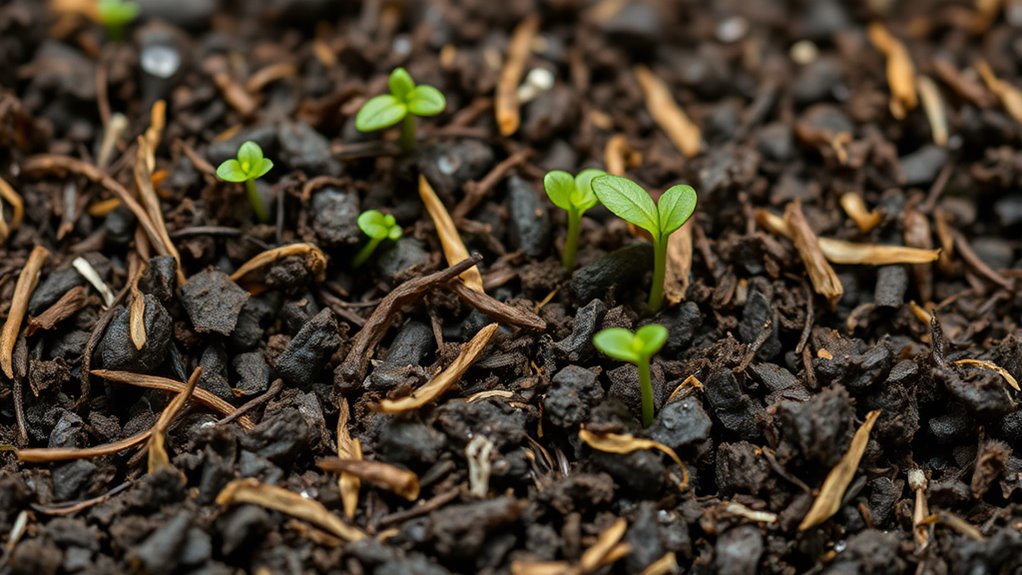
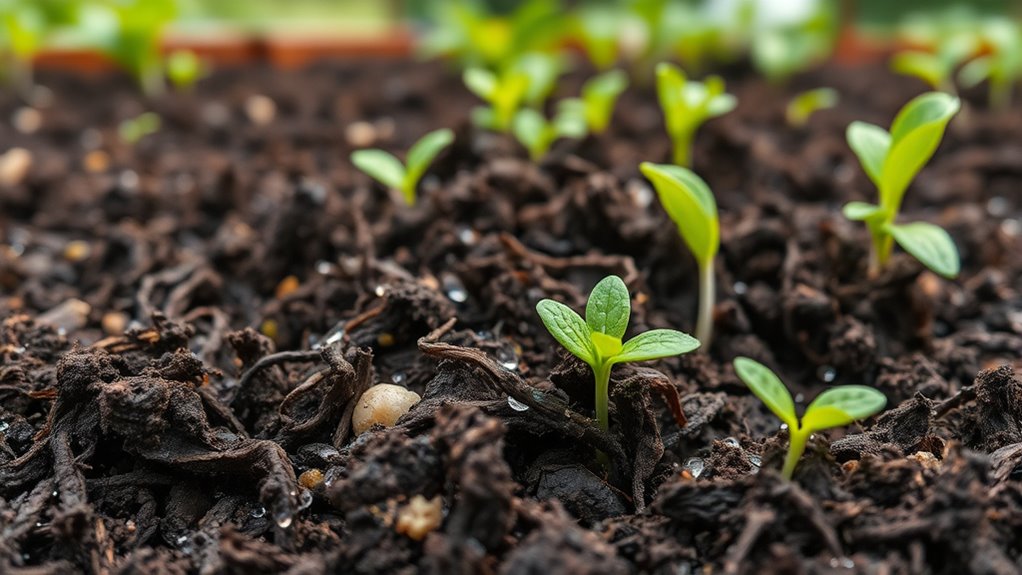
Disease suppressive growing media are specially formulated substrates designed to reduce the risk of plant pathogens and prevent disease outbreaks. When you choose these media, you’re actively supporting soil health, which is fundamental to maintaining resilient plants. Healthy soil fosters beneficial microorganisms that outcompete or inhibit harmful pathogens, creating a natural barrier against disease. By improving soil quality through tailored components, you help establish a robust environment where plants can thrive with minimal chemical intervention.
Supporting soil health with tailored media creates a natural barrier against plant pathogens and promotes resilient, thriving plants.
One of the key aspects of disease suppressive growing media is their ability to enhance pathogen control. These media are often infused with organic additives, beneficial microbes, or specific nutrients that suppress the growth of disease-causing organisms. When you plant in such media, you’re less likely to encounter problems like root rot, damping-off, or fungal infections, because the environment discourages pathogen proliferation. This targeted approach not only protects your plants but also reduces the need for fungicides or chemical treatments, aligning with sustainable gardening practices.
Moreover, these media are designed to improve aeration and moisture retention, critical factors in preventing pathogen development. Poorly drained or overly moist media create perfect conditions for many plant diseases, but disease suppressive growing media are formulated to strike an ideal balance. You’ll notice healthier roots and stronger plants because the roots are less stressed and less exposed to environments where pathogens can thrive. This improved soil health directly correlates with increased plant vigor and productivity, making your gardening efforts more successful.
In addition, disease suppressive growing media often incorporate renewable or bio-based materials that contribute to long-term soil health. By cycling organic matter and supporting a diverse microbial ecosystem, these media help maintain a dynamic and resilient soil environment. This means that over time, your growing media can continue to combat pathogens naturally, reducing your reliance on external inputs and fostering a more sustainable growing system.
Ultimately, choosing disease suppressive growing media empowers you to take proactive steps in disease prevention. You’re not just providing a medium for plant growth—you’re creating a healthy, protective environment that minimizes disease risks from the start. This approach promotes healthier plants, higher yields, and a more environmentally friendly gardening practice. By focusing on soil health and implementing effective pathogen control strategies through specialized media, you set the stage for a thriving, disease-resistant garden or crop system.
Frequently Asked Questions
How Long Does Disease Suppression Last in Growing Media?
The disease suppression in growing media typically lasts for several weeks to a few months, depending on media lifespan and microbial stability. You should monitor microbial activity regularly, as it gradually diminishes over time due to environmental factors and plant interactions. To maintain suppression, consider re-inoculating or revitalizing the media periodically. Proper management helps ensure your plants stay healthy and the disease resistance remains effective throughout the growing cycle.
Can Disease Suppressive Media Be Reused Safely?
You can reuse disease suppressive media, but you need to take into account media sustainability and pathogen management. Before reusing, thoroughly sterilize or treat the media to eliminate residual pathogens. This helps maintain its suppressive qualities and prevents disease spread. Regular testing and monitoring ensure the media remains effective. Proper handling and treatment are essential to safely reuse the media, preserving its benefits without risking new infections or compromising plant health.
What Are the Costs Associated With Disease Suppressive Media?
You’ll find that disease suppressive media can have higher upfront costs due to specialized ingredients or treatments. A thorough cost analysis reveals these expenses might be offset by economic benefits like reduced disease management costs and increased crop yields. While initial investments are higher, you could save money long-term by minimizing losses and lowering the need for chemical controls, making it a financially viable option for sustainable growing practices.
Are There Environmental Impacts of Using Suppressive Media?
While suppressive media can reduce disease spread, it may also impact the environment. You might notice a lower environmental footprint if it decreases chemical use, but it could also affect biodiversity effects by altering soil microbial communities. Using these media responsibly helps balance disease control with ecological health, ensuring you’re not unintentionally harming the surrounding ecosystem. Always consider sustainable practices to minimize negative environmental impacts.
How Do I Test if My Media Is Effectively Suppressive?
To test if your media is effectively suppressive, start by evaluating microbial activity through plate counts or metabolic assays. Then, introduce known pathogens and monitor their growth over time. If pathogen detection shows limited or no growth, your media likely has suppressive properties. Regular testing ensures the media maintains its effectiveness, helping you identify any decline in suppression and take necessary corrective actions.
Conclusion
Think of disease suppressive growing media as a fortress for your plants, warding off harmful invaders and keeping your garden healthy. Just like a strong wall protects a castle, the right media creates a safe environment, preventing disease from taking hold. By understanding and choosing the right media, you’re building a resilient shield around your plants. With this fortress in place, your garden can flourish happily, free from the threat of disease.