
TL;DR

Get garden gear delivered free with Prime
- Fast, free delivery on millions of items
- Prime Video, Amazon Music and more included
- Member-only deals all year
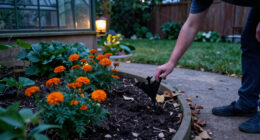
Gardening Know How advises gardeners in hardiness zones 7 and colder to lift tender summer-flowering bulbs and other underground plant structures before the soil freezes. Dahlias, gladiolus and cannas are among the seven listed; exact timing and storage needs vary by plant and local conditions.
Gardening Know How has advised gardeners in zones 7 and colder to lift certain tender summer-flowering bulbs, tubers, corms and rhizomes before winter soil freezes. The report names seven plants for protection, including dahlias, gladiolus and cannas, and says leaving these cold-sensitive plants in wet or frozen ground can lead to damage or rot.
The guidance distinguishes tender summer bloomers from hardy spring-flowering bulbs such as tulips, daffodils and crocuses, which generally need winter chill. Tender plants are more vulnerable to freezing soil and prolonged winter wet. The article says lifting is strongly advised for gardeners in zones 7 and colder, while some gardeners farther south may be able to leave plants in the ground under heavy mulch. Results depend on plant variety, local climate and soil conditions.
The seven plants identified are dahlias, gladiolus, canna lilies, calla lilies, elephant ears, tuberous begonias and caladiums. These plants do not all grow from the same kind of underground structure: dahlias form tubers, gladiolus grow from corms, and cannas and callas spread through rhizomes. The report groups them together because their tender underground growth can be vulnerable to winter cold.
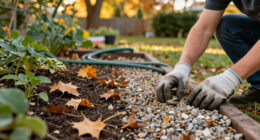
For most listed plants, the article recommends lifting after a first light frost has affected the foliage, but before the ground freezes solid. It gives approximate regional windows: mid-to-late October for zones 3–5 and late October to early November for zones 6–7. These are seasonal estimates, not fixed dates. After lifting, plants generally need drying or curing and storage in a cool, dark, frost-free place; the specific preparation and temperature depend on the plant.
Protecting Summer Plants From Frost
The advice matters to gardeners who want to keep tender perennials from one growing season to the next. Freezing soil can damage underground plant tissue, while wet conditions may contribute to rot, according to the report. Lifting susceptible plants before a hard freeze can give gardeners a chance to store them and replant them in spring, rather than buying replacements.
The guidance also highlights why a single calendar date will not work everywhere. Frost timing, hardiness zone and drainage affect when to dig and whether a plant might survive outdoors. Gardeners should use the listed dates as a guide and respond to local weather and the condition of their plants, rather than waiting until the ground is frozen.
garden bulb storage trays for overwintering dahlias and gladiolus
As an affiliate, we earn on qualifying purchases.
As an affiliate, we earn on qualifying purchases.
How Fall Lifting Is Timed
The report frames lifting as a fall task for plants that bloom in summer and have tender underground structures. By contrast, many familiar spring bulbs are adapted to remain in the ground through winter. The difference is not simply whether a plant is called a bulb: tubers, corms and rhizomes have different forms, even though gardeners often use “bulb” as a general term for them.
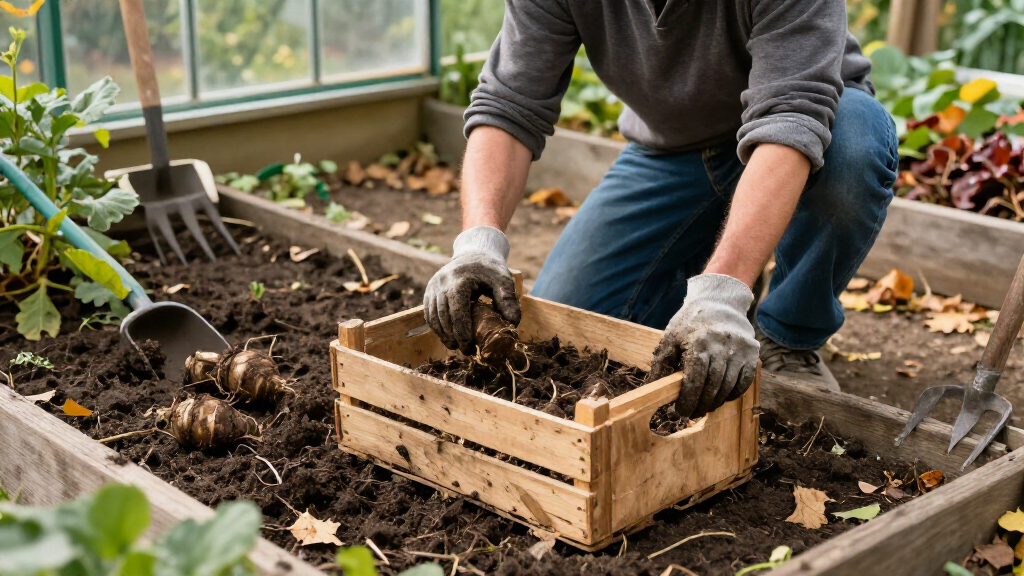
For general lifting, Gardening Know How recommends loosening soil with a garden fork, keeping it away from the main stems, then removing loose dirt and allowing the material to dry in a ventilated, frost-free location. The article describes storage around 40–50°F (4–10°C) for some tender plants, with breathable containers and dry packing material. It also gives different instructions for gladiolus, whose corms are cured in warmer conditions before cooler storage. These directions should not be treated as identical for every plant in the list.
The report says growers in zones 3–5 commonly lift in mid-to-late October, while gardeners in zones 6–7 may do so in late October or early November. Local first-frost dates vary, so the article’s trigger—foliage blackened by a light frost, before a hard freeze—may be more useful than the calendar alone.
“For most tender varieties, the ideal window opens immediately after your region’s first light frost blackens top foliage.”
— Gardening Know How report
Local Frost Dates Change the Schedule
The guidance does not establish that every plant in the seven-plant list must be lifted in every location. Hardiness zone, cultivar, soil drainage and winter severity can affect whether a plant survives outdoors. The source says some southern growers may leave plants under mulch, but it does not specify a single zone or set of conditions that makes this reliable for every variety.
The article also provides different preparation and storage instructions for different plants. Its general temperature range should not be applied automatically to all seven. Exact storage conditions and spring replanting dates depend on the species and local circumstances; the source does not provide a universal schedule for every plant or region.
Check Plants Before the Ground Freezes
Gardeners should identify which plants they have, check local frost forecasts and inspect foliage for signs of the first light frost. Those in colder areas should plan to lift vulnerable plants before the soil freezes, following care instructions suited to each plant. After storage begins, the report advises monthly checks for rot or shriveling; the needed response will depend on the plant and its condition.
The next useful milestone is the arrival of local frost and then the spring return of suitable planting conditions. No single lift date applies nationwide, and the report does not give a precise spring planting date for all seven plants.
Key Questions
Which plants does the report say may need lifting?
It lists dahlias, gladiolus, canna lilies, calla lilies, elephant ears, tuberous begonias and caladiums. Whether lifting is needed depends on the plant variety and local winter conditions.
When should tender bulbs and tubers be lifted?
The report generally advises lifting after the first light frost affects foliage, but before the ground freezes solid. Local weather is more useful than a fixed date.
Can these plants stay in the ground in warmer areas?
Some southern growers may be able to leave plants in the ground under a thick mulch, according to the report. It does not give a universal guarantee; hardiness, drainage and variety matter.
How should lifted plants be stored?
Storage needs vary. The report describes drying or curing plants and keeping them in a cool, dark, frost-free location, with breathable containers and dry packing material for some varieties. Follow instructions specific to each plant.
Source: rss
Halloween Picks
halloween
As an affiliate, we earn on qualifying purchases.