TL;DR

Get garden gear delivered free with Prime
- Fast, free delivery on millions of items
- Prime Video, Amazon Music and more included
- Member-only deals all year
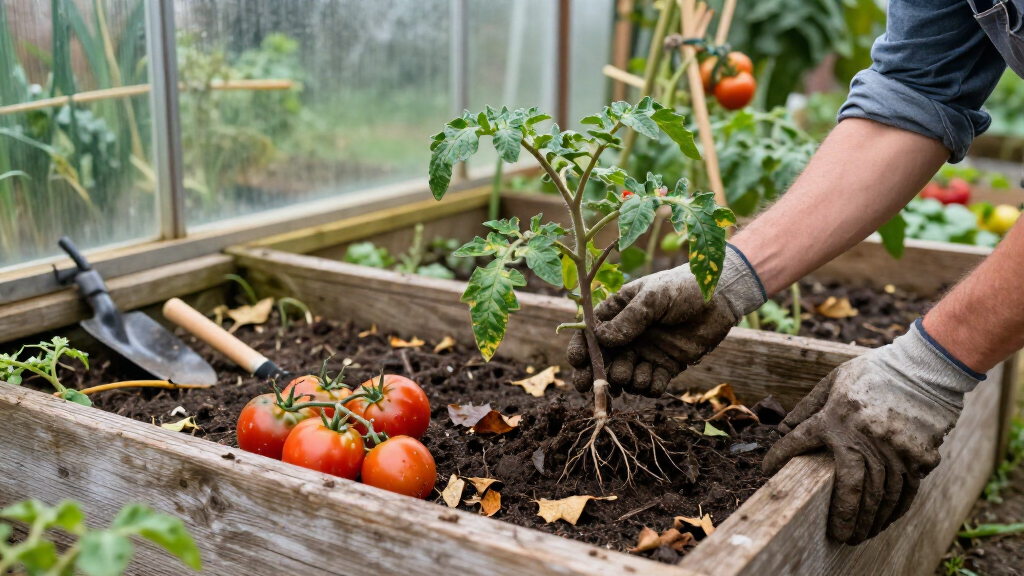
Spent tomato vines can go into an active home compost pile when they appear healthy and show no serious disease or pest pattern. Rapidly spreading lesions, unexplained wilt, root or crown decay, unusual growth or heavy pest damage call for a more cautious choice; symptoms alone do not confirm a diagnosis.
Gardeners should inspect spent tomato plants before composting them, according to a fall checklist from Planet Natural, which recommends sorting vines among a home compost pile, an accepting municipal yard-waste program or the trash. Some disease symptoms overlap with ordinary late-season stress, and a small backyard pile may not reliably destroy pathogens in suspicious plant material.
The checklist says healthy vines that have naturally declined or been killed by frost can be useful compost material when they show no concerning disease pattern, serious fruit rot or heavy pest infestation. It recommends removing clips and ties, chopping the vines, and mixing them with dry, carbon-rich material such as leaves, straw or shredded paper. The pile should be kept moist and turned as it settles.
Before deciding, inspect the leaves, stems, fruit, crown and roots, and consider whether symptoms affect one plant or a wider area. Rapidly spreading dark or water-soaked lesions, unusual stem damage, sudden wilting despite moist soil, decayed roots or a heavy pest problem are reasons to keep vines out of a casual home pile. The checklist cautions that these signs are not diagnoses: drought, nutrient problems, herbicide injury, insects and diseases can look alike.
For clearly suspicious plants, the source advises bagging them for trash disposal under local rules. A municipal compost program may be an option only if it explicitly accepts diseased garden material; gardeners should check its current requirements first. Sound fruit can go into compost with healthy vines, while dropped or rotting fruit should be collected separately rather than left under the plants.
Choosing a Safer Fall Disposal Route
The decision affects both garden waste and potential disease carryover. Infected plant debris may preserve a problem that could affect the next growing season, while healthy vines can contribute organic matter to a compost pile. Sorting plants before cleanup separates material according to its condition.
The checklist also warns against treating a hot backyard pile as a guaranteed sanitation system. A properly managed hot pile can reduce many plant pathogens, but backyard piles may not heat evenly or stay hot long enough to make composting uncertain material a dependable treatment. When symptoms are ambiguous, the source advises keeping that plant separate rather than relying on an assumed level of heat.
Products Worth Considering

Husqvarna Power Axe 350i 18-Inch Cordless Chainsaw Kit
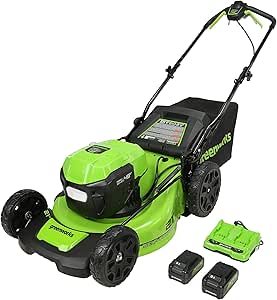
Greenworks 48V (24V x 2) 21-inch Self-Propelled Lawn Mower, Battery Kit

EGO POWER+ 21 Cordless Electric Lawn Mower Kit, Self-Propelled
As an affiliate, we earn on qualifying purchases.
Inspecting Vines Before Cleanup
Planet Natural’s guidance frames fall cleanup as a disposal decision, not a demand for a precise diagnosis. Gardeners can choose a disposal route without knowing the pathogen’s name. The source suggests starting on a dry day, collecting fruit and loose debris, and using clean pruners if needed. It recommends examining the whole plant rather than deciding from one spotted leaf.
Patterns can help guide that choice. Damage confined to older lower leaves may differ from symptoms racing through new growth; similarly, one affected plant may call for a different level of concern than a row or multiple tomatoes and peppers showing the same trouble. If a diagnosis would affect next year’s crop choices or other garden decisions, the checklist recommends photographing the plant and asking a local nursery rather than treating a symptom-based guess as certain.
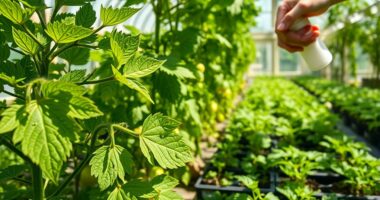
The source identifies blight-like, fast-spreading lesions; unexplained wilt and crown or root trouble; and powdery growth, distorted leaves or mosaic-like color as reasons for caution. Those signs can have several causes. For example, wilt may follow dry soil or heat, but it can also be associated with root damage, nematodes or disease. The checklist does not claim that any one symptom proves a particular infection.
Symptoms Do Not Confirm Disease
No laboratory diagnosis is provided in the source material, and the symptoms discussed are not proof of specific pathogens. Late-season yellowing, spots, wilt and distorted growth can arise from different diseases, pests or growing conditions. It is not clear from a visual inspection alone what caused an individual plant’s decline.
The right disposal route can also depend on local rules. Municipal programs vary in whether they accept diseased garden material, and the source does not identify any particular program or local requirements. It also does not provide a temperature or duration that would make every backyard pile safe for all pathogens. Gardeners with uncertain symptoms should avoid assuming their pile has sanitized the debris.
Check Local Rules Before Disposal
As fall cleanup proceeds, gardeners can sort plants using the checklist: compost apparently healthy vines using good pile practices; check with a municipal program before sending it questionable material; and bag suspicious debris for trash where local rules allow. Keep affected plants and rotting fruit separate while making that decision.
For plants with unexplained collapse, unusual discoloration or spreading lesions, take photographs and seek advice from a local nursery if a diagnosis could change next year’s planting or management. Keep notes about where symptoms appeared, and avoid moving soil from around a suspect root ball into another tomato bed. The cause and municipal acceptance rules remain case-specific, so those checks are relevant when symptoms or disposal options are uncertain.
Key Questions
Can healthy tomato vines go in a backyard compost pile?
Yes, according to the checklist, if the vines show normal late-season decline and no concerning disease pattern, serious fruit rot or heavy pest infestation. Chop them and mix them with dry, carbon-rich material.
Do spotted leaves prove that a tomato plant is diseased?
No. A symptom is not a diagnosis. Spots and yellowing can overlap with disease, drought stress, nutrient imbalance, herbicide injury and other causes. Inspect the whole plant and the pattern across the bed.
What should I do with a plant that wilted suddenly?
If soil is still moist or the crown and roots appear decayed, the checklist recommends a conservative disposal choice: keep the plant out of a casual home pile and bag it for trash where local rules permit. Avoid moving soil from around the root ball.
Can municipal composting take diseased tomato plants?
Only if the program accepts diseased garden material. Rules differ, so check with the local program before taking or sending the debris.
Will a hot backyard pile kill every tomato plant pathogen?
The source does not make that guarantee. A properly managed hot pile can reduce many plant pathogens, but backyard piles may not heat evenly or stay hot long enough to reliably sanitize uncertain material.
Source: rss