
Greenhouse problems spread faster because their enclosed, dense environment makes it easy for pests and diseases to hop from plant to plant without natural predators to control them. High humidity and moisture create a perfect breeding ground for mold, fungi, and pathogens, which thrive under stable conditions. Without proper ventilation and sanitation, infestations can quickly become uncontrolled. Understanding how environmental factors contribute helps you stay ahead—keep going to find out more.
Listen free for 30 days with Audible
Thousands of audiobooks and originals — cancel anytime.
As an affiliate, we earn on qualifying purchases.
Key Takeaways
- Enclosed greenhouse environments promote rapid pest and disease multiplication due to stable, ideal conditions.
- Dense plantings in greenhouses facilitate quick spread of pests and pathogens.
- Limited natural predators indoors reduce biological control, allowing problems to escalate faster.
- High humidity and moisture levels in greenhouses create optimal conditions for fungal growth.
- Poor ventilation and environmental control can exacerbate problem proliferation indoors.
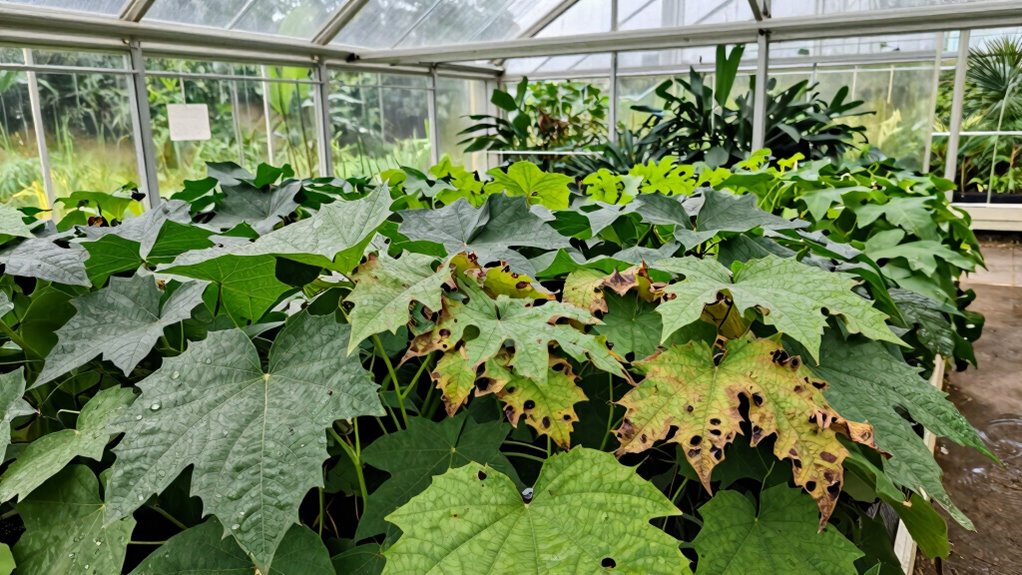
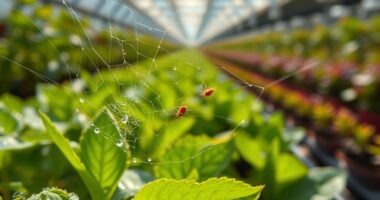
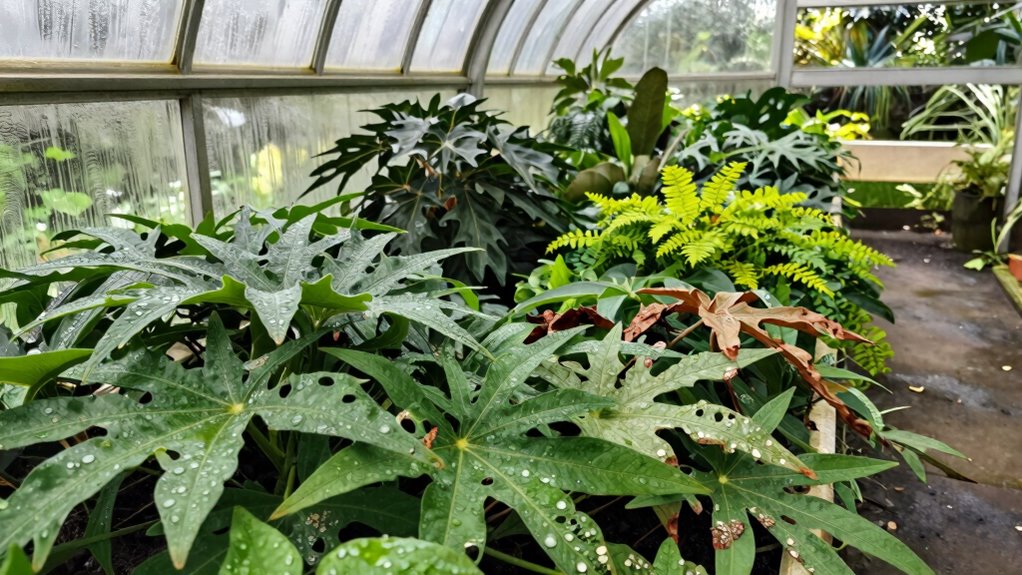
Greenhouses can be double-edged swords for gardeners; while they offer a controlled environment for plants, problems inside can spread rapidly. One of the main reasons for this quick spread is how easily issues like pest transmission can occur within a confined space. When pests such as aphids, whiteflies, or spider mites find their way into your greenhouse, they can quickly reproduce and infest your plants. Unlike outdoor gardens, where natural predators and environmental factors can slow pest spread, a greenhouse creates an almost perfect breeding ground. The close proximity of plants means pests can hop from one plant to another with ease, making containment a challenge once an infestation begins.
Greenhouses foster rapid pest spread due to close plant proximity and lack of natural predators.
Humidity control also plays a critical role in how problems develop inside a greenhouse. Maintaining the right humidity level is essential for healthy plant growth, but if it gets too high, it can create ideal conditions for mold, mildew, and other fungal diseases. These pathogens thrive in moist environments, and because greenhouses are often enclosed, excess humidity can linger longer than it would outdoors. This persistent moisture not only encourages disease but also weakens plants, making them more vulnerable to pests and infections. The combination of high humidity and dense plantings can turn minor issues into widespread problems very quickly. Additionally, environmental stability in greenhouses means pests and diseases tend to multiply unchecked, further accelerating problem spread. An understanding of environmental management is vital for maintaining a healthy greenhouse environment. Proper hygiene practices are crucial for preventing the buildup of pathogens and keeping outbreaks under control. Implementing regular sanitation routines can significantly reduce the risk of spreading infections within the enclosed space.
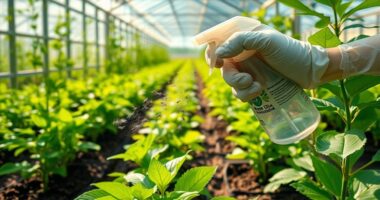
Furthermore, climate control systems are essential tools that can help regulate temperature and humidity, reducing the likelihood of issues taking hold. Your best defense is maintaining strict hygiene, regularly inspecting plants, and controlling humidity levels diligently. Using integrated pest management strategies can also help keep pests at bay before they become a problem. You should guarantee proper ventilation to reduce excess moisture and prevent the environment from becoming overly humid. When problems are caught early, you can stop them from spreading across your entire greenhouse. Without this vigilance, what starts as a small issue can escalate into a full-blown outbreak in no time. Overall, the controlled yet enclosed nature of greenhouses demands careful attention to prevent problems from spreading faster than they would outdoors.
greenhouse pest control products
As an affiliate, we earn on qualifying purchases.
As an affiliate, we earn on qualifying purchases.
Frequently Asked Questions
How Do Greenhouse Temperature Fluctuations Compare to Outdoor Gardens?
Greenhouse temperature fluctuations happen faster than in outdoor gardens because of limited airflow and controlled environments. You notice this quickly as plant genetic traits respond to sudden changes, impacting growth. Soil sterilization is vital in preventing disease spread, but temperature swings can still stress plants, making problems spread faster inside a greenhouse. You need consistent temperature management to keep your plants healthy and avoid rapid issues, unlike the more stable outdoor conditions.
What Role Does Humidity Play in Greenhouse Disease Spread?
Humidity plays a vital role in greenhouse disease spread because high humidity levels promote disease transmission. When you don’t maintain proper humidity control, moisture stays on plant surfaces, creating ideal conditions for pathogens to grow and spread quickly. Unlike outdoor gardens, the enclosed environment of a greenhouse traps humidity, making it easier for diseases to transmit among plants. Managing humidity effectively helps reduce the risk of rapid disease outbreaks.
Are Pests More Resistant in Greenhouse Environments?
Yes, pests are often more resistant in greenhouse environments. You’ll notice pest adaptation happens quickly because the controlled conditions allow pests to thrive and reproduce rapidly. Over time, they develop chemical resistance to pesticides you use, making management tougher. This resistance means you need to rotate treatments and adopt integrated pest management strategies to effectively control pests in your greenhouse.
How Does Airflow Differ Between Greenhouses and Outdoor Gardens?
You’ll notice airflow differs substantially between greenhouses and outdoor gardens. In greenhouses, ventilation efficiency is often improved with fans and vents, promoting better air circulation. However, this controlled environment can sometimes lead to stagnant pockets if not managed properly. Outdoor gardens rely on natural air circulation, which can be inconsistent. Properly managing ventilation in greenhouses helps prevent disease spread, while outdoor airflow depends heavily on weather conditions.
What Are the Best Practices for Early Disease Detection Indoors?
Think of your greenhouse as a vigilant guardian watching over its plants like a sentinel. To detect diseases early, monitor plant nutrition closely and observe for subtle changes in color or growth. Keep pest control measures active and inspect plants daily, especially under leaves and around stems. Using tools like magnifying glasses helps spot tiny pests or symptoms early, allowing you to act swiftly and prevent problems from spreading.
Conclusion
Now, imagine those tiny pests or diseases quietly lurking, waiting for the perfect moment to explode into chaos inside your greenhouse. The closed environment traps them, letting problems multiply rapidly, while outdoor gardens have natural barriers to slow their spread. If you’re not careful, what starts as a small issue could quickly become unstoppable. The question is, will you catch it early enough to stop the chaos before it’s too late?
Fall Picks
fall essentials
As an affiliate, we earn on qualifying purchases.