To get the best results with sticky traps, you need to place them strategically near pest activity, using attractive bait and visual cues that pests prefer. Keep traps clean and sticky, check them regularly, and swap them out when full or dirty. Adjust placements if pests show resistance or avoid traps. If you follow these tips, you’ll increase your chances of success—keep going to discover even more ways to improve your pest control strategy.

Get garden gear delivered free with Prime
- Fast, free delivery on millions of items
- Prime Video, Amazon Music and more included
- Member-only deals all year
Key Takeaways
- Proper trap placement near pest activity zones increases capture success.
- Regularly monitor and replace traps to maintain stickiness and effectiveness.
- Use targeted attractants or bait tailored to specific pests for better lure performance.
- Choose the right trap design and materials suited for outdoor or indoor environments.
- Understand pest behavior and environmental factors to optimize trap timing and positioning.
sticky pest traps for indoor use
As an affiliate, we earn on qualifying purchases.
As an affiliate, we earn on qualifying purchases.
Why Sticky Traps Are Effective for Pest Control
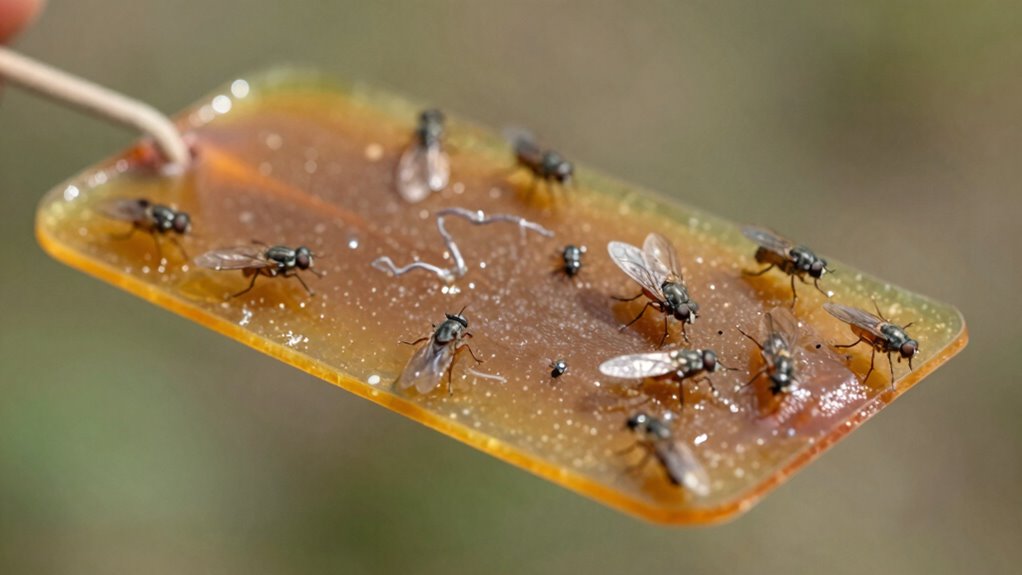
Sticky traps are highly effective for pest control because they provide a simple, non-toxic way to monitor and reduce pest populations. Understanding pest biology helps you target the right areas and attract pests effectively. Trap design plays a critical role; well-made traps feature a sticky surface that captures pests upon contact. They are usually shaped to lure specific pests, with bait and visual cues that exploit pest behavior. Since pests are often guided by their instincts, traps that mimic their preferred environment or food source increase the chances of capturing them. Incorporating behavioral cues into trap design enhances their effectiveness. This combination of knowledge about pest biology and smart trap design ensures you can passively control pests without chemicals, making sticky traps a safe and efficient part of your pest management strategy. Additionally, understanding wood movement can help in designing traps that withstand environmental changes, ensuring long-term effectiveness. Recognizing how pest activity patterns vary with seasons can further optimize trap placement and timing for better results, especially when considering seasonal behaviors. Being aware of environmental factors that influence pest activity can also improve overall trap success.
How to Choose the Right Sticky Trap for Your Pest Problem
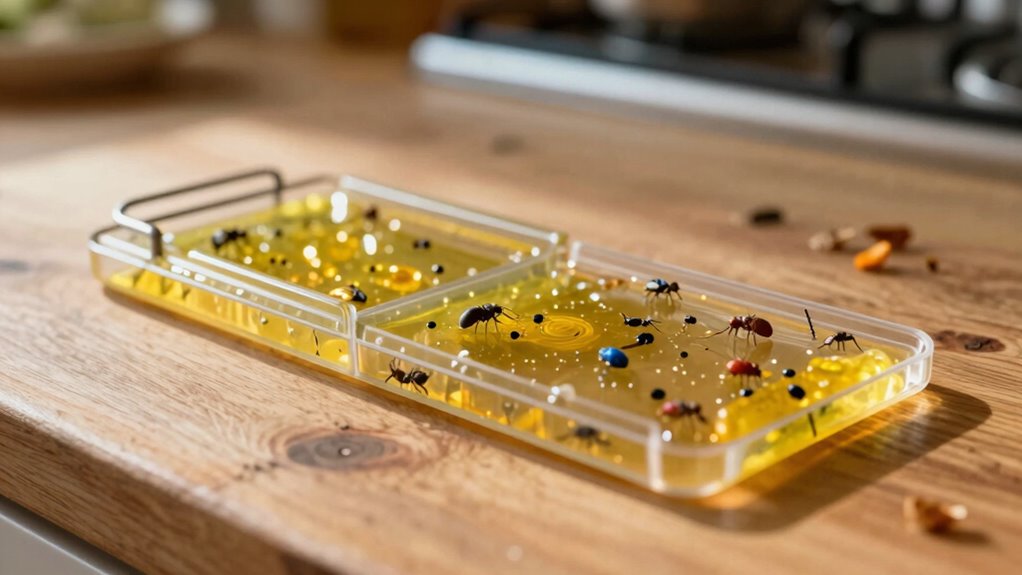
Choosing the right sticky trap depends on understanding the specific pests you’re targeting and their behaviors. Consider traps that incorporate plant-based attractants, which appeal naturally to many insects, increasing their effectiveness. For example, some pests respond better to organic scents, so selecting traps with these attractants can boost catch rates. Trap customization is also key; you can adjust or add attractants based on your pest problem. For certain insects, color or shape may matter, so choose traps designed for those preferences. Assess the pest’s habits and preferred environment to select a trap that aligns with their behavior. This tailored approach guarantees you’re not wasting time and resources on ineffective traps, making your pest control efforts more efficient. Understanding the evolution of portable restrooms can also inspire innovative solutions for outdoor pest management areas, ensuring a more hygienic environment and effective pest control methods. Additionally, being aware of the behavioral patterns of pests can help you position traps more strategically for better results. Recognizing the importance of proper ventilation and placement can further enhance trap effectiveness and safety. Proper trap maintenance is essential to prevent the buildup of residues that may deter pests or reduce trap lifespan.
Where and How to Place Sticky Traps for Best Results
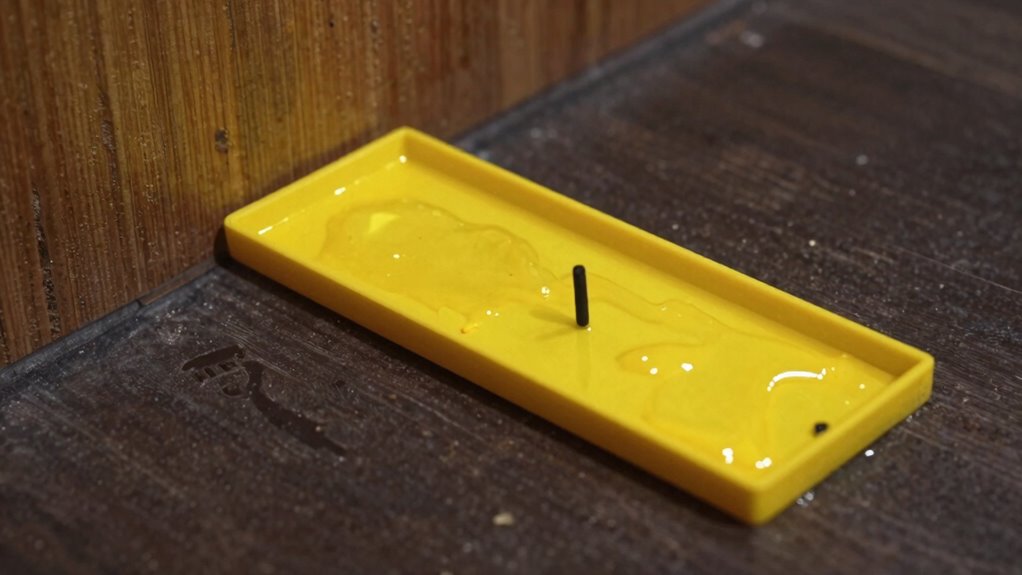
To achieve the best results, you need to place your sticky traps in the right locations where pests are most active or likely to travel. Focus on areas with signs of garden pests, such as near plants, entry points, or along common pest pathways. Use appropriate trap materials, like sturdy cardboard or plastic, to withstand outdoor conditions. Position traps at pest eye level or slightly above, where pests are most likely to encounter them. Placing multiple traps around your garden increases effectiveness. Incorporating natural light into your garden layout can also help deter some pests and improve trap visibility. Additionally, choosing traps made from durable materials ensures they remain effective in outdoor environments over time. Proper placement based on pest behavior is essential for maximizing trap success. Understanding pest movement patterns can further enhance your trapping strategy for better results. Recognizing preferred pest habitats can help you target trap placement more precisely for increased effectiveness.
Maintaining and Monitoring Your Sticky Traps
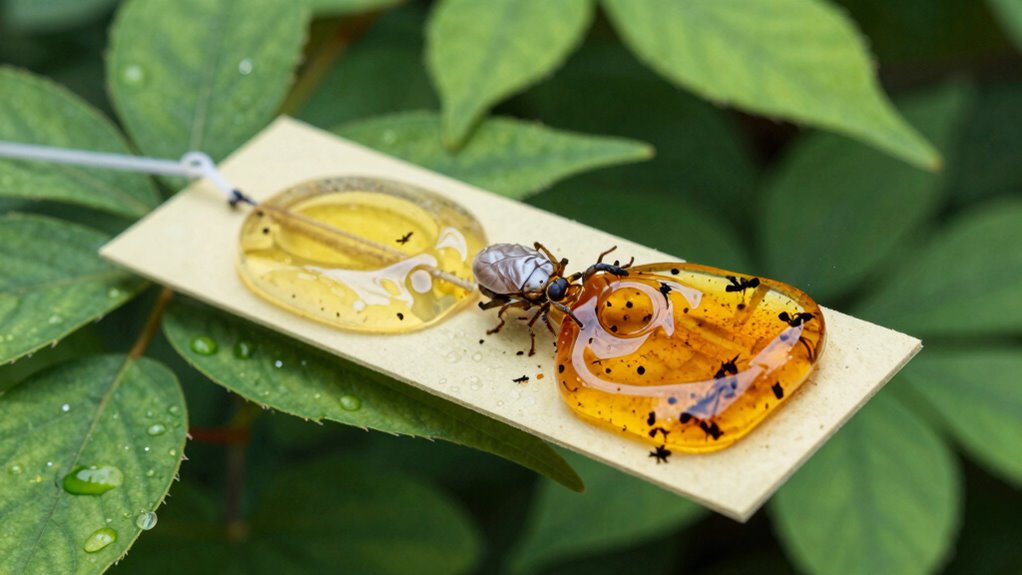
Regularly maintaining and monitoring your sticky traps guarantees they remain effective in trapping pests. Seasonal pest patterns influence when pests are most active, so adjusting your trap checks accordingly ensures maximum results. Incorporate consistent trap maintenance routines, such as replacing traps when they’re full or no longer sticky, to prevent pests from escaping. Check traps frequently, especially during peak pest activity, to identify infestations early. Monitoring helps you understand pest movement and adjust placement if needed. Keep an eye on trap cleanliness and stickiness levels, replacing them promptly to maintain effectiveness. Proper maintenance and regular monitoring are essential for staying ahead of pest populations and ensuring your sticky traps continue to work efficiently over time. Additionally, understanding the seasonal trends in pest activity can help optimize your trap placement and timing for better control. Recognizing pest behavior patterns can further enhance your monitoring strategy, allowing for more precise interventions. Being aware of environmental factors such as humidity and temperature can also influence pest activity and trap effectiveness, so adjusting your approach accordingly can improve results. Tracking pest movement data over time can provide valuable insights into infestation hotspots and help refine your pest management tactics. Regularly inspecting traps also helps you gather valuable data to refine your pest management tactics over time.
Common Mistakes That Reduce Trap Effectiveness
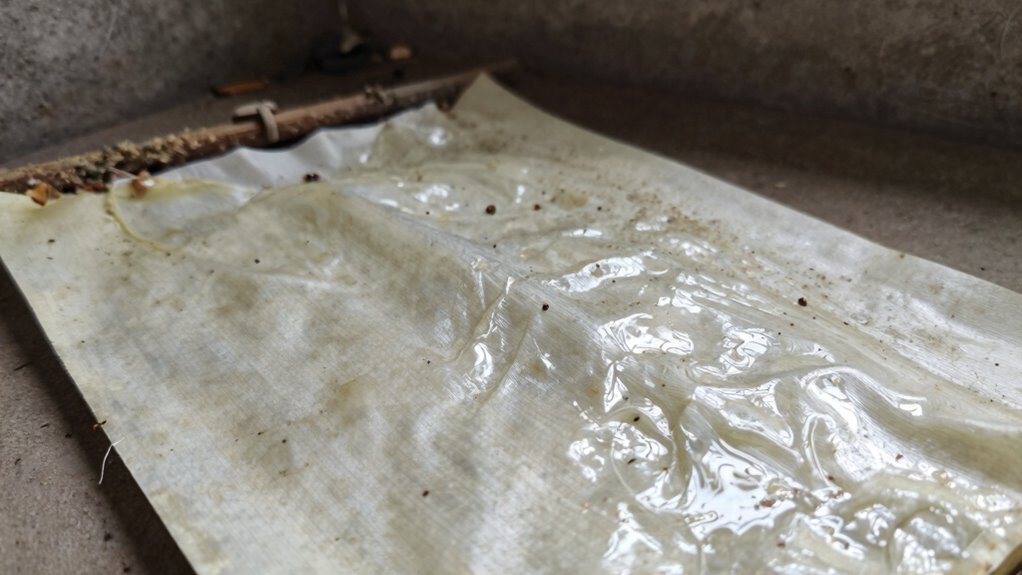
One common mistake that reduces the effectiveness of sticky traps is neglecting to place them in ideal locations. Just like choosing the right travel destinations or mastering cooking techniques, placement matters. If traps are tucked away in low-traffic areas or near clutter, pests might ignore them. Avoid placing traps where pets or children can interfere. Instead, position them along walls, near entry points, or close to sources of food and water—areas pests naturally frequent. Think of it like visiting popular travel destinations; you want to be where activity is highest. Proper placement ensures traps catch pests quickly, saving you time and frustration. Remember to regularly inspect and replace sticky traps to maintain their effectiveness over time. Additionally, understanding pest behavior can help you identify the most strategic locations for trap placement, making your efforts even more effective. Recognizing child development principles can also help ensure safe and appropriate placement around homes with children.
Tips to Boost Trap Success and Keep Your Space Safe
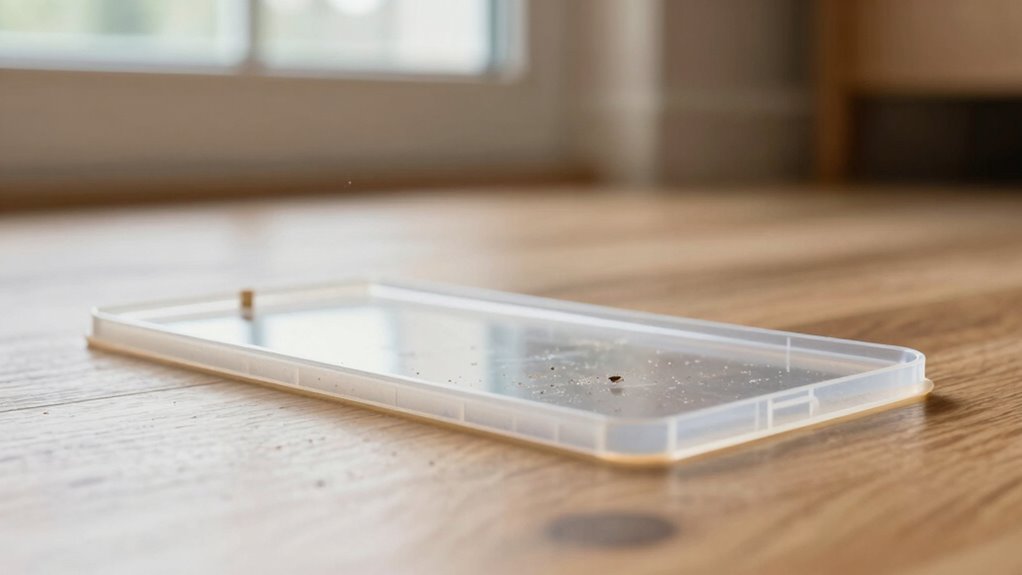
To boost your trap’s success and keep your space safe, focus on placing traps in high-traffic areas where pests are most active. Make sure to check your traps regularly, so you can remove caught pests and reposition traps as needed. Proper placement and consistent monitoring are key to maintaining an effective pest control strategy. Additionally, considering various trap types can help target different pests more effectively.
Proper Trap Placement
Have you ever wondered where the best spots are for placing a sticky trap? The key is strategic bait placement—position the trap where pests are most active, like along walls, near entry points, or behind appliances. Avoid placing traps in cluttered or hard-to-see areas that pests won’t navigate easily. Also, consider trap aesthetics; place them where they blend in seamlessly with your environment, so they don’t stand out or get knocked over. Keep the trap flat against surfaces for maximum contact and effectiveness. Remember, the right placement isn’t just about pest control—it’s about maintaining a tidy, unobtrusive look. Proper trap positioning boosts success and keeps your space safe without creating visual clutter.
Regular Trap Monitoring
Regularly checking your sticky traps guarantees they stay effective and helps you stay ahead of pest activity. By monitoring, you can quickly identify pest biology patterns and adapt your DIY techniques accordingly. Here are four key tips to boost trap success:
- Inspect traps at least once a week to catch early signs of infestation.
- Replace or refresh traps when they’re full or dirty to maintain attractiveness.
- Observe pest activity levels to understand their behavior and movement.
- Record findings to spot trends and optimize trap placement.
Consistent monitoring ensures you catch pests early and minimize damage. It also allows you to adjust your strategy based on pest biology, making your DIY efforts more effective. Staying vigilant keeps your space safer and pest-free.
Why Isn’t My Sticky Trap Working? Troubleshooting Tips
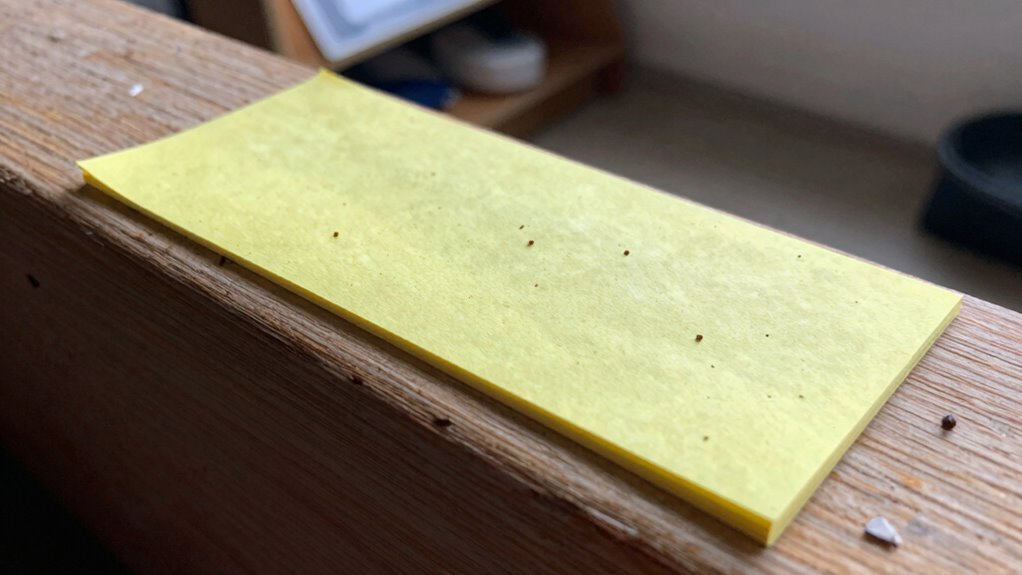
If your sticky trap isn’t catching pests as expected, there are usually simple reasons behind the problem. You might be facing issues like improper placement or the trap’s attractiveness. For example, a garden pest may avoid an indoor trap if it’s not positioned correctly. Also, indoor contamination from dust or debris can reduce stickiness, making traps ineffective.
| Reason | Solution |
|---|---|
| Wrong placement | Place traps near pest activity zones |
| Dust or debris | Clean traps regularly |
| Not enough bait | Use attractants to lure pests |
| Pest resistance | Switch to different trap types or locations |
Careful troubleshooting guarantees your sticky trap works, helping you regain control over pests efficiently.
Maximize Pest Capture and Safety With These Expert Tips
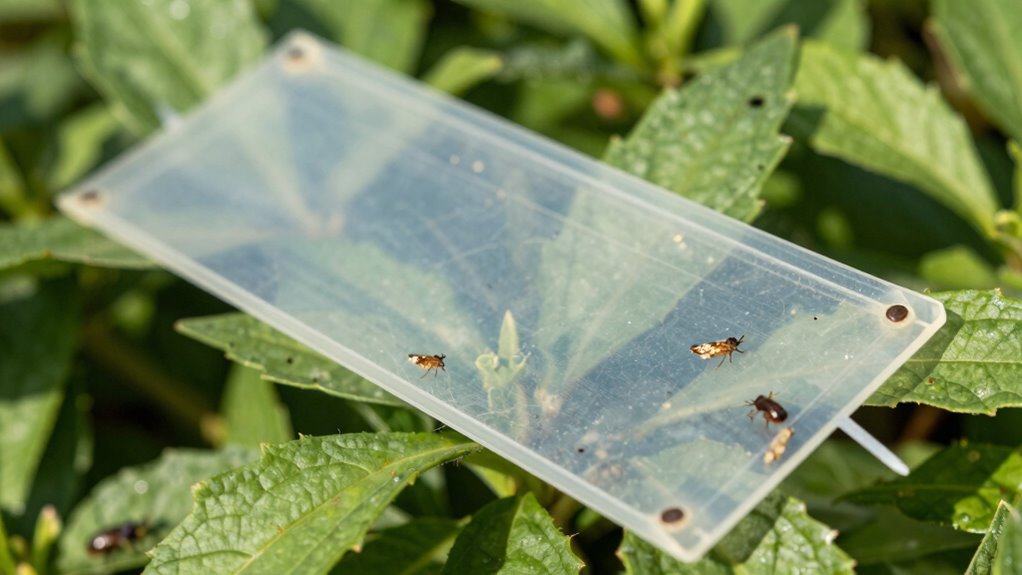
To get the most out of your sticky traps, focus on proper placement in high-traffic pest areas, and keep them away from children and pets for safety. Choose effective baits or insecticides that target your specific pests, and always follow label instructions carefully. Regularly monitor your traps to assess pest activity and replace them promptly to maintain maximum capture efficiency.
Proper Trap Placement
Proper trap placement is crucial for maximizing pest capture and ensuring safety. To get the best results, consider these tips:
- Place traps where pests are most active, like along walls or near entry points.
- Use trap customization to target specific pests effectively.
- Avoid placing traps in areas accessible to children or pets.
- Regularly check and reposition traps to maintain their effectiveness.
Choose Effective Besticides
Are you choosing the right besticides to maximize pest capture while keeping safety in mind? Focus on selecting products that are effective yet safe for your environment. Natural repellents can serve as a pest deterrent, reducing pest activity without harmful chemicals. Look for besticides that combine proven ingredients with eco-friendly options, ensuring you target pests effectively while minimizing risks to your family and pets. Always read labels carefully to understand their purpose and safety precautions. Combining targeted besticides with natural repellents enhances your pest control strategy, making traps more effective. Avoid overusing chemical besticides, as this can lead to resistance or safety concerns. By choosing the right pest deterrents, you improve your chances of trapping pests efficiently while maintaining a safe living space.
Regular Trap Monitoring
Once you’ve selected the right besticides and natural repellents, monitoring your traps regularly guarantees you catch pests before they become a bigger problem. During inspections, focus on pest identification to understand which pests are present and adjust your strategy if needed. Check trap durability—ensure they haven’t been damaged or lost effectiveness. To maximize results, do these four things:
- Replace or reset traps at least once a week for continued efficiency.
- Record pest activity to identify patterns or infestations.
- Clean traps to prevent buildup that might reduce adhesion.
- Replace damaged traps immediately to maintain trap integrity.
Consistent monitoring helps you act swiftly, keeping pest populations under control and ensuring your sticky traps remain effective.
Frequently Asked Questions
How Often Should I Replace My Sticky Traps?
You should replace your sticky traps every two to four weeks, depending on pest activity. Regularly check trap placement to guarantee they’re in high-traffic areas where pests are active, and identify the pests to confirm you’re targeting the right ones. If traps are full or covered with debris, replace them sooner. Consistent monitoring and strategic placement maximize effectiveness and help you catch pests early.
Are There Eco-Friendly Sticky Trap Options Available?
Yes, eco-friendly sticky trap options are available. Look for traps made with biodegradable adhesives and non-toxic materials, which are safer for your home and the environment. These traps effectively catch pests without introducing harmful chemicals, making them ideal for households with children or pets. Switching to eco-friendly traps helps reduce environmental impact while maintaining pest control, ensuring your space stays clean and safe without compromising sustainability.
Can Sticky Traps Attract Pests From Neighboring Areas?
Did you know that sticky traps can attract pests from neighboring areas, reducing their effectiveness? If your traps aren’t placed strategically, neighboring pests might be drawn in, making your efforts less efficient. To maximize trap effectiveness, position them away from neighboring properties and consider using barriers. This way, you prevent pests from neighboring areas from infiltrating, ensuring your sticky traps work better and keep your space pest-free.
What Pests Are Most Effectively Caught With Sticky Traps?
You’ll find that sticky traps are most effective for catching flying pests like fruit flies, fungus gnats, and whiteflies, especially with proper pest identification. To maximize their effectiveness, focus on strategic trap placement—near problem areas, entry points, or breeding sites. Regularly check and replace traps to prevent pests from escaping or reproducing. This targeted approach guarantees you catch the right pests quickly and reduce infestations efficiently.
Is It Safe to Use Sticky Traps Around Children and Pets?
Sticky traps can be safe around children and pets if you place them out of reach and in secure locations. Child safety is a priority, so avoid placing traps where kids can touch or get stuck. Pet safety is also essential—keep traps away from animals to prevent accidental contact. Always follow manufacturer instructions, and consider alternative pest control methods if you’re concerned about potential risks.
Conclusion
Remember, a sticky trap isn’t a magic fix—it’s your ally in pest control. When placed thoughtfully, monitored regularly, and maintained properly, it captures pests effectively. But ignore these steps, and your trap becomes just another piece of tape. Think of it like a garden: neglect the weeds, and they take over. Stay attentive, adjust your strategy as needed, and you’ll turn that sticky trap into a powerful weapon against pests.
Fall Picks
fall essentials
As an affiliate, we earn on qualifying purchases.