TL;DR

Get garden gear delivered free — and shop member deals
- Fast, free delivery on millions of items
- Access to Prime Big Deal Days deals on October 6–7
- Prime Video, Amazon Music and more included
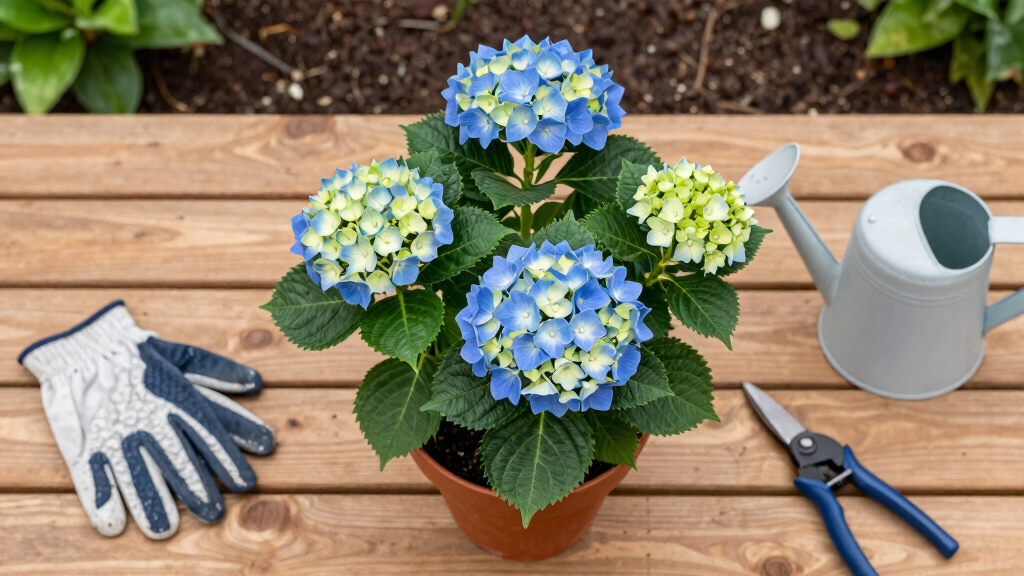
Many gardeners are unsure whether their hydrangeas are dying from the heat or have finished blooming. Experts advise on how to identify the cause and care for these shrubs properly to maintain their lush appearance.
Why Correctly Identifying Hydrangea Stress Matters
Understanding whether hydrangeas are suffering from heat stress or have finished blooming influences how gardeners care for them. Proper identification prevents unnecessary pruning or watering, which can harm the shrub. Correct care ensures the plant remains healthy and lush, especially during peak summer heat, preserving garden aesthetics and plant longevity.As an affiliate, we earn on qualifying purchases.
Hydrangea Blooming Cycles and Heat Effects Explained
Hydrangeas typically bloom in late spring to early summer, with some varieties continuing into late summer or early fall. During heatwaves, these plants can show signs of stress such as leaf scorch, wilting, or browning stems. Historically, gardeners have struggled to distinguish between natural decline after blooming and heat-induced damage. Recent advice from horticultural experts highlights that many stress symptoms overlap with natural aging, making accurate diagnosis essential. Proper watering, mulching, and shading are recommended to mitigate heat effects, while understanding each variety’s blooming cycle helps prevent unnecessary pruning.“Recognizing the difference between heat stress and natural blooming is crucial. Look at the overall plant health and flowering pattern to decide your next steps.”
— Dr. Lisa Green, horticulturist at the University of California
Unclear Signs and What Still Needs Clarification
It remains unclear how much individual variety differences influence the plant’s response to heat versus natural bloom decline. Additionally, precise thresholds for when heat stress becomes damaging are still being studied, and some symptoms overlap, making diagnosis challenging without expert assessment.Next Steps for Hydrangea Care During Summer Heat
Gardeners are advised to monitor their hydrangeas closely, adjusting watering and providing shade as needed. Experts suggest waiting until the plant shows definitive signs of dormancy before pruning. Ongoing research aims to better define stress indicators and optimal care practices for different hydrangea varieties during extreme weather conditions.Key Questions
How can I tell if my hydrangea is dying from heat or just finished blooming?
Check the overall health of the plant, including leaf color and texture. If the leaves are scorched or wilting but the plant still has healthy stems and potential for new growth, it may be heat stress. If the flowers have faded and the stems are brown and dead, the plant might have finished blooming or is in decline.
What should I do to protect my hydrangeas during a heatwave?
Provide consistent watering, mulch around the base to retain moisture, and consider shading the plants during the hottest parts of the day to reduce heat stress. Avoid heavy pruning during extreme heat.
When is the best time to prune hydrangeas after blooming?
Wait until the plant shows clear signs of dormancy or after the flowering cycle is complete, typically in late fall or early winter, depending on the variety.
Can I prune my hydrangeas now if they look dead?
If the stems are brown and brittle, it’s likely safe to prune. However, if the plant still shows signs of healthy growth, wait until the appropriate dormant period to prune.
Are all hydrangea varieties affected the same way by heat?
No, different varieties have varying tolerance levels. Some, like bigleaf hydrangeas, are more sensitive to heat, while panicle and smooth hydrangeas tend to be more heat-tolerant.
Source: rss
Fall yard work Picks
leaf blowers
As an affiliate, we earn on qualifying purchases.