
TL;DR

Get garden gear delivered free with Prime
- Fast, free delivery on millions of items
- Prime Video, Amazon Music and more included
- Member-only deals all year
Basil tends to bolt when exposed to heat and long daylight hours, causing it to flower prematurely. Gardeners can take specific steps to delay bolting and extend harvests.
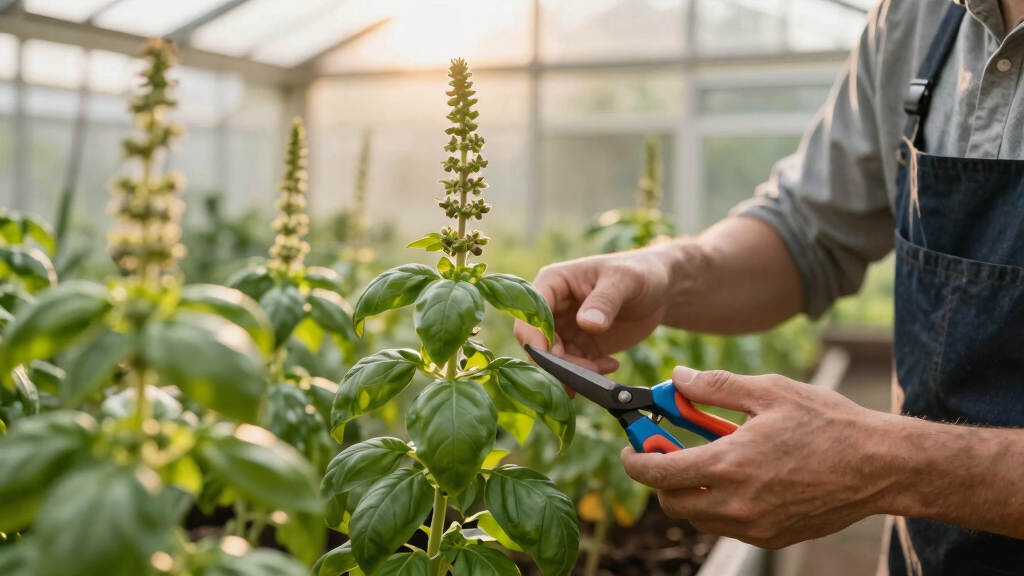
Basil, a popular herb among gardeners, tends to bolt when exposed to high temperatures and extended daylight hours, leading to flowering and seed production. This natural response can shorten the harvesting period and affect the herb’s flavor. Experts say gardeners can implement specific strategies to delay bolting and maximize their basil yields.
According to horticultural sources, basil naturally bolts as a response to environmental stressors such as heat and long days, which trigger the plant’s reproductive cycle. When basil bolts, the leaves become more bitter, and the plant rapidly produces flowers and seeds, reducing the herb’s culinary value.
Gardeners are advised to provide shade during the hottest part of the day, harvest regularly to prevent flowering, and select bolt-resistant basil varieties. Some experts also recommend planting basil earlier in the season or using shade cloths to mitigate heat stress.
While environmental factors are confirmed causes of bolting, some claims suggest that certain fertilization or watering practices can influence the timing, though these are less well-established and still under study.
Impacts of Basil Bolting on Herb Quality and Garden Productivity
Understanding and managing basil bolting is important because it directly affects the herb’s flavor, yield, and overall usefulness for culinary purposes. For home gardeners and small-scale growers, preventing early flowering can extend the harvesting window and improve the quality of the basil leaves.
Additionally, knowing how environmental conditions influence bolting helps gardeners adapt their practices to different climates, potentially reducing waste and increasing satisfaction with their herb crops.
Products Worth Considering

Sylviera 8 x 10 ft Polycarbonate Greenhouse with Hygrometer

Garvee 6×10 ft Polycarbonate Greenhouse with Aluminum Frame, Lockable Door and Adjustable Roof Vent

Husqvarna 120 Mark III Gas Chainsaw, 38-cc, 2-Cycle X-Torq Engine, 16 Inch Bar
As an affiliate, we earn on qualifying purchases.
Environmental Triggers and Traditional Practices for Delaying Bolting
Basil naturally responds to environmental cues by flowering when conditions signal that reproduction is advantageous, typically in response to heat and long daylight hours. Historically, gardeners have used shade, regular pruning, and early planting to delay bolting. Recent studies reinforce that high temperatures are the primary trigger, with some evidence suggesting that certain basil varieties are more resistant to bolting than others.
Previous advice has included watering practices and soil management, but current research emphasizes environmental control as the most effective method to delay flowering.
“Basil’s tendency to bolt is primarily driven by environmental stressors like heat and light. Providing shade and harvesting frequently can significantly extend the herb’s productive period.”
— Dr. Lisa Green, horticulturist
Unclear Factors and Ongoing Research on Bolting Triggers
While heat and light are confirmed as primary triggers, it is still unclear how factors like soil nutrients, watering frequency, and specific basil cultivars interact to influence bolting timing. Some claims about fertilization and watering practices remain anecdotal or under scientific review, and more research is needed to establish definitive best practices.
Future Strategies and Research for Managing Basil Bolting
Researchers plan to investigate genetic differences among basil varieties to identify more resistant strains. Gardeners are encouraged to experiment with shade, early planting, and pruning while following emerging research updates. Industry experts anticipate that new varieties with delayed bolting traits could become available in the coming years.
Key Questions
How can I tell if my basil is about to bolt?
Look for the appearance of flower buds or small flowering stems. The leaves may also become more bitter and less flavorful.
What are the best practices to prevent basil from bolting?
Provide shade during hot days, harvest frequently to remove flowering stems, and choose bolt-resistant varieties. Plant early in the season to avoid peak heat periods.
Are there basil varieties that resist bolting better than others?
Yes, some cultivars like ‘Genovese’ or ‘Dark Opal’ have shown greater resistance, but environmental conditions still play a significant role in bolting behavior.
Does watering frequency influence bolting?
While consistent watering helps reduce stress, its effect on bolting is less direct than environmental factors like temperature and light. Overwatering or underwatering can stress the plant, potentially accelerating bolting.
Can I prevent basil from bolting altogether?
Complete prevention is difficult, especially in hot climates. However, using combined strategies—shade, early planting, pruning, and selecting resistant varieties—can significantly delay flowering and extend harvests.
Source: rss