TL;DR

Get garden gear delivered free with Prime
- Fast, free delivery on millions of items
- Prime Video, Amazon Music and more included
- Member-only deals all year
A gardening trend is gaining attention as experts recommend adding a special extra to planting holes when planting shrubs or perennials in fall. This practice aims to improve plant survival and health. The specific method is not yet fully confirmed but is drawing widespread interest among gardeners.
A gardening trend is emerging as experts advise adding a specific extra element to planting holes when planting shrubs or perennials in fall. This practice is believed to improve plant health and survival during the colder months, prompting increased interest among gardening enthusiasts and online communities.
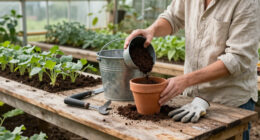
According to recent gardening discussions, many gardeners avoid planting shrubs or perennials in fall unless they incorporate an additional step into the planting process. The recommended practice involves adding a ‘secret extra’—a specific amendment or material—to the bottom or sides of the planting hole before placing the plant, don’t cut back these perennials too soon. While the exact nature of this extra has not been officially confirmed, it is believed to help improve soil conditions, retain moisture, or provide nutrients critical for winter survival.
Some sources suggest that this extra could be a type of organic matter, a soil amendment, or a specific mulch-layer, but no definitive details have been publicly verified. The trend appears to have originated from a popular gardening influencer or expert sharing personal experience, which has since sparked widespread online searches and discussions. For more seasonal advice, see why you should never plant these shrubs in July. The practice is particularly relevant for gardeners in regions with harsh winters, where plant survival can be challenging.
Despite the popularity of the trend, experts caution that the effectiveness of this ‘secret extra’ remains unconfirmed by scientific studies or official horticultural guidelines. Gardeners should consider local conditions and trusted sources before making changes. Gardeners are advised to consider local conditions and consult trusted sources before adopting the method widely.
Why Gardeners Are Paying Attention to Fall Planting Tips
This trend matters because it could influence best practices for fall planting, potentially increasing survival rates of shrubs and perennials during winter. If validated, the method might become a standard recommendation, helping gardeners achieve healthier, more resilient plants. It also highlights how informal tips and shared experiences can rapidly influence gardening behaviors and online search patterns, especially when linked to seasonal planting decisions.
planting soil amendment for shrubs
As an affiliate, we earn on qualifying purchases.
As an affiliate, we earn on qualifying purchases.
Fall Planting Practices and Seasonal Challenges
Traditionally, gardeners have been cautious about planting in fall due to colder temperatures, shorter days, and soil conditions that can hinder root growth. Many experts recommend planting in spring or early summer for optimal results. However, with more gardeners seeking to extend planting seasons and improve plant success, fall planting has gained popularity, especially in regions with mild winters. The recent surge in interest around this ‘secret extra’ reflects ongoing efforts to address the challenges of fall planting, such as soil moisture retention and root protection.
Prior to this trend, common advice included using mulch or soil amendments to protect plants during winter, but no specific method involving a ‘secret extra’ has been widely documented or recommended by horticultural authorities. The current buzz appears to be driven by anecdotal reports and social media sharing, rather than formal research.
Unconfirmed Nature of the ‘Secret Extra’ and Its Effectiveness
The exact nature of the recommended ‘secret extra’ remains unconfirmed. It is unclear whether this involves a specific soil amendment, mulch, organic matter, or other material. Additionally, there is no scientific research currently validating its effectiveness in improving plant survival during fall and winter. Experts warn that anecdotal reports, while promising, require further testing to establish proven benefits.
Next Steps for Validation and Adoption of the Technique
Researchers and horticultural organizations may begin investigating this practice more systematically to determine its efficacy. Meanwhile, gardeners are encouraged to share their experiences and consult trusted sources before adopting the method broadly. As interest continues to grow, official guidelines could be updated if scientific validation supports the claims.
Key Questions
What exactly is the ‘secret extra’ recommended for fall planting?
The specific material or amendment is not yet confirmed. It is described as an additional element added to the planting hole, believed to improve plant survival, but details are still emerging.
Is this technique safe for all types of shrubs and perennials?
Without official validation, it is unclear whether the method is suitable for all plants. Gardeners should consider local conditions and consult trusted sources before use.
Has this method been scientifically tested?
No, current reports are anecdotal. Scientific studies are needed to verify the effectiveness of adding this ‘secret extra’ during fall planting.
When will more definitive guidance be available?
It is not yet known when formal research or official recommendations will be published, but interest is likely to prompt further investigation.
Can I try this method in my garden now?
Gardeners can experiment cautiously, but should be aware that the technique is not yet scientifically validated. Proceed with care and monitor plant responses.
Source: rss
Fall yard work Picks
leaf blowers
As an affiliate, we earn on qualifying purchases.