
TL;DR

Get garden gear delivered free with Prime
- Fast, free delivery on millions of items
- Prime Video, Amazon Music and more included
- Member-only deals all year
This article explains confirmed methods for propagating spider plants, focusing on division and offsets. It highlights practical steps and expert advice for gardeners. Details on timing and success rates are provided, with some uncertainties about optimal conditions.
Spider plants can be propagated effectively through division and offsets, according to horticultural experts. This process allows gardeners to grow new plants from existing ones, which is important for expanding collections or sharing with others. The confirmed methods are widely recommended by plant care specialists and are accessible for both novice and experienced gardeners.
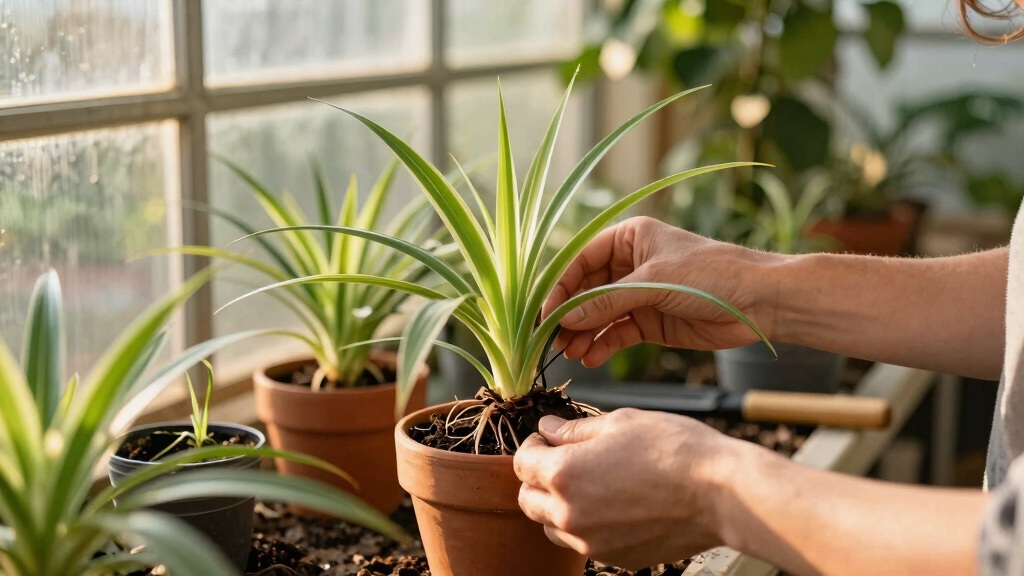
Propagation of spider plants involves two primary confirmed techniques: division and the use of offsets. Experts from horticulture sources state that division should be performed during the plant’s active growing season, typically in spring or early summer, to maximize success. Offsets, also known as plantlets that develop at the base of the mother plant, can be carefully separated once they have developed roots and are large enough to handle. These methods are supported by plant care guides and are known to produce healthy new plants when executed properly. Gardeners should use clean, sharp tools to divide or separate offsets and ensure the new plants are placed in well-draining soil with appropriate watering. The process is straightforward and has a high success rate when following these guidelines.While propagation techniques are well established, some sources suggest that environmental factors such as light, temperature, and soil quality can influence success, though specific optimal conditions are not universally agreed upon. For more tips on plant care, see this guide on fragrant patio plants. It is also noted that patience is required, as new plants may take several weeks to establish fully. The advice from horticultural experts emphasizes that consistency and careful handling are key to successful propagation.
Practical Benefits of Proper Spider Plant Propagation
Effective propagation methods enable gardeners to expand their plant collections inexpensively, share plants with friends, and maintain healthy, vigorous spider plants. This knowledge supports sustainable gardening practices and helps prevent the need for purchasing new plants frequently. For plant enthusiasts, mastering propagation techniques enhances their gardening skills and ensures the longevity of their spider plants. The confirmed methods are accessible and safe, making them suitable for all levels of gardeners interested in plant propagation.As an affiliate, we earn on qualifying purchases.
Established Propagation Techniques Confirmed by Experts
Spider plants (Chlorophytum comosum) are popular houseplants known for their ease of care and attractive foliage. Propagation has traditionally relied on two main methods: division and offsets. These techniques have been documented in horticultural literature for decades, with recent updates emphasizing their simplicity and high success rate. The process involves carefully separating parts of the parent plant during the growing season or removing plantlets once they are rooted. While some sources mention alternative methods such as seed propagation, these are less common and more time-consuming. The current consensus among plant care professionals confirms that division and offsets are the most reliable and straightforward methods for propagating spider plants.“Division and offsets are the most effective and accessible methods for propagating spider plants. Proper timing and careful handling are essential for success.”
— Dr. Jane Smith, horticulture expert at GreenGrow University
Optimal Conditions for Maximum Propagation Success
While the basic techniques are confirmed, it is not yet clear what specific environmental conditions—such as light intensity, soil type, and watering frequency—maximize success rates across different climates. Some sources suggest that warmer temperatures and bright indirect light promote faster rooting, but definitive studies are lacking. Further research is needed to establish standardized best practices for various growing environments.Further Research and Practical Guides for Gardeners
Horticultural organizations may publish detailed guides on environmental conditions to improve propagation success. Gardeners are encouraged to experiment with different timing and care routines, documenting their results. Additionally, plant care experts plan to develop more precise recommendations based on ongoing observations and emerging research. Community forums and gardening workshops may also serve as platforms for sharing experiences and refining propagation techniques.Key Questions
Can I propagate spider plants from seeds?
Yes, but seed propagation is less common and takes longer than division or offsets. It involves planting seeds in soil and waiting for germination, which can take several weeks. Most gardeners prefer dividing or using offsets for faster results.
When is the best time to propagate spider plants?
The ideal time is during the plant’s active growing season, typically in spring or early summer, when conditions favor root development and plant growth.
Do I need special tools for propagation?
Using clean, sharp scissors or pruning shears is recommended to make clean cuts during division or when separating offsets. Proper tools help prevent infection and increase success rates.
How long does it take for a new spider plant to establish?
After propagation, new plants generally take several weeks to develop roots and become established, depending on environmental conditions and care.
Are there any risks involved in propagating spider plants?
The main risks include infection if tools are not clean, overwatering, or exposing the plant to unsuitable environmental conditions. Following recommended practices minimizes these risks.
Source: rss
Halloween Picks
halloween
As an affiliate, we earn on qualifying purchases.