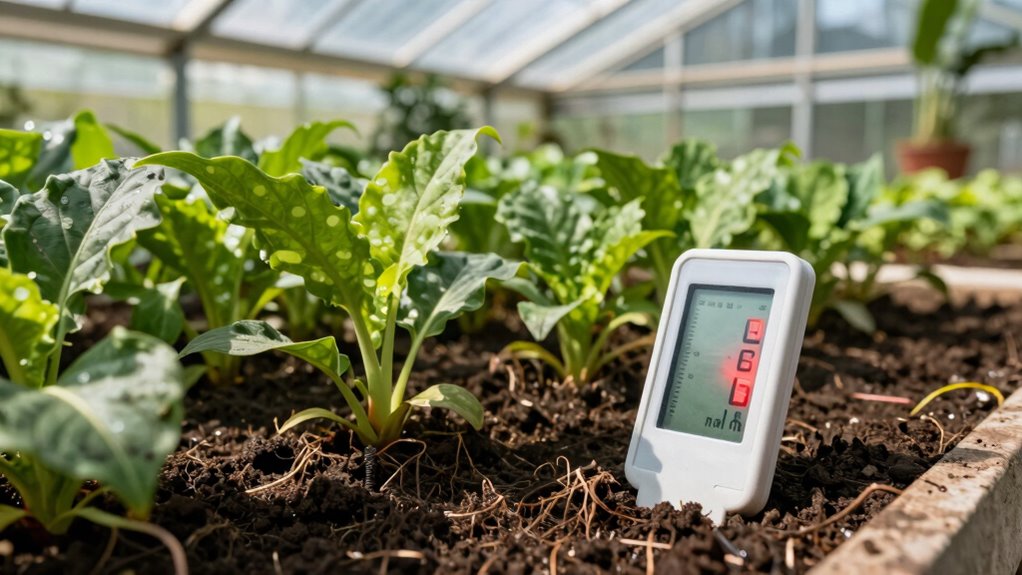

When you change root-zone heat, you quickly affect soil conditions, which in turn influence plant growth, moisture levels, and air temperature. These shifts can cause rapid adjustments needed in watering schedules, ventilation, and insulation. Because soil temperature impacts so many parts of your greenhouse environment, even small changes can cascade and require swift action. If you want to understand how these interconnected factors work together, keep exploring how managing root-zone heat can transform your greenhouse control.

Get garden gear delivered free with Prime
- Fast, free delivery on millions of items
- Prime Video, Amazon Music and more included
- Member-only deals all year
Key Takeaways
- Root-zone heat directly influences soil temperature, affecting plant growth and moisture needs, prompting quick adjustments in management.
- Changes in soil warmth impact air temperature and humidity, requiring rapid modifications to ventilation and cooling strategies.
- Elevated root-zone temperatures can cause moisture imbalance, leading to swift watering schedule changes to prevent stress or disease.
- Soil temperature shifts affect heating and insulation decisions, necessitating immediate reevaluation of environmental controls.
- The interconnected nature of soil, air, and resource management causes prompt decision-making to maintain optimal greenhouse conditions.
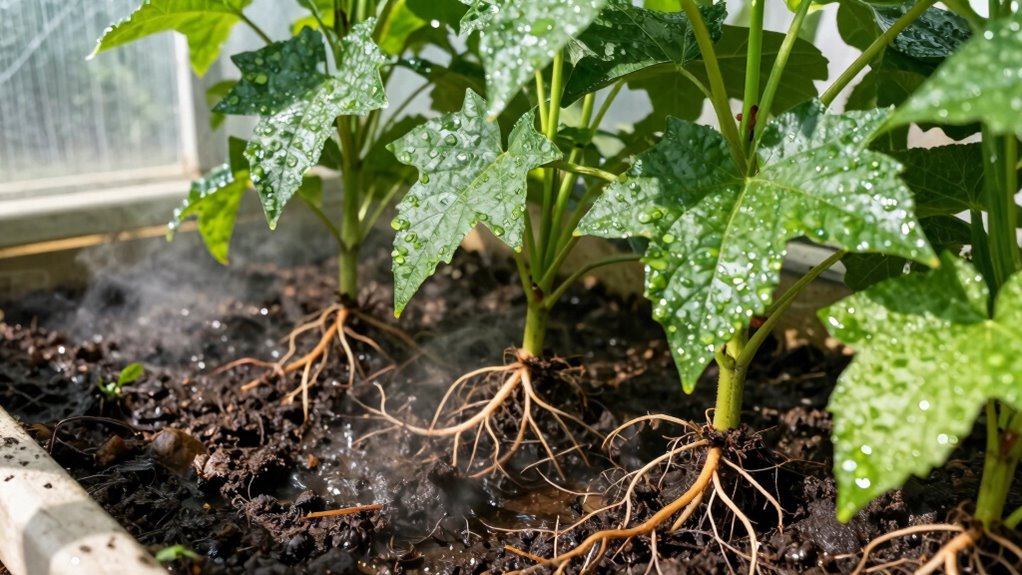
Have you ever wondered how root-zone heat influences your greenhouse decisions? It’s a subtle but powerful factor that impacts not just plant growth, but also your day-to-day management. When you adjust the soil temperature, you change the environment in which your plants develop. Warmer root zones encourage faster nutrient uptake, which can lead to more vigorous growth, but they also alter soil moisture levels. As the soil warms, moisture can evaporate more quickly, requiring you to monitor and adjust watering schedules more frequently. If you neglect soil moisture, plant stress or disease can take hold, undermining your efforts to optimize growth. Balancing soil temperature with proper watering becomes critical, especially when root-zone heat fluctuates due to weather or heating system adjustments.
Adjusting root-zone heat impacts soil moisture, nutrient uptake, and daily greenhouse management strategies.
Air circulation becomes another key consideration because it influences how heat and humidity distribute within your greenhouse. When you increase soil temperature, the surrounding air tends to warm as well, affecting overall humidity levels. Without proper air circulation, warm, moist air can stagnate around the plants, creating pockets of high humidity that promote mold or fungal diseases. You’ll need to tweak your ventilation systems or fan placements to ensure even air movement, preventing hot spots and maintaining a stable environment. Proper air circulation also helps to regulate soil temperature more evenly across different zones, reducing the risk of localized overheating and moisture imbalance. Additionally, airflow management plays a crucial role in maintaining the optimal microclimate necessary for healthy plant development.
The moment you start to manage root-zone heat, your decisions about heating and cooling systems become more dynamic. You may find yourself adjusting thermostats, opening vents sooner, or even rethinking insulation strategies. These choices aren’t made in isolation; they’re interconnected. For instance, increasing soil temperature might mean you can hold off on heating during colder days, but only if your air circulation effectively disperses that heat and keeps humidity in check. Conversely, if air circulation is poor, the heat can build up unevenly, leading you to make more frequent adjustments or install additional fans or vents.
Ultimately, you realize that root-zone heat isn’t just about warming the soil—it’s a catalyst that influences soil moisture, air circulation, and your entire greenhouse management plan. Each change you make has ripple effects, pushing you to rethink strategies on the fly. By understanding these interconnected factors, you can respond faster and more precisely to environmental shifts, ensuring your plants stay healthy, your resources are used efficiently, and your greenhouse remains a productive, controlled environment. Recognizing the importance of soil temperature regulation and its impact on overall greenhouse health is essential for effective management.
greenhouse soil temperature controller
As an affiliate, we earn on qualifying purchases.
As an affiliate, we earn on qualifying purchases.
Frequently Asked Questions
How Does Root-Zone Heat Vary With Different Crop Types?
You’ll notice that root-zone heat varies markedly with different crop varieties because each has unique root temperature needs. For example, warm-season crops thrive in higher root-zone temperatures, promoting faster growth, while cool-season crops prefer lower temperatures to prevent stress. Adjusting soil heating systems accordingly helps optimize crop health and yields, ensuring you meet specific temperature requirements for each crop type efficiently and effectively.
What Are the Environmental Impacts of Adjusting Root-Zone Heat?
Adjusting root-zone heat considerably impacts the environment, especially soil moisture and root health. You might see up to 30% changes in soil moisture levels when temperature settings shift, affecting plant growth and water use. Proper regulation minimizes water waste and prevents root stress, promoting healthier plants and reducing resource consumption. By managing heat carefully, you help reduce greenhouse gas emissions linked to excessive water and energy use, supporting sustainability.
Can Root-Zone Heat Be Managed Remotely in Modern Greenhouses?
Yes, you can manage root-zone heat remotely in modern greenhouses. With advanced climate control systems and remote monitoring technology, you can easily adjust soil temperature settings from anywhere. These systems provide real-time data, allowing you to respond quickly to changing conditions. This remote management helps optimize plant growth, conserve energy, and guarantee consistent environmental conditions, making your greenhouse more efficient and easier to operate.
How Does Root-Zone Heat Influence Plant Nutrient Uptake?
Imagine the subtle yet powerful effect of soil temperature on your plants’ health. You might not see it at first, but root-zone heat directly influences nutrient absorption. When the soil warms, roots become more active, accelerating nutrient uptake. Conversely, cooler soil slows this process, risking deficiencies. Managing root-zone heat allows you to fine-tune nutrient delivery, ensuring ideal growth and preventing potential setbacks.
What Are the Costs Associated With Implementing Root-Zone Heating Systems?
Implementing root-zone heating systems involves significant costs. A thorough cost analysis reveals expenses for equipment, installation, and ongoing energy use. You might face installation challenges, such as integrating the system without disrupting existing setups or ensuring even heat distribution. While the benefits improve plant growth, you should weigh these costs carefully against expected gains. Planning ahead helps you manage expenses and address installation hurdles efficiently.
Conclusion
Understanding root-zone heat is like tending a delicate seed; if you ignore its warmth, growth stalls, and decisions falter. When you grasp the subtle signals beneath the surface, you *discover* the rhythm of your greenhouse’s heartbeat. By nurturing this hidden warmth, you *guarantee* resilience and swift adaptation—because, in the quiet depths, lies the true power to shape your future harvests. Stay attuned to the roots, and your greenhouse will flourish in harmony with nature’s unseen cues.
Columbus Day / Indigenous Peoples' Day Picks
long weekend sales
As an affiliate, we earn on qualifying purchases.