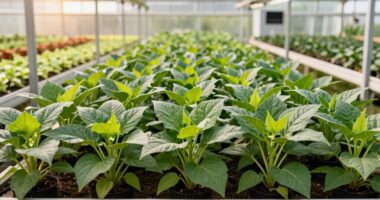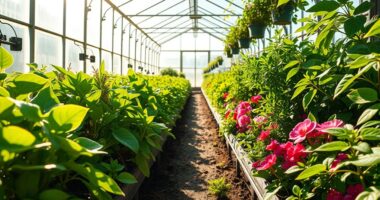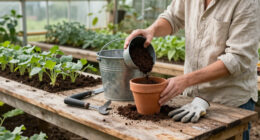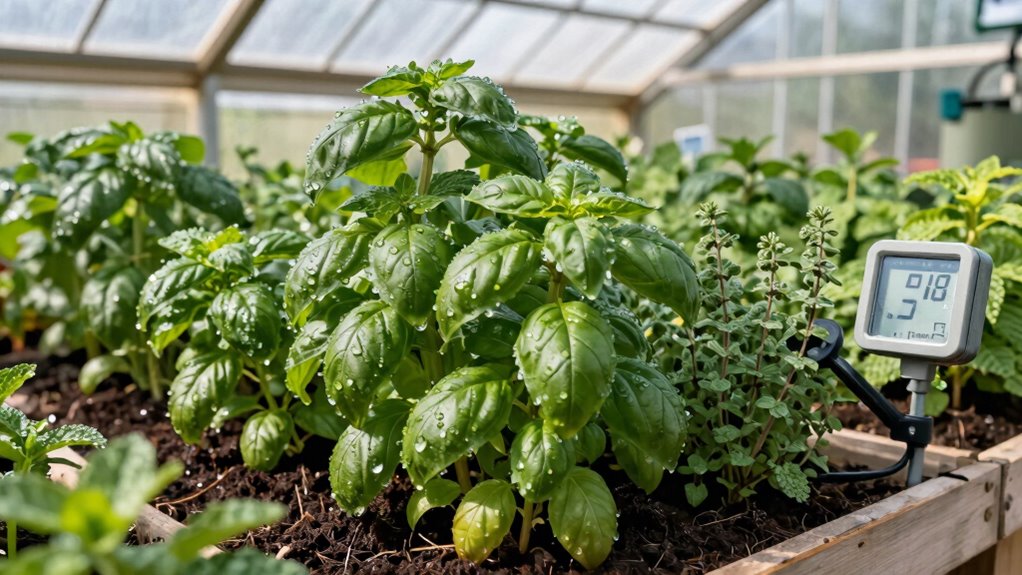

To keep your greenhouse herbs productive longer, regularly inspect plants for pests and use natural predators or organic treatments like neem oil. Maintain soil fertility by testing and supplementing with compost or amendments, and rotate herbs to minimize disease buildup. Water consistently but avoid over- or underwatering to prevent stress. Also, keep the environment clean, improve soil health, and manage humidity to prevent mold. For detailed tips to extend your herbs’ productivity, continue with the next steps.

Get garden gear delivered free with Prime
- Fast, free delivery on millions of items
- Prime Video, Amazon Music and more included
- Member-only deals all year
Key Takeaways
- Regularly inspect and promptly address pest issues using natural predators and organic treatments.
- Maintain balanced soil fertility through testing and appropriate organic amendments.
- Ensure consistent watering based on soil moisture, avoiding over- or underwatering.
- Rotate herbs, remove debris, and improve soil health to prevent pests and diseases.
- Manage greenhouse environment by controlling humidity, airflow, and sanitation for optimal growth.
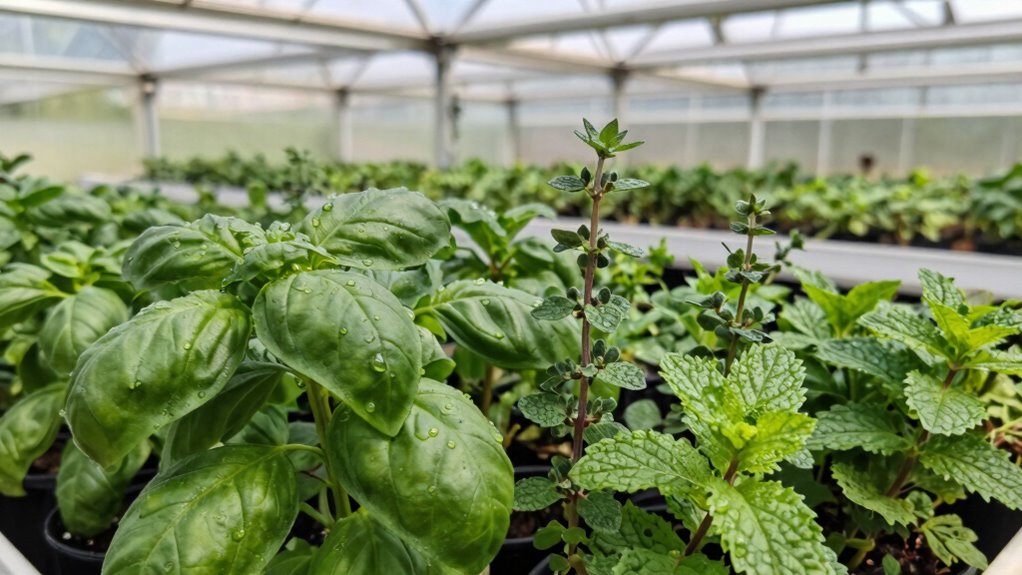
Keeping your greenhouse herbs productive for a longer period requires more than just planting them and hoping for the best. You need to actively manage their environment and health to guarantee they thrive throughout the growing season. One essential aspect of this is herb pest control. Pests like aphids, spider mites, and whiteflies can quickly damage your herbs, stunt their growth, or even wipe out entire crops if left unchecked. Regularly inspecting your plants helps you catch pest problems early. Use natural predators, such as ladybugs, or organic treatments like neem oil to keep pests under control without harming your herbs or the environment. Maintaining proper airflow and humidity levels also discourages pest infestations, reducing the chances of mold and disease that can weaken your plants.
Regular pest inspections and natural controls keep your greenhouse herbs healthy and thriving.
Another indispensable factor in extending your herbs’ productivity is soil fertility management. Healthy, nutrient-rich soil forms the foundation for vigorous herb growth. You should regularly test your soil to understand its nutrient profile and pH levels, adjusting as needed with organic compost, aged manure, or specific amendments. Proper soil management guarantees your herbs have access to essential nutrients like nitrogen, phosphorus, and potassium, which promote lush foliage and robust growth. It’s also important to avoid soil compaction; aerate your soil periodically to improve root health and nutrient uptake. Cover cropping or mulching can further enhance soil fertility by adding organic matter and reducing nutrient runoff, ensuring your herbs get a steady supply of nutrients throughout the season. Additionally, maintaining soil health through soil testing and amendments helps prevent deficiencies that could compromise plant productivity. Incorporating soil health practices can also improve water retention and aeration, which are vital for healthy root development.
Additionally, maintaining ideal watering practices complements herb pest control and soil fertility management. Overwatering can lead to root rot and other diseases, making your plants vulnerable to pests and reducing their productivity. Conversely, underwatering stresses your herbs, weakening their defenses. Aim for consistent moisture levels, watering only when the top inch of soil feels dry. This balance prevents conditions that favor pest outbreaks and soil degradation.
Finally, rotate your herbs and avoid planting the same species in the same spot year after year. Crop rotation minimizes pest buildup and disease cycles, promoting healthier soil and plants. Keep your greenhouse environment clean by removing fallen leaves and plant debris, which can harbor pests and pathogens. By integrating these practices—regular herb pest control, diligent soil fertility management, and proper watering—you’ll create a thriving environment that keeps your herbs productive longer, ensuring a bountiful harvest season after season.
As an affiliate, we earn on qualifying purchases.
Frequently Asked Questions
What Are Common Pests That Affect Greenhouse Herbs?
You’ll often encounter pests like aphids, whiteflies, spider mites, and fungus gnats that threaten your greenhouse herbs. Pest identification is essential for effective control. Use biological control methods, like introducing natural predators such as ladybugs for aphids or predatory mites for spider mites, to keep pests in check. Regular monitoring helps catch infestations early, ensuring your herbs stay healthy and productive longer without relying solely on chemical treatments.
How Often Should I Water My Greenhouse Herbs?
You should water your greenhouse herbs when the top inch of soil feels dry, typically every 2-3 days, but it varies with humidity and temperature. Think about moisture management—overwatering can drown roots, while underwatering stunts growth. Keep a close eye on soil moisture, feeling it regularly, and adjust your watering frequency accordingly. This careful balance keeps your herbs vibrant, healthy, and productive longer, even as seasons change.
Can I Grow Herbs Year-Round in a Greenhouse?
Yes, you can grow herbs year-round in a greenhouse if you manage indoor lighting and air circulation properly. Use grow lights to supplement sunlight during shorter winter days, ensuring your herbs get enough light for healthy growth. Maintain good air circulation with fans to prevent diseases and keep your herbs thriving. Regular watering and monitoring temperature also help create an ideal environment for year-round herb cultivation.
What Soil Amendments Improve Herb Growth?
To improve herb growth, you should focus on enhancing your soil nutrient balance and organic composting. Incorporate well-aged compost to boost essential nutrients and improve soil structure. Use organic amendments like fish emulsion or seaweed extract for a nutrient-rich boost. These amendments foster healthy root systems and vibrant foliage, helping your herbs stay productive longer. Regularly monitor soil health and adjust amendments as needed for ideal herb growth.
How Do I Prevent Diseases in Greenhouse Herbs?
Coincidences often reveal simple solutions, like using compost tea to boost plant immunity, helping prevent diseases. You should guarantee good air circulation in your greenhouse, which discourages fungal growth and keeps humidity in check. Regularly inspect your herbs, remove any diseased leaves, and avoid overwatering. Combining these practices creates a healthier environment where diseases struggle to take hold, keeping your herbs vibrant and productive longer.
Conclusion
With a little care, your greenhouse herbs will flourish like a lush, green oasis all season long. Picture vibrant basil leaves glistening in the sunlight, fragrant mint sprigs swaying gently, and thyme filling the air with its earthy aroma. By nurturing your herbs with consistent watering, proper pruning, and attentive attention, you’ll keep this vibrant paradise thriving. Soon, you’ll harvest fresh, flavorful herbs daily, turning your greenhouse into a fragrant, evergreen sanctuary bursting with life and flavor.
Halloween Picks
halloween
As an affiliate, we earn on qualifying purchases.