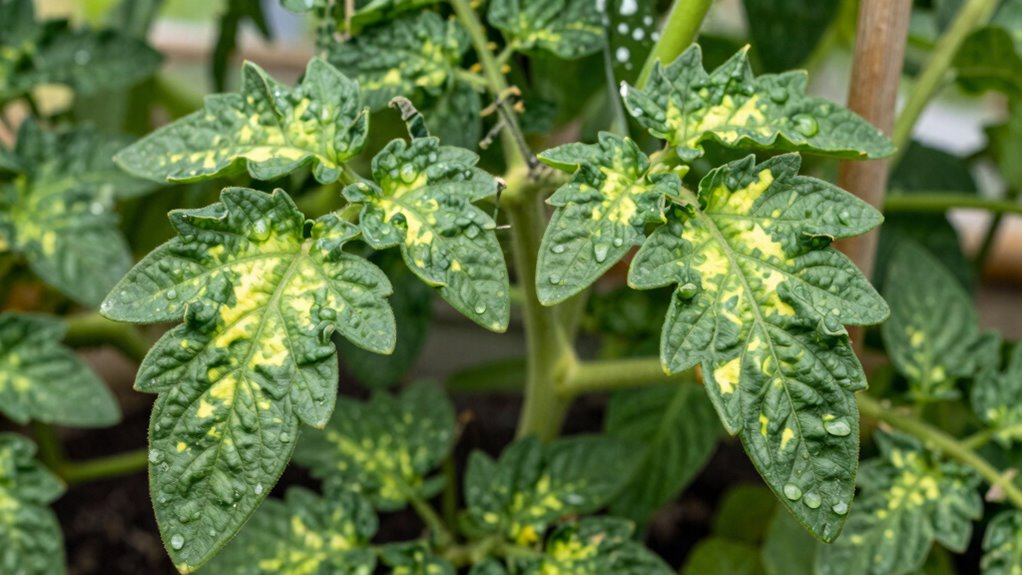

To spot greenhouse water stress early, pay close attention to your plants’ roots and soil conditions. Roots may shrivel or discolor before leaves show signs, and soil that feels dry beneath the surface indicates insufficient moisture. Look for subtle changes like wilting in the morning or roots struggling to absorb nutrients. Use soil moisture meters and inspect regularly to catch issues early. Keep watching — understanding these signs helps you prevent bigger problems down the line.

Get garden gear delivered free with Prime
- Fast, free delivery on millions of items
- Prime Video, Amazon Music and more included
- Member-only deals all year
Key Takeaways
- Check for shriveled or discolored roots during close inspection, indicating early water stress.
- Monitor soil moisture levels regularly with a moisture meter to detect dryness before leaf symptoms appear.
- Feel soil several inches below the surface; dry soil signals potential water stress.
- Observe for wilting or limp leaves early in the morning, even if they seem healthy.
- Maintain consistent watering schedules to prevent fluctuating soil moisture that stresses roots.
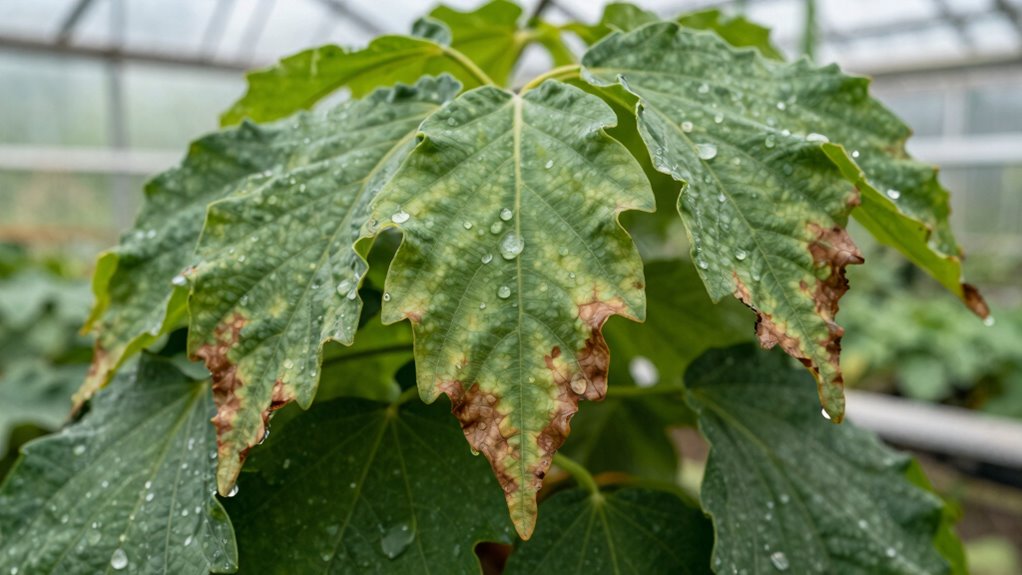
Greenhouse water stress can silently undermine plant health if you’re not paying attention. While it might not be immediately obvious, it starts at the roots, and paying close attention to root health can give you early warning signs. When soil moisture levels are too low or inconsistent, your plants struggle to absorb the nutrients they need, which weakens their overall vitality. You might notice the first signs of stress in the roots—shriveling, discoloration, or a lack of dense, healthy root growth. These are clear indicators that your plants aren’t getting enough water, even if the leaves still look okay at first glance. Regularly checking soil moisture is essential; a moisture meter can help you determine if your watering practices are adequate. If the soil feels dry several inches below the surface, your plants are likely experiencing water stress. Conversely, overly wet soil can suffocate roots and promote disease, so maintaining ideal soil moisture is key.
You want to establish a consistent watering schedule that keeps the soil evenly moist, not saturated or bone dry. When soil moisture fluctuates wildly, roots can become stressed, leading to poor nutrient uptake and making plants more vulnerable to pests and diseases. To catch water stress early, monitor your plants closely and look for subtle signs. Wilting leaves in the morning, even after watering, often point to root problems caused by insufficient soil moisture. Additionally, if the soil dries out quickly after watering or feels crumbly and dry at deeper levels, it indicates that your plants are under water stress. These are signs that you need to adjust your watering routine before the stress manifests visibly in the leaves. Regular soil testing can help you better understand soil moisture levels and prevent stress before symptoms appear.
Being proactive means regularly inspecting the root zone and soil moisture levels, especially during hot or dry periods when water loss accelerates. Keep a close eye on your watering practices, and don’t rely solely on visual cues from the leaves, which often show stress too late. Recognizing early signs of water stress and understanding the importance of soil moisture management can greatly improve plant health. When you maintain proper soil moisture and support healthy root development, your plants are better positioned to withstand environmental challenges and thrive in your greenhouse. Recognizing early signs of water stress helps you intervene before it impacts your plants’ overall growth and productivity. The key is consistent observation and adjustment. When you stay vigilant about root health and soil moisture, you’re taking essential steps to prevent long-term damage and ensure your greenhouse plants stay healthy and vigorous.
As an affiliate, we earn on qualifying purchases.
Frequently Asked Questions
Can Water Stress Affect Plant Growth Rates?
Yes, water stress can slow down your plant’s growth rate. When soil moisture drops too low, plants can’t absorb essential nutrients, leading to nutrient deficiency. This hampers cell development and overall growth. You might notice smaller leaves, stunted stems, or fewer new shoots. To prevent this, regularly check soil moisture levels and guarantee your plants receive consistent, adequate watering. Proper hydration promotes healthy growth and prevents nutrient-related growth setbacks.
What Are Early Signs of Water Stress in Roots?
You can spot early signs of water stress in roots through root discoloration, which appears as browning or darkening, and root shrinkage, where roots become smaller and less firm. These signs indicate the plant isn’t getting enough water and is beginning to suffer. Regularly inspecting roots for these changes helps you catch water stress early, allowing you to adjust watering practices before more severe damage occurs.
Does Water Stress Impact Pest Susceptibility?
Water stress can increase pest susceptibility, even amidst soil compaction and nutrient imbalance. When plants struggle with water, they weaken their defenses, attracting pests more easily. You might notice pests thriving where roots are compressed or nutrients are imbalanced, exploiting the plant’s vulnerability. So, addressing water stress early helps reduce pest problems, preventing pests from taking advantage of weakened plants and maintaining healthier greenhouse conditions.
How Often Should I Check Moisture Levels?
You should check soil moisture daily to maintain an ideal watering schedule. Use a moisture meter or probe to assess soil moisture levels, especially in different areas of your greenhouse. Consistent checks help you identify when plants need watering before stress symptoms appear. Adjust your watering schedule accordingly, ensuring the soil stays evenly moist but not waterlogged. Regular monitoring prevents water stress and promotes healthy plant growth.
Can Water Stress Occur Without Visible Leaf Symptoms?
Yes, water stress can occur without visible leaf symptoms. If your soil moisture levels drop, it can impact root health first, even before leaves show signs. Roots struggle to access water, leading to subtle stress signals. Regularly monitoring soil moisture helps catch these early signs, ensuring your plants stay healthy. Keeping an eye on root health and soil moisture levels allows you to address water stress before it becomes obvious through leaf changes.
Conclusion
By paying close attention to subtle signs like wilting or dry patches, you can catch greenhouse water stress early and prevent serious damage. Some might think it’s unnecessary to monitor so carefully, but catching issues early saves time, water, and plants in the long run. Remember, proactive care often makes the difference between thriving crops and losses. So, stay vigilant and trust your observations—you’ll keep your greenhouse healthy and productive.
Evergreen bestsellers Picks
bestsellers
As an affiliate, we earn on qualifying purchases.