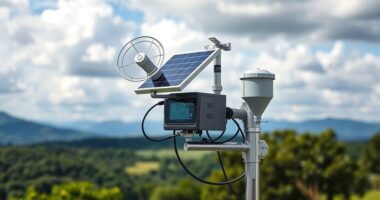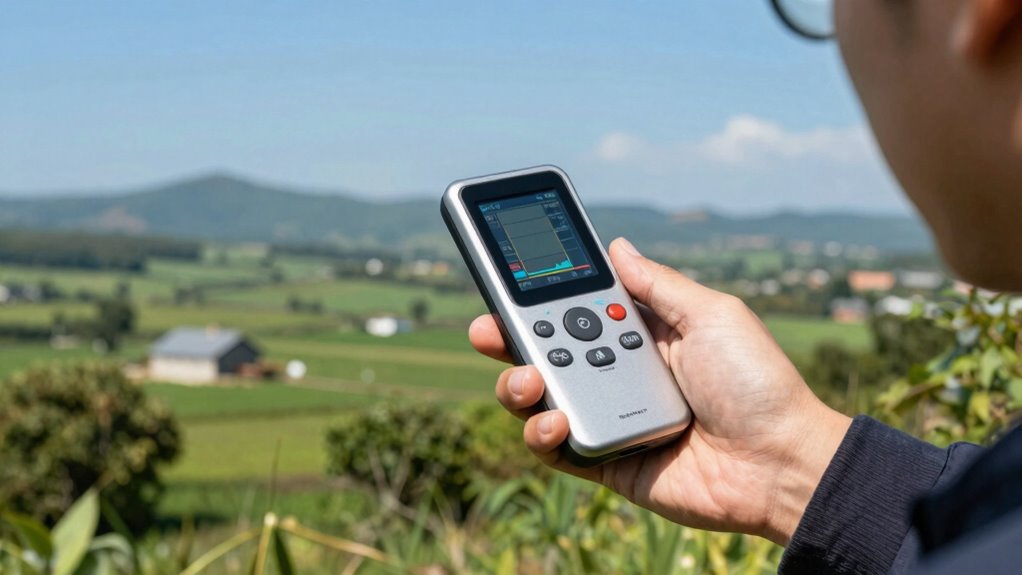

To pick remote sensors that solve real problems, you need to take into account their power management, ensuring they last long or are easy to maintain. Match their measurement capabilities to your specific needs, like temperature or motion detection, and check durability for harsh environments. Think about size, installation ease, and environmental resistance to reduce upkeep. Balance cost with features, focusing on reliable performance within your budget. If you want to make smarter choices, keep exploring further for detailed guidance.

Get garden gear delivered free with Prime
- Fast, free delivery on millions of items
- Prime Video, Amazon Music and more included
- Member-only deals all year
Key Takeaways
- Identify the specific environmental parameters you need to monitor and select sensors with appropriate measurement capabilities.
- Assess power management options, favoring energy-efficient or solar-powered sensors for long-term, maintenance-free deployment.
- Ensure sensors are durable and environmentally resistant to withstand the conditions of their installation site.
- Consider physical size and installation requirements to match environmental constraints and ease of deployment.
- Balance cost with features, prioritizing reliable performance and connectivity to address real-world problems effectively.
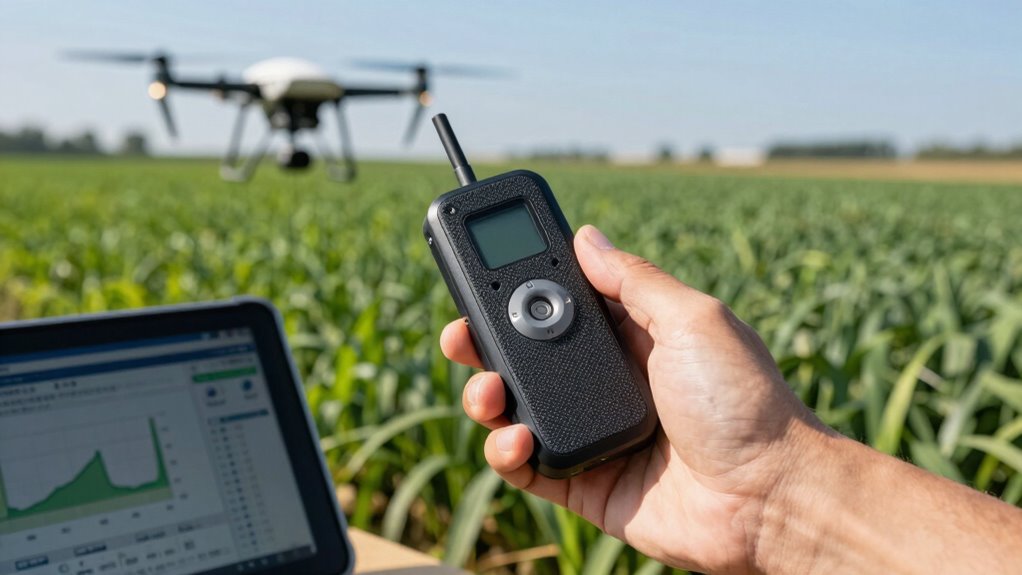
Power management is another essential factor. Many remote sensors are battery-powered, so understanding their power consumption helps you determine maintenance needs and longevity. Some sensors have low-power modes that extend battery life, while others may require frequent charging or battery replacements. If your project demands long-term deployment without regular upkeep, choose sensors with energy-efficient designs or consider options like solar-powered units. For wired sensors, power supply considerations are straightforward, but you should verify compatibility with your power sources and assure stable operation over time.
Beyond connectivity and power, you’ll want to evaluate the sensor’s measurement capabilities. Are you monitoring temperature, humidity, motion, or other environmental factors? Different sensors are specialized for specific parameters, so picking one that accurately captures your target data is crucial. Accuracy, response time, and range are all factors that influence how well the sensor performs its role. For instance, if you need real-time alerts for critical conditions, select a sensor with low latency and high precision.
Durability and environmental resistance are equally important. Will the sensor be exposed to water, dust, extreme temperatures, or vibrations? If so, look for models with appropriate ingress protection ratings and rugged construction. The sensor’s physical size and installation requirements also matter—some environments demand compact, discreet units, while others might accommodate larger, more robust devices. Considering environmental resistance can help you choose a sensor that withstands harsh conditions and minimizes maintenance needs. Additionally, reviewing industry standards for environmental durability can guide you toward more reliable options. It’s also wise to consider cost-effectiveness to ensure the sensor fits within your budget without compromising essential features.
Finally, consider the overall cost—not just the initial purchase but also installation, maintenance, and potential upgrades. Balancing budget constraints with technical specifications ensures you get a sensor that delivers reliable performance without overspending. By carefully evaluating wireless connectivity options, power management features, measurement accuracy, environmental durability, and cost, you can select remote sensors that truly solve your specific challenges and contribute to your project’s success.
solar powered remote temperature sensor
As an affiliate, we earn on qualifying purchases.
As an affiliate, we earn on qualifying purchases.
Frequently Asked Questions
What Are the Common Mistakes When Selecting Remote Sensors?
A common mistake when selecting remote sensors is ignoring proper sensor calibration, which can lead to inaccurate data. You also often overlook power consumption; choosing sensors with high energy needs can drain batteries quickly. Make sure you assess calibration needs and match power requirements to your project’s energy sources. Failing to do so results in unreliable readings and increased maintenance, compromising the effectiveness of your remote sensing system.
How Do Environmental Factors Affect Sensor Performance?
Environmental factors affect sensor performance like wind bending a tree—causing unpredictability. Variability in temperature, humidity, or electromagnetic interference can distort sensor readings, making calibration essential. You should regularly calibrate sensors to account for environmental changes and guarantee accuracy. Ignoring these influences risks unreliable data, so selecting sensors that handle environmental variability and maintaining proper calibration helps you get precise, trustworthy measurements in real-world conditions.
Can Remote Sensors Be Integrated With Existing Systems Easily?
Yes, remote sensors can be integrated with existing systems quite easily if you focus on wireless connectivity options like Wi-Fi, Bluetooth, or LoRaWAN. Make sure the sensors have compatible interfaces and protocols. Also, consider power management features to prolong battery life and reduce maintenance. Proper planning and choosing sensors with flexible integration options make the process smoother, helping you seamlessly incorporate new remote sensors into your current infrastructure.
What Is the Typical Lifespan of Remote Sensors?
Remote sensors typically last between 5 to 10 years, much like the steady beat of a heart. You must focus on sensor calibration to maintain accuracy and optimize power management to extend lifespan. As technology advances, some sensors now integrate energy-efficient components, boosting longevity. By choosing sensors with robust power management and scheduling regular calibration, you guarantee they perform reliably over their lifespan, avoiding premature replacement.
How Do I Ensure Data Security With Remote Sensors?
To guarantee data security with remote sensors, you should implement robust data encryption to protect transmitted data from interception. Additionally, establish strict access control measures, like user authentication and permissions, to prevent unauthorized access. Regularly update firmware and security protocols, and monitor network activity for suspicious behavior. These steps help safeguard your data, maintain privacy, and ensure the sensor system operates securely and reliably.
Conclusion
Choosing the right remote sensor isn’t just about technology; it’s about solving real-world problems. While advanced features may seem enticing, remember that simplicity often leads to better results. Imagine a sensor that seamlessly integrates into your daily operations versus one that complicates them. In the end, it’s not just about the gadgets you select but how they make your work easier and more effective. Focus on solutions, not just specs, for true success.
Fall yard work Picks
leaf blowers
As an affiliate, we earn on qualifying purchases.