TL;DR

Get garden gear delivered free with Prime
- Fast, free delivery on millions of items
- Prime Video, Amazon Music and more included
- Member-only deals all year
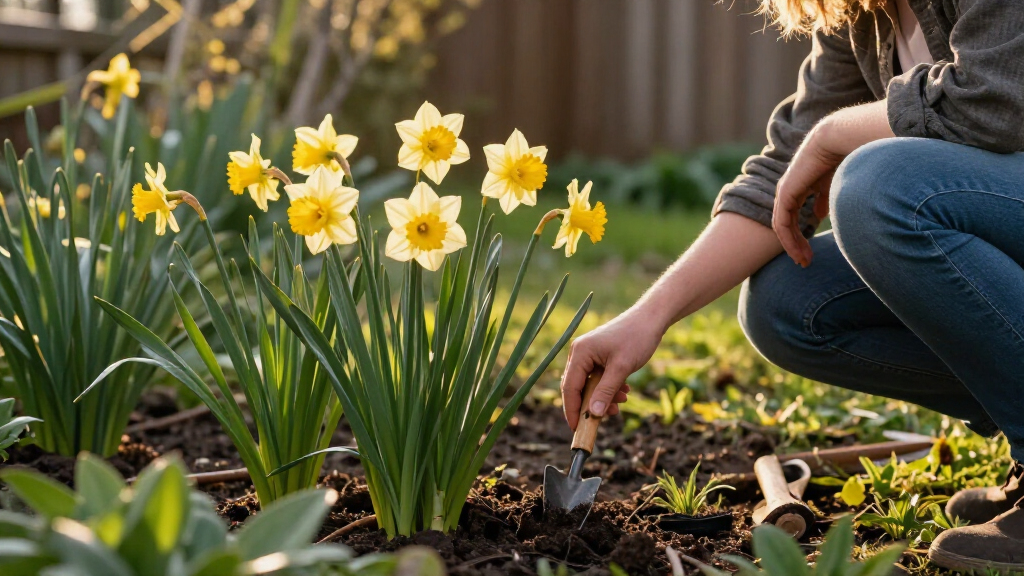
A new daffodil variety is increasingly favored by gardeners for its fragrance, durability, and long lifespan, gradually replacing traditional yellow varieties. The trend is driven by gardening interest and plant performance, though official confirmation is pending.
Why Rising Interest in Fragrant Daffodils Matters for Gardeners
This trend indicates a shift in gardener preferences toward plants that combine visual appeal with sensory experiences like fragrance. The increasing popularity of this daffodil could influence nursery stock offerings and landscape planting choices, potentially leading to broader adoption of more diverse and resilient bulb varieties. For consumers, it offers an alternative to traditional yellow daffodils, especially for those seeking longer-lasting, hardy, and fragrant options. If the trend continues, it may also impact breeding programs focused on developing more sensory-rich and durable flowering bulbs, shaping future garden planting standards.As an affiliate, we earn on qualifying purchases.
Background on Daffodil Cultivation and Recent Trends
Daffodils have long been a staple in spring gardens, with the classic yellow varieties being the most common and widely cultivated. Over recent years, there has been growing interest in diversifying bulb plantings with varieties that offer unique features, such as fragrance and increased resilience. The current trend appears to be part of a broader movement toward more sensory and sustainable gardening practices, driven by consumers seeking plants that offer more than just visual appeal. While traditional yellow daffodils remain popular, reports indicate that newer, more fragrant varieties are gradually gaining ground, although these developments have not yet been officially confirmed by major horticultural organizations or bulb breeders.Unconfirmed Details About the New Daffodil Variety
It is not yet clear which specific cultivar is gaining popularity, nor has there been an official announcement from bulb growers or horticultural authorities. Details about its origin, breeding, and commercial availability remain unverified, and the trend could still be in early stages of consumer adoption.Monitoring Adoption and Industry Confirmation
Further research and industry statements are expected to clarify whether this daffodil variety will become mainstream. Gardeners and nurseries will likely observe increased availability and marketing of this type if the trend continues. Experts anticipate that more detailed horticultural data and official cultivar names will emerge as the interest spreads.Key Questions
What makes this new daffodil different from traditional yellow varieties?
The new daffodil is noted for its fragrance, durability, and longer lifespan, offering a sensory experience that traditional yellow varieties typically do not provide.
Is this variety commercially available now?
Currently, there is no official confirmation of commercial availability. The trend appears to be based on growing consumer interest and search activity, but details are still emerging.
Why are gardeners interested in this new variety?
Gardeners are seeking plants that combine visual beauty with fragrance and resilience, making this daffodil an attractive option for sensory and low-maintenance gardening.
Could this trend impact the future of daffodil breeding?
Yes, if the trend continues, breeders may focus more on developing fragrant, hardy, and long-lasting daffodil varieties to meet consumer demand.
Source: rss
Fall Picks
fall essentials
As an affiliate, we earn on qualifying purchases.