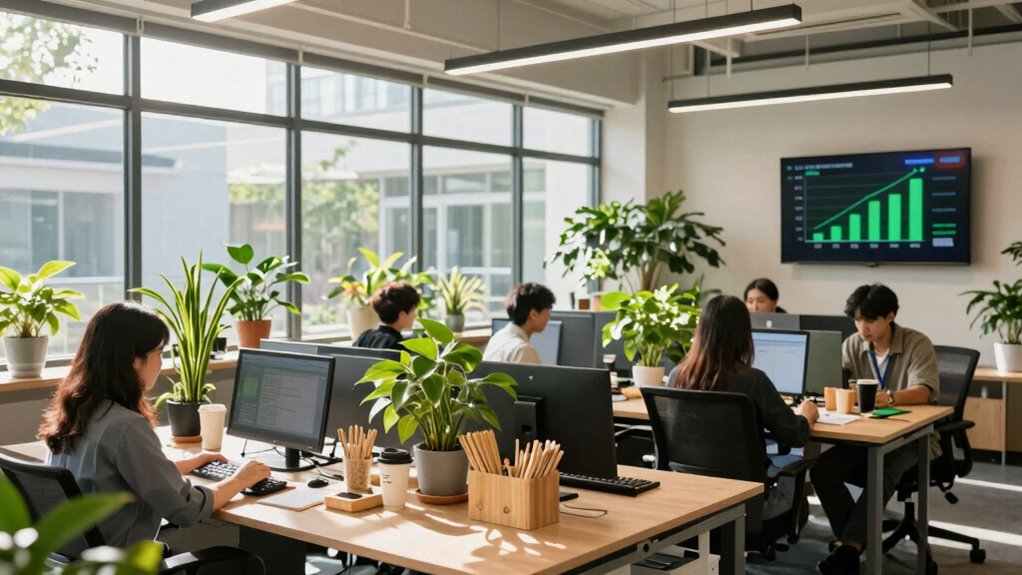

You can cut greenhouse waste without losing productivity by adopting renewable energy sources like solar and wind, which lower emissions and reduce costs long-term. Optimize waste management through recycling, composting, and waste audits, while leveraging technology like smart meters for real-time tracking. Engage staff with training on energy-saving habits and rethink your supply chain to focus on eco-friendly materials and efficient logistics. Keep exploring to discover more strategies that boost sustainability without sacrificing performance.

Get garden gear delivered free — and shop member deals
- Fast, free delivery on millions of items
- Access to Prime Big Deal Days deals on October 6–7
- Prime Video, Amazon Music and more included
Key Takeaways
- Implement renewable energy sources like solar and wind to lower emissions without impacting productivity.
- Use advanced data tracking and automation to optimize resource use and waste management efficiently.
- Train staff on sustainable practices to enhance energy and waste reduction without disrupting workflows.
- Rethink supply chain logistics to minimize transportation emissions while maintaining operational efficiency.
- Conduct waste audits and promote recycling and composting to reduce greenhouse waste without reducing output.
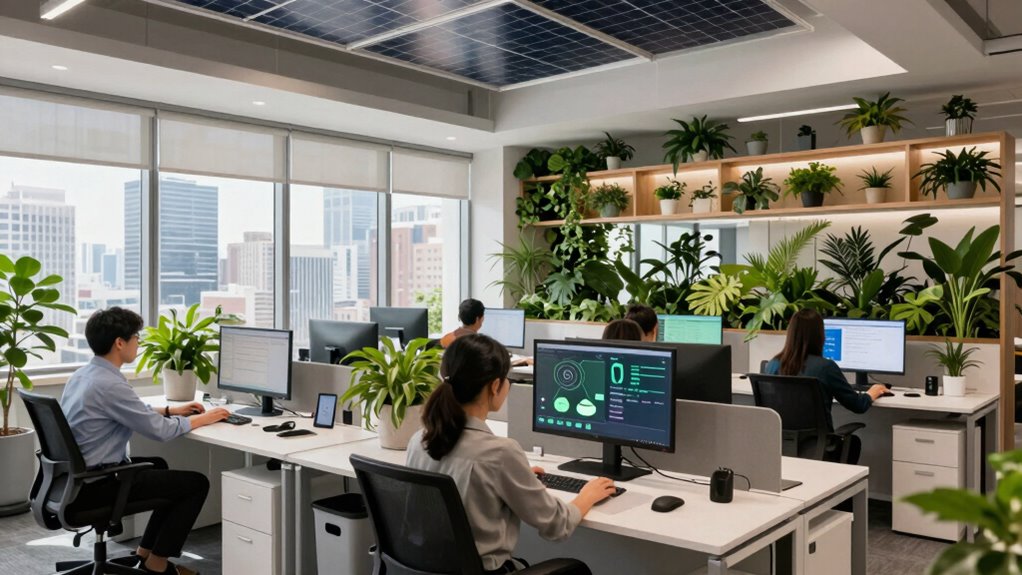
Are you looking for ways to cut greenhouse waste without sacrificing your business’s productivity? Making your operations more sustainable doesn’t mean you have to slow down or compromise efficiency. Instead, focusing on integrating renewable energy sources and optimizing waste management can help you hit that balance. Renewable energy, like solar or wind power, offers a clean, reliable alternative to traditional fossil fuels, reducing your carbon footprint while maintaining your energy needs. Installing solar panels on your facilities or purchasing renewable energy credits can notably lower greenhouse gas emissions without disrupting your workflow. Not only does this shift help the environment, but it can also reduce your long-term energy costs, freeing up resources for other aspects of your business. Incorporating renewable energy solutions into your operations can further enhance your sustainability efforts and demonstrate your commitment to environmental responsibility.
Cut greenhouse waste with renewable energy and smarter waste management for sustainable business success.
Effective waste management is equally vital. By implementing smarter waste strategies, you can minimize waste generation and guarantee proper disposal or reuse of materials. This includes conducting waste audits to identify where excess waste occurs and finding ways to reduce it at the source. Recycling programs tailored to your industry can divert waste from landfills, decreasing methane emissions and conserving resources. Composting organic waste, if applicable, further reduces greenhouse gases and turns waste into valuable input for landscaping or agriculture. When waste is managed efficiently, you prevent clutter, improve workplace safety, and demonstrate your commitment to sustainability—without slowing your operations. Additionally, leveraging waste reduction techniques can help optimize resource use and further lower your environmental impact. Incorporating technological innovations can also streamline waste management processes, making sustainability efforts more effective. Utilizing advanced waste tracking systems can provide real-time data and help identify areas for improvement more quickly. Exploring digital monitoring tools can enhance your ability to track and manage waste flows comprehensively.
Another key step involves training your staff on sustainable practices. Educating employees about energy conservation and waste reduction encourages daily habits that support your green initiatives. Simple actions like turning off unused devices, using energy-efficient lighting, and properly sorting recyclables can make a noticeable difference. Incorporating technology solutions such as smart meters and automated systems can optimize energy and waste management, making it easier to track progress and identify areas for improvement.
Additionally, rethinking your supply chain can contribute to sustainability goals. Partnering with suppliers who prioritize eco-friendly materials and practices helps reduce the lifecycle greenhouse emissions of your products. Streamlining logistics to cut down on transportation emissions also plays a role in lowering your overall greenhouse waste.
Ultimately, reducing greenhouse waste while maintaining productivity is achievable through a combination of renewable energy investments, smarter waste management, staff engagement, and supply chain adjustments. These strategies allow you to operate more sustainably without sacrificing the efficiency and output your business depends on. Embracing these changes not only benefits the environment but also enhances your reputation and can lead to cost savings, making your business more resilient in the long run.
As an affiliate, we earn on qualifying purchases.
Frequently Asked Questions
Can Small Businesses Implement These Greenhouse Waste Reduction Strategies?
Yes, small businesses can implement greenhouse waste reduction strategies. You can switch to sustainable packaging to cut waste and appeal to eco-conscious customers. Additionally, investing in renewable energy sources like solar panels helps lower your carbon footprint without sacrificing productivity. These steps are cost-effective and manageable, allowing your business to grow sustainably while making a positive environmental impact. Start small, and gradually expand your green initiatives for lasting change.
What Are Cost-Effective Methods for Reducing Greenhouse Waste?
Think of your business as a garden needing careful watering; cost-effective waste reduction is your way to nurture it sustainably. You can switch to renewable energy sources like solar or wind, which cut long-term costs and emissions. Additionally, implementing waste recycling practices helps turn waste into resources, reducing landfill contributions. These methods are budget-friendly and effective, allowing you to lower greenhouse waste without sacrificing productivity.
How Long Does It Take to See Results From These Changes?
You can typically see results from these changes within a few months, but it varies based on the specific strategies you implement. For accurate timeframe expectations, regularly measure results using clear metrics like waste reduction percentages or energy savings. Consistent monitoring helps you stay on track and adjust efforts if needed, ensuring you realize environmental benefits without sacrificing productivity. Patience and ongoing evaluation are key to achieving sustainable improvements.
Are There Specific Industries More Suited to These Strategies?
Certain industries, like manufacturing, agriculture, and transportation, benefit more from sector-focused strategies and industry-specific adaptations. These sectors often have higher greenhouse waste emissions and therefore can see quicker, more impactful results. By tailoring your approaches to fit each industry’s unique processes and challenges, you’ll optimize waste reduction efforts without sacrificing productivity. Focus on sector-specific strategies to make meaningful progress and ensure your initiatives are practical and effective.
How Can Employees Be Motivated to Support Green Initiatives?
Motivating employees to support green initiatives starts with meaningful engagement and clever motivation strategies. You can create a culture of conscious conduct by offering recognition, rewards, and opportunities for involvement. Use consistent communication to connect their efforts to positive environmental impacts. When employees feel valued and part of a purpose, their participation flourishes. This fosters a friendly, focused, and future-forward workforce dedicated to reducing greenhouse waste without sacrificing productivity.
Conclusion
So, here’s the irony: you can actually cut greenhouse waste without losing an ounce of productivity—if you’re willing to rethink your approach. By embracing smarter practices and sustainable innovations, you’ll not only help the planet but also boost your efficiency. Who knew that saving the environment could be the most productive move you make? Turns out, doing good and doing well aren’t mutually exclusive—they’re just two sides of the same coin.
Fall yard work Picks
leaf blowers
As an affiliate, we earn on qualifying purchases.