TL;DR

Get garden gear delivered free with Prime
- Fast, free delivery on millions of items
- Prime Video, Amazon Music and more included
- Member-only deals all year
An Ideal Home report describes five ways to reuse horse chestnut conkers: add crushed seeds to ornamental compost, include them in wildlife shelter areas, use dried conkers to deter moths, make seasonal decorations and prepare a soapy cleaner. The report says conkers do not have a proven effect on spiders and cautions that they contain a mild toxin, making pet access and vegetable compost uses concerns.
Ideal Home has outlined five ways to reuse horse chestnut conkers around the home and garden this autumn, including adding them to compost, using them in wildlife shelters and making a soapy cleaner. The advice, attributed to gardening experts, also cautions that conkers contain a mild toxin and says the popular claim that they repel spiders lacks scientific support.
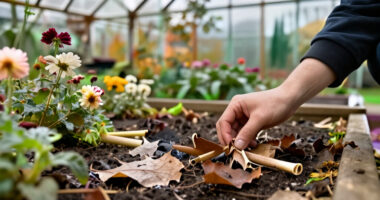
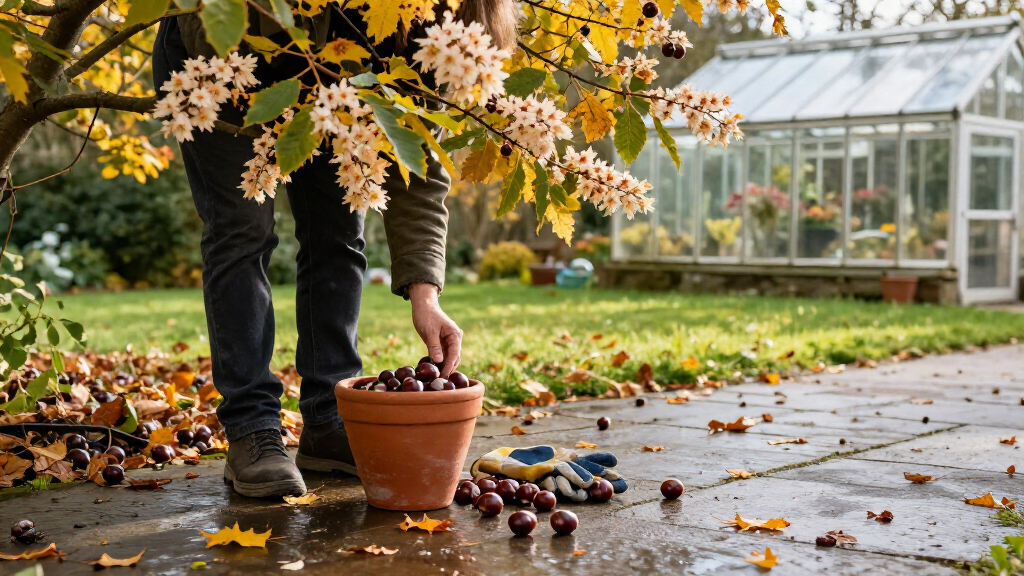
Lucie Bradley, gardens and greenhouse expert at Harvst, says conkers can provide the brown, carbon-rich material in a compost heap, helping balance green additions such as grass clippings and kitchen scraps. Because they break down slowly, Bradley recommends chopping or crushing them first. She says they release trace minerals as they decompose, but advises using the resulting compost for ornamental plants rather than vegetables because conkers contain aesculin, described in the source as a mild toxin.
Luke Newnes, a gardening expert with Hillarys, suggests placing conkers in wildlife-friendly areas alongside logs, leaves and twigs to create shelter for insects and other small garden creatures. He cautions that they should not be left where pets or livestock might eat them. Newnes also recommends using conkers in outdoor displays with fallen leaves, pinecones and pumpkins, or threading them onto string for seasonal garlands.
Bradley says fresh conkers release triterpenoid saponin as they dry, producing a pungent smell that may deter moths from cupboards or drawers. She rejects the idea that conkers repel spiders, saying it has no scientific basis. Saponins can also produce a lather when mixed with water; Bradley says a conker-based mixture can be used for handwashing and to clean tools or some garden furniture. The source gives no preparation instructions or evidence comparing its cleaning performance with commercial products.
A Second Use for Autumn Conkers
The advice gives households with collected or fallen conkers several ways to put them to use instead of discarding them. Some suggestions, such as seasonal displays and wildlife shelter, rely on using the seeds alongside other natural materials. Others involve specific cautions: conkers break down slowly in compost, the source advises against using that compost for vegetables, and pets and livestock should not be able to eat them.
The distinction between the spider claim and the moth suggestion may also help readers assess familiar household advice. Bradley says spider deterrence is unsupported, while describing a potential role for drying conkers in deterring moths. The source does not present test results or quantify the effect, so the moth advice remains an expert recommendation rather than a measured guarantee.
From Collecting to Reuse
Conkers are the seeds of the horse chestnut tree and are commonly collected in autumn, including for a traditional children’s game. The Ideal Home report places the reuse ideas within a broader interest in sustainable gardening, but does not cite trend data or offer a dated timeline for that trend.
The five suggested uses span composting, habitat creation, pest deterrence, decoration and cleaning. The recommendations come from Bradley and Newnes as quoted in the report; the supplied material does not include independent studies, product tests or detailed instructions for preparing compost or cleaning mixtures.
“Conkers take a long time to break down and … are best chopped or crushed before adding them so they will break down faster.”
— Lucie Bradley, gardens and greenhouse expert at Harvst
Limits of the Conker Advice
The supplied report does not specify how many conkers to use, how to make a conker cleaning mixture, or how long any pest-deterrent effect might last. It offers no independent test data on whether dried conkers deter moths in practice or how effective a homemade cleaner is on particular surfaces. The warning about aesculin is described as mild, but the source does not provide a dose or exposure assessment; it does advise keeping conkers away from pets and livestock.
Practical Steps for This Autumn
Readers can sort collected conkers by intended use: crush some before adding them to an ornamental compost heap, place others in a wildlife corner with logs and leaves, or use them in displays and crafts. For any use around animals, follow the source’s warning and keep the seeds out of reach. Anyone considering the cleaning or moth suggestions should treat them as expert tips rather than guaranteed results, since the report provides no tests or detailed preparation guidance.
Key Questions
Can conkers go in compost?
Yes. Bradley says they can add brown material to compost, but recommends chopping or crushing them because they break down slowly. The report advises using compost containing conkers for ornamental plants rather than vegetables because the seeds contain aesculin, described as a mild toxin.
Do conkers keep spiders away?
Bradley says there is no scientific basis for the claim that conkers deter spiders.
Can conkers be used to deter moths?
Bradley says drying conkers release a pungent scent from triterpenoid saponin that may deter moths from cupboards or drawers. The report provides no test results or measure of how effective the method is.
Are conkers safe around pets?
The report cautions against leaving conkers where pets or livestock may eat them. It describes the seeds as containing a mild toxin but does not provide an exposure threshold.
What else can conkers be used for?
Newnes suggests adding them to autumn displays or threading them into garlands. Bradley says their saponins can form a lather in water for a homemade cleaner, though the source gives no recipe or comparative performance data.
Source: rss
Halloween Picks
halloween
As an affiliate, we earn on qualifying purchases.