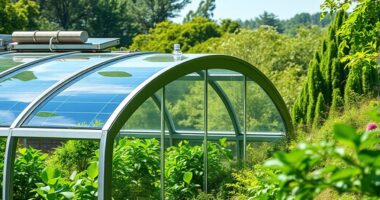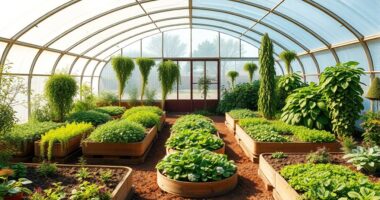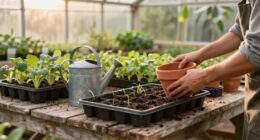
Growing your own produce in a greenhouse can drastically cut your grocery bills by providing fresh, organic vegetables and fruits right at home. You’ll save money on store trips, packaging, and chemicals by using pest-resistant varieties and organic pest control methods. Proper setup, maintenance, and pest management are key to maximizing your harvest and keeping costs low. Stick around, and you’ll discover simple tips to build, manage, and troubleshoot your greenhouse for even greater savings.

Get garden gear delivered free with Prime
- Fast, free delivery on millions of items
- Prime Video, Amazon Music and more included
- Member-only deals all year
Key Takeaways
- Growing your own produce reduces grocery costs by eliminating store-bought and transportation expenses.
- Practicing crop rotation and soil health improves yields, minimizing the need for chemical treatments and added costs.
- Using organic pest control methods like neem oil lowers pest management expenses.
- Harvesting only what you need prevents waste and keeps produce fresher, saving money.
- Building an affordable greenhouse with reclaimed materials keeps setup costs low and extends growing seasons.
Products Worth Considering

EAGLE PEAK 8 × 6 ft Walk-In Pop-Up Greenhouse, Green and White

Yardenaler 6 x 10 ft Wooden Walk-In Greenhouse with 6 mm Polycarbonate Panels

HOOYEAH 6 x 6 ft Walk-In Polycarbonate Greenhouse
As an affiliate, we earn on qualifying purchases.
How Growing Your Own Produce Can Save You Money
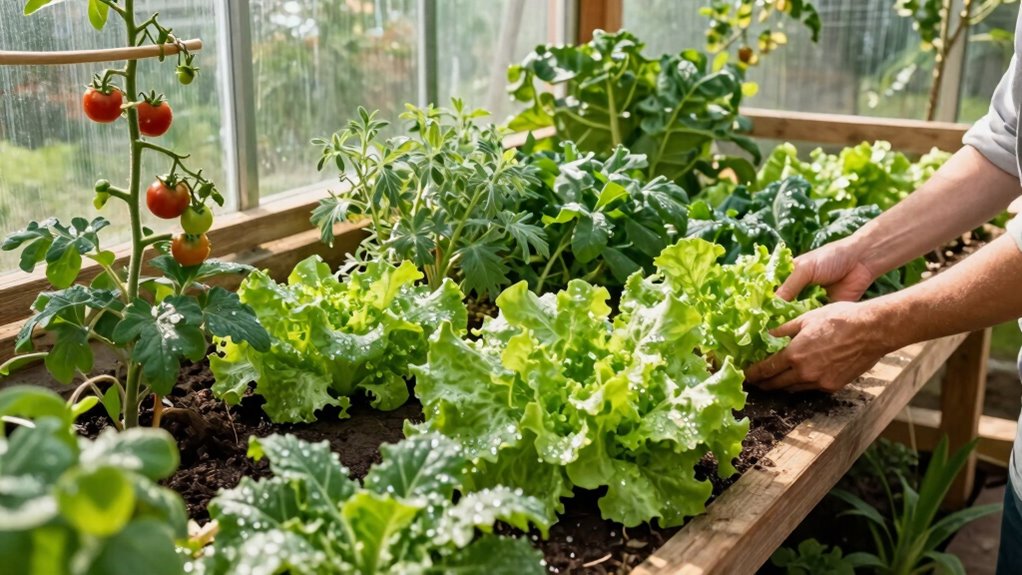
Growing your own produce can substantially cut down your grocery bills. Urban farming makes it easier than ever to grow vegetables and fruits right in your backyard or balcony. By cultivating your own crops, you eliminate the costs of store-bought produce, which often come with added transportation and packaging fees. Plus, practicing organic pest control methods keeps your plants healthy without expensive chemicals, saving you money and reducing exposure to harmful substances. Growing your own food also means you can harvest only what you need, preventing waste and ensuring maximum freshness. Softball Weekly emphasizes the importance of community and sustainable practices, which can also inspire you to adopt eco-friendly gardening habits. Over time, this habit can considerably lower your monthly expenses, while giving you access to fresh, organic produce whenever you want. Incorporating urban agriculture techniques can further enhance your harvest and reduce reliance on commercial sources. Developing sustainable gardening methods can help improve soil health and increase crop yields, making your efforts even more cost-effective. Additionally, utilizing companion planting strategies can naturally repel pests and boost plant growth, further reducing the need for costly interventions. Furthermore, integrating sound healing science principles into your gardening routine, such as using specific frequencies to promote plant growth, could potentially enhance your harvests.
Choosing the Best Vegetables and Fruits for Small Greenhouses

Choosing the right vegetables and fruits for your small greenhouse is vital to maximize space and yield. Focus on plants that thrive in confined environments, like cherry tomatoes, lettuce, peppers, strawberries, and herbs. To guarantee good fruit set, learn pollination techniques such as hand pollination or installing small fans for better airflow. Proper pollination boosts crop quality and quantity. Pest control is also essential; select pest-resistant varieties and keep your greenhouse clean to prevent infestations. Regularly inspect plants, remove affected leaves, and use organic methods like neem oil when necessary. Additionally, selecting trustworthy plant varieties can help ensure healthy growth and reduce the risk of disease. Understanding the importance of contrast ratio in projectors can also contribute to creating an optimal environment by controlling lighting and reflection, which is crucial for healthy plant growth. Maintaining appropriate light levels and airflow can significantly improve plant health and productivity. Incorporating techniques rooted in Stoic wisdom, such as patience and mindfulness, can help you stay focused and resilient through the challenges of greenhouse gardening. To enhance your greenhouse setup, consider optimizing environmental controls, which can improve overall plant health and yield. By choosing adaptable vegetables and fruits and implementing effective pollination and pest control techniques, you’ll optimize your greenhouse’s productivity and enjoy fresh produce more often.
How to Set Up an Affordable Greenhouse at Home

Ever wondered how you can create a functional greenhouse without breaking the bank? Start with simple, cost-effective materials like reclaimed wood, plastic sheeting, or old windows. Focus on greenhouse aesthetics by arranging plants and structures thoughtfully to maximize space and appeal. To keep costs low, consider these tips:
- Use DIY composting techniques to enrich your soil naturally
- Opt for inexpensive, transparent covers for better sunlight exposure
- Build a basic frame with recycled or inexpensive materials
- Add ventilation with simple, homemade exhausts or vents
- Incorporate DIY shelving to optimize space and organization
- Remember to integrate smart design principles with fellow enthusiasts or local communities to share ideas and resources. Incorporating knowledge about firewood handling can also help you efficiently manage heating needs, reducing costs further during colder months.
Tips to Maintain Your Greenhouse and Maximize Your Harvest

Maintaining your greenhouse effectively is key to ensuring a healthy, productive environment for your plants. Regularly inspect your plants for signs of plant disease, and act quickly to prevent spread. Keep the environment clean by removing dead leaves and debris, which can harbor pests and diseases. Pest control is essential; use integrated methods like introducing beneficial insects, applying organic pesticides, and sealing entry points to keep pests at bay. Maintain proper ventilation to reduce humidity, which helps prevent mold and disease. Consistently water your plants at the base to avoid fungal issues. Rotate crops and practice companion planting to improve soil health and reduce pest problems. Staying vigilant and proactive maximizes your harvest while keeping your greenhouse cost-effective. Additionally, using portable oil radiators can help maintain optimal temperatures during colder months, ensuring your plants remain healthy and productive. Incorporating electric tools for tasks like soil testing and watering can further enhance efficiency and reduce manual effort. Proper environmental management also involves monitoring humidity levels to prevent mold and other moisture-related problems. Regularly checking and adjusting your climate controls can help sustain the ideal growing conditions throughout the year.
Troubleshooting Common Greenhouse Problems to Keep Costs Low

Greenhouse problems can quickly escalate if not addressed promptly, leading to increased costs and reduced yields. To troubleshoot effectively, focus on maintaining pest control and soil health. Regularly inspect plants for pests and take immediate action to prevent infestations. Use organic methods like neem oil or introducing beneficial insects. Prioritize soil health by rotating crops, adding compost, and avoiding soil compaction. Additionally, ensuring proper appliance maintenance can help prevent unexpected issues that may affect environmental controls in your greenhouse. Proper climate management is essential for maintaining optimal conditions and preventing costly problems. Monitoring humidity and temperature, as well as using climate control systems, can help prevent mold and pests. Implementing preventative measures such as regular cleaning and inspection can further reduce the risk of widespread issues. Regularly checking environmental conditions ensures early detection of potential problems, saving both money and effort. Consider these strategies: – Monitor humidity and temperature to prevent mold and pests – Use sticky traps for early pest detection – Amend soil with organic matter to boost fertility – Remove diseased plants immediately – Maintain proper ventilation for airflow and disease prevention Quick, targeted responses help keep costs low while ensuring healthy growth and high yields.
Frequently Asked Questions
How Much Initial Investment Is Needed for a Small Home Greenhouse?
You can start a small home greenhouse with an initial investment of around $200 to $500. This budget covers essentials like seed starting trays, heating mats, and pest control supplies. You’ll need to factor in costs for a sturdy frame and proper ventilation, which help protect your plants and reduce pest issues. With careful planning, you can create an efficient greenhouse that saves you money on groceries and promotes healthy growth.
What Are the Best Plants for Year-Round Greenhouse Growing?
A stitch in time guarantees nine, so choose plants that thrive year-round in your greenhouse. Tomatoes, herbs, lettuce, and peppers are excellent, especially when paired with companion planting to boost growth and deter pests naturally. Consider greenhouses for growing strawberries and citrus in winter. Regular pest management ensures healthy plants. By selecting hardy, versatile crops, you get fresh produce year-round, maximizing your greenhouse’s potential and keeping your grocery bills in check.
How Often Should I Water and Fertilize Greenhouse Plants?
You should water your greenhouse plants when the top inch of soil feels dry, typically every 2-3 days, but adjust based on plant needs and environment. For fertilization tips, use a balanced, water-soluble fertilizer every 2-4 weeks during active growth. Keep an eye on plant health, and avoid overwatering or over-fertilizing, which can cause stress. Regular monitoring helps maintain a healthy greenhouse and saves you money.
Can a Greenhouse Help Reduce Grocery Costs in Winter?
Yes, a greenhouse can help you reduce winter grocery costs through indoor gardening and seasonal harvesting. By growing your own vegetables and herbs year-round, you cut down on store-bought produce. It’s a smart way to stay stocked with fresh, healthy foods during colder months. Plus, you enjoy the satisfaction of harvesting your own crops, making winter grocery shopping less necessary and more budget-friendly.
What Are Eco-Friendly Materials for Building a Greenhouse?
You should consider eco-friendly materials like sustainable insulation and recycled framing for building your greenhouse. Sustainable insulation, made from natural or recycled materials, keeps your greenhouse warm efficiently without harming the environment. Recycled framing uses reclaimed wood or metal, reducing waste and lowering your carbon footprint. These choices make your greenhouse more eco-conscious, durable, and cost-effective, helping you grow healthy plants while protecting the planet.
Conclusion
By growing your own produce, you not only slash grocery bills but also enjoy fresher, tastier food. While some might worry about upfront costs, starting small with an affordable greenhouse makes it manageable and rewarding. Remember, patience and proper maintenance are key to maximizing your harvest and savings. With a bit of effort, you’ll find that this green habit becomes a sustainable, cost-effective way to enjoy healthy, homegrown produce year-round.